
How to Use a Lemon Vibrator for Pleasure After Thyroid Surgery
Thyroid surgery disrupts energy, sensation, and body confidence. Here's how a lemon clitoral vibrator helps you reclaim pleasure during recovery.
Read more 7 min read
The Lem Guide
Honest advice from sexologists and educators on clitoral vibrators, sexual wellness, and self-discovery. Deeper insights, better answers.
Thyroid surgery disrupts energy, sensation, and body confidence. Here's how a lemon clitoral vibrator helps you reclaim pleasure during recovery.

Whether it's been six months or six years, your body remembers how to feel good. Here's how to ease back in without pressure, shame, or expectations.
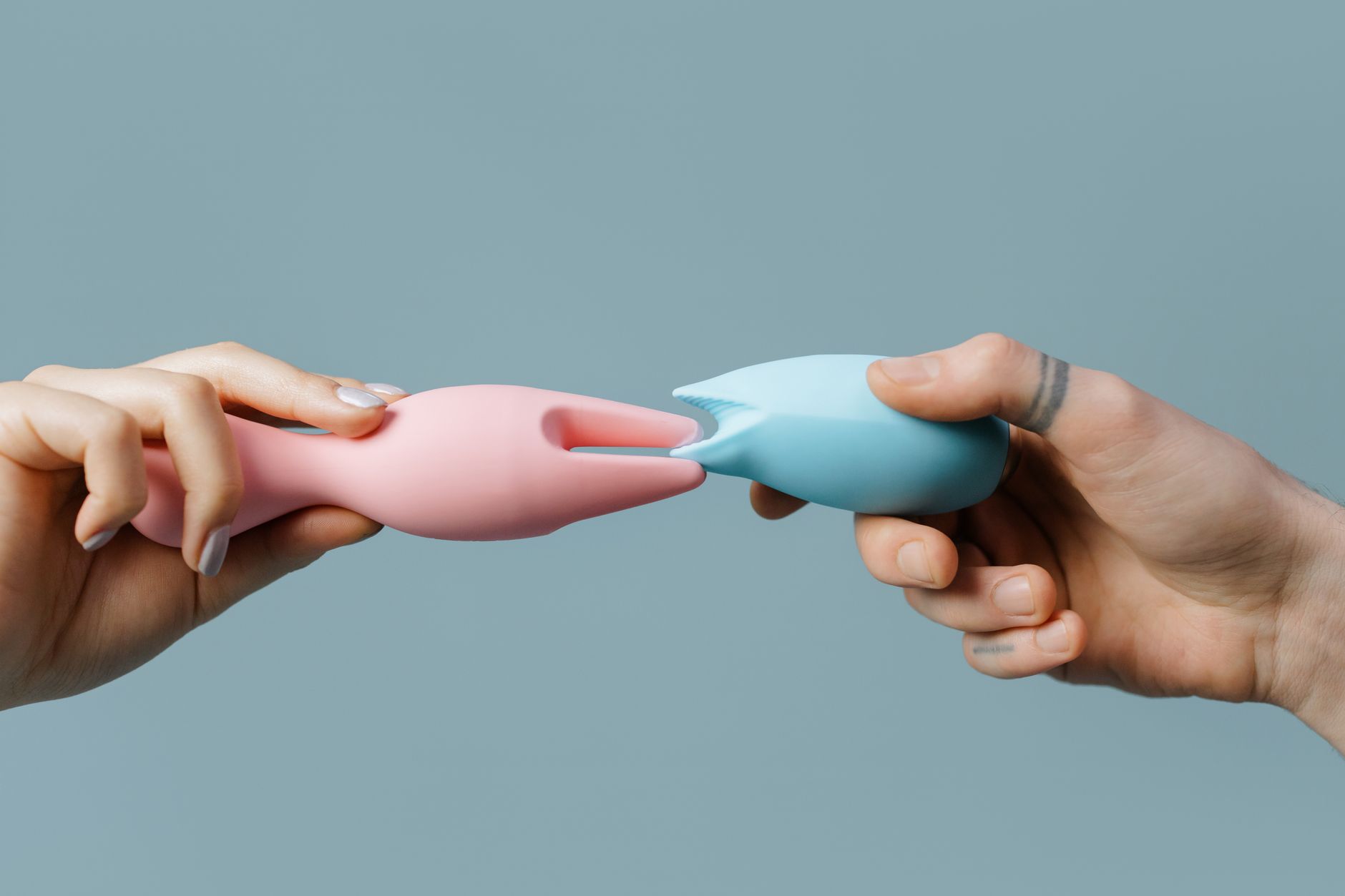
One partner's ready in five minutes. The other needs twenty. Here's how a lemon clitoral vibrator becomes the bridge between you.

Time apart changes how bodies respond to touch. Here's how to reconnect physically when emotional trust is still being rebuilt.

SSRIs, birth control, and blood pressure meds are lifesavers. They're also notorious libido killers. Here's how to work with your body instead of against it.
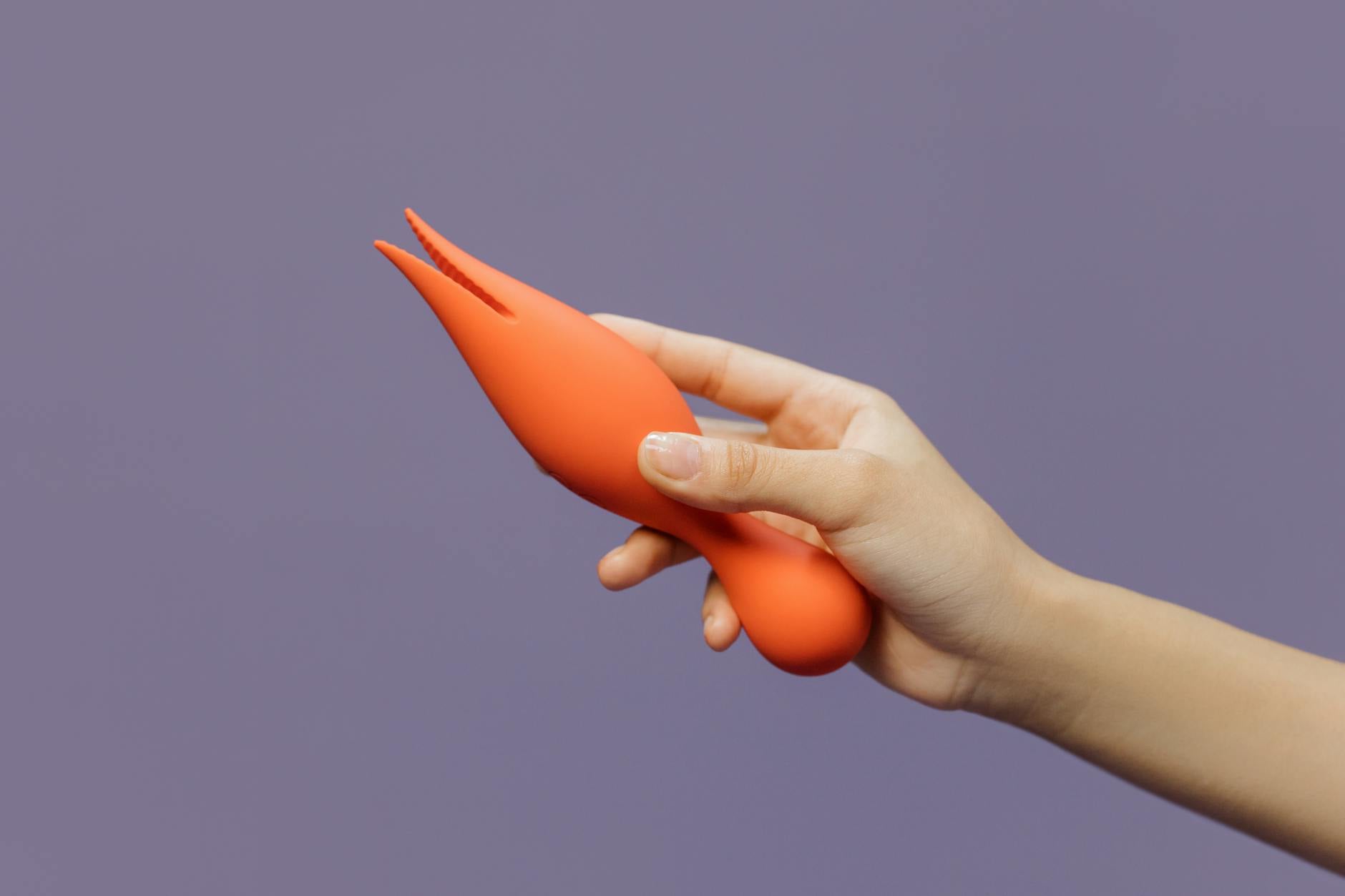
Months or years apart rewires your nervous system. Here's how to rebuild physical intimacy without the awkwardness or pressure.
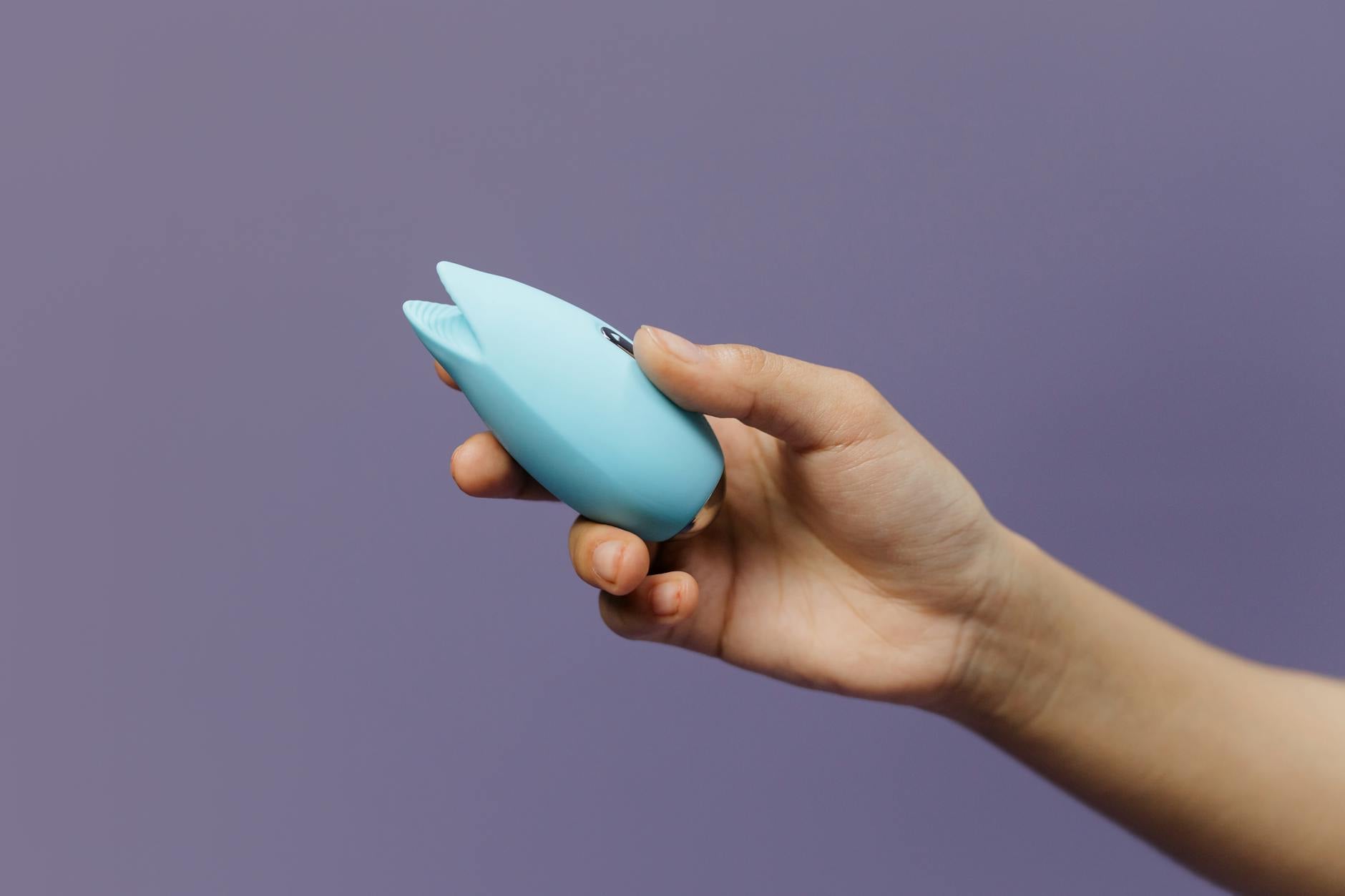
Solo pleasure is not selfish. Here's what actually happens when you prioritize your own orgasms, and how a lemon clitoral vibrator makes that easier.
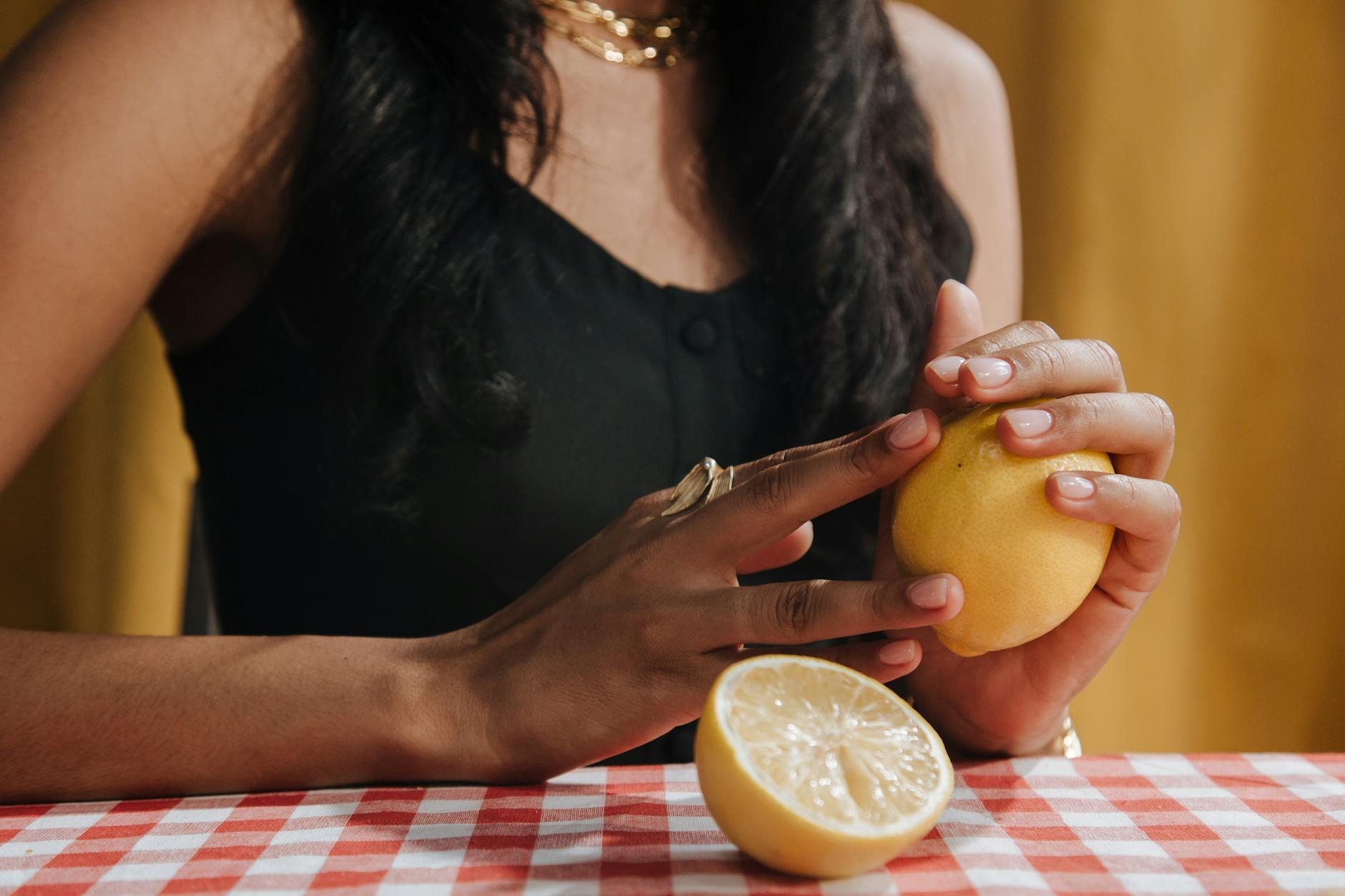
The material science and design philosophy behind why certain clitoral vibrators feel gentler. Everything you need to know about skin-safe toys and what actually matters.
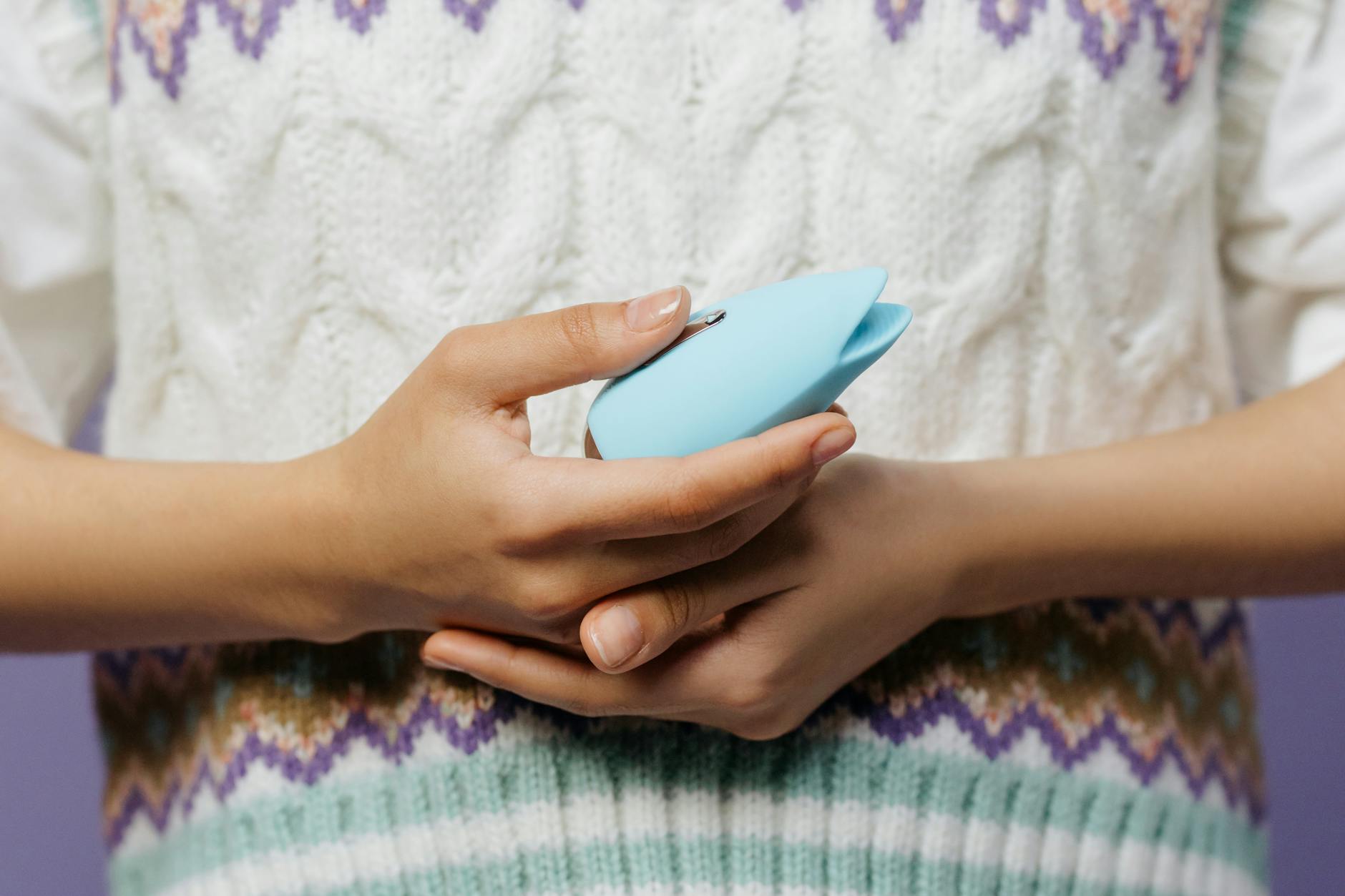
When trust breaks, desire breaks too. Here's how reintroducing pleasure together can help a couple remember why they chose each other in the first place.

Your partner worries a vibrator means they're not enough. Here's how to reframe the conversation, build trust, and explore pleasure together.

When intimacy becomes transactional, a clitoral vibrator like the Lem can reclaim the slow, attentive touch that deepens both pleasure and emotional connection.

Introducing a clitoral vibrator into partnered sex doesn't threaten the relationship. Done right, it's the opposite. Here's how couples actually do it.