Here's what nobody tells you about reconnecting
After months or years apart, your body doesn't just pick up where it left off. The nervous system recalibrates. Touch that once felt automatic now triggers questions. Am I still attracted? Will this feel good? What if it's awkward? That gap between partners isn't just physical. It's neurological.
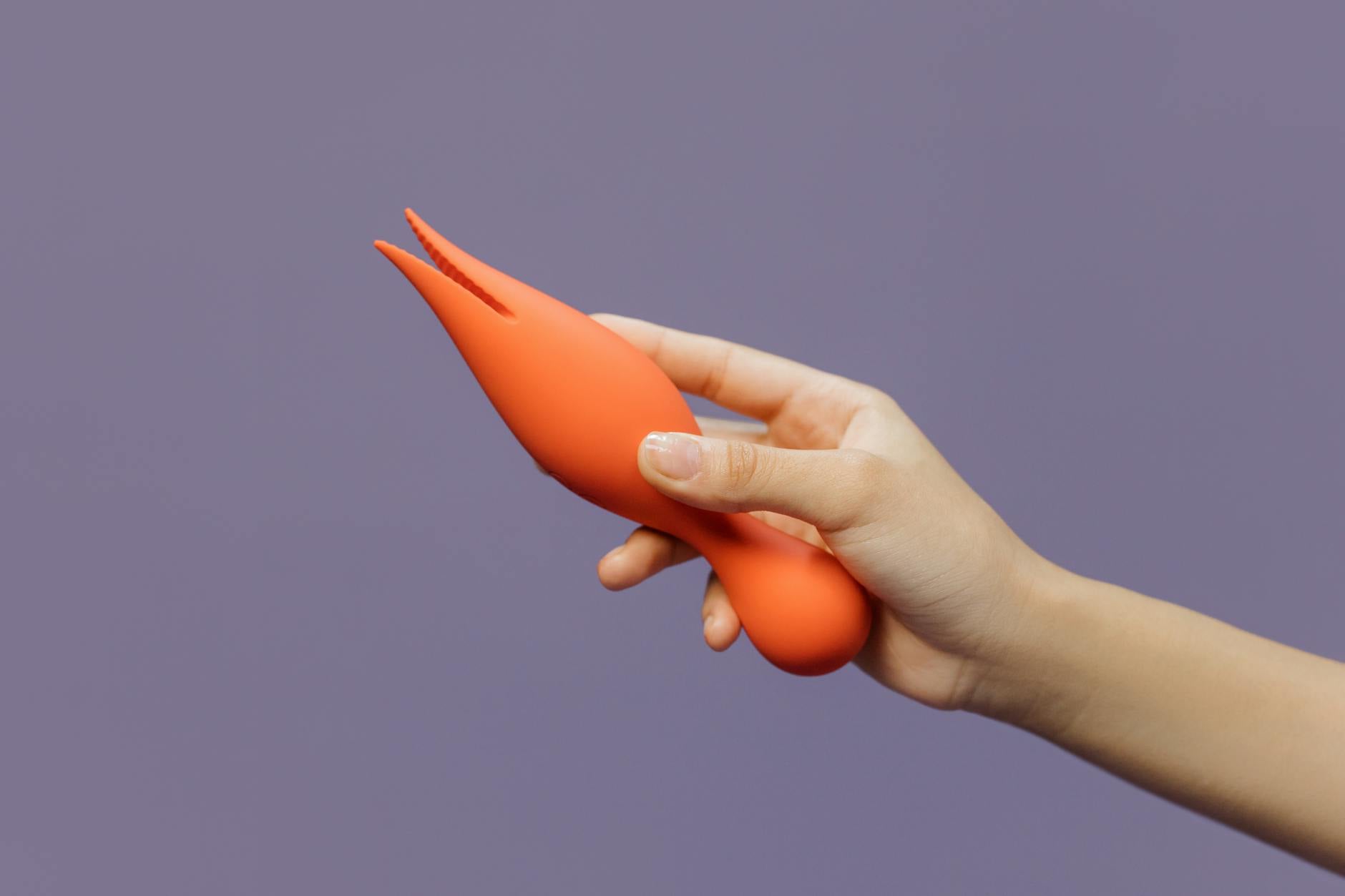
The good news is that a tool like the lemon clitoral vibrator can actually bridge that gap faster than willpower or conversation alone. Not because it's magic, but because it removes the pressure and restarts sensation in a non-threatening way.
Why separation rewires your body's response
When you're not having physical contact with a partner for an extended period, three things happen simultaneously. First, your nervous system downregulates arousal. Your body stops priming itself for intimacy because there's no cue that intimacy is coming. Second, the anticipation circuitry in your brain goes quiet. You're not building micro-moments of desire throughout the day. Third, you develop what I call "touch hesitation." That's the mental friction where you're unsure if contact will feel good or awkward.
Add to that the emotional weight of reconnection. You're carrying hope, maybe some resentment, possibly anxiety about whether you still fit together. That's a lot of mental noise when you're trying to focus on sensation.
The lemon clitoral vibrator bypasses all of that because it's external stimulation that you can control entirely. It doesn't require coordination with a partner. It doesn't demand vulnerability right away. It just turns sensation back on.
The phased approach to rebuilding intimacy
I recommend three phases when you're reconnecting after extended separation.
Phase One: Solo rediscovery (week one). This is just you and the clitoral vibrator, no partner present. Your job is to wake up your own nervous system. Spend 15-20 minutes exploring what patterns feel good right now. Your body has changed. Your preferences might have shifted. This phase isn't about orgasm. It's about remembering that pleasure is accessible to you. A lemon clitoral vibrator is ideal here because the suction pattern doesn't require the same mental effort as other devices. You can start at pattern one and let sensation build gradually.
Phase Two: Parallel play (week two). Now your partner is present, but you're both exploring solo. You're in the same room, maybe the same bed, but you're each using your own hands or your own tools. This removes the performance pressure. You're not being watched or evaluated. You're just reconnecting with your body while your partner does the same. This is where a lemon vibrator for couples play becomes powerful. Seeing your partner experience pleasure without expectation or judgment softens the nervous system. Desire follows naturally.
Phase Three: Integration (week three onwards). Now the vibrator becomes part of partnered touch. Maybe your partner uses it on you. Maybe you use it while they're touching you elsewhere. Maybe it's just present, a reminder that you're both prioritizing sensation again. The key is that it's not a replacement for connection. It's an accelerant.
How to actually introduce it without awkwardness
Let's get practical. You can't just appear with a lemon sexual toy and expect smooth sailing. Here's how to frame it.
Pick a moment that's not about sex. A conversation over coffee, a walk, doesn't matter. The vibe is information sharing, not proposition. You might say something like, "I've been thinking about how we can ease back into physical stuff without it feeling like we have to perform for each other. I found this tool that I want to try solo first, and I thought you might want to do the same. No pressure, no expectations. Just exploring what feels good right now."
That does three things at once. First, it normalizes the tool. Second, it removes the implication that your current sex life is broken. Third, it invites your partner into a shared project of reconnection rather than demanding that they participate.
Most partners respond well to this because it takes the pressure off them too. They don't have to "perform" or "fix" the intimacy immediately. You're both just exploring.
The technical side: using a lemon clitoral vibrator after time apart
Your body's sensitivity changes. If you've been separated for months or longer, you might find that you're more sensitive to direct stimulation. This is normal. Your clitoris hasn't desensitized by touch. It's actually more alert.
Start with the lemon vibrator at pattern one or two. Let the suction build sensation gradually. You're not chasing orgasm right now. You're reestablishing the signal between your clitoris and your nervous system. That communication gets rusty after months of disuse.
Use water-based lubricant. Even if you've never needed it before, use it now. Extended separation sometimes affects natural lubrication because arousal isn't being triggered regularly. Adding lubricant is not a sign that something's wrong. It's a practical tool that helps sensation flow.
Budget 20-30 minutes, not five. Your arousal system needs time to ramp up after a gap. Rushing it teaches your body that sensation isn't safe to pursue. Slowing down sends the opposite message.
What to do if reconnection feels emotionally charged
Sometimes the physical gap is just the surface. Underneath, there's anger about the separation, doubt about the relationship, or grief about the time lost. A tool like the lemon clitoral vibrator can sometimes bring those feelings to the surface, which is actually useful. Orgasm releases oxytocin, which softens emotional defenses. If you're crying during or after pleasure, that's not a sign to stop. That's your nervous system processing.
What matters is that you and your partner are talking about it afterwards. Not in the moment, not mid-touch, but in a conversation later. You might say, "That felt vulnerable." Your partner can respond with reassurance or their own processing. This is where the real reconnection happens. The vibrator is the entry point, not the solution.
When to bring your partner into solo use
Once you've spent a week or so using the lemon vibrator alone, inviting your partner to watch is the next natural step. This is genuinely vulnerable for most people. You're saying, "Here's what I need to feel good." That's powerful information.
Your partner doesn't have to do anything. They can simply be present. Many couples find that seeing their partner pleasure themselves removes shame and restarts desire. There's something about witnessing unguarded pleasure that reignites attraction.
If your partner wants to use the clitoral vibrator on you, that's phase three. But it shouldn't happen until you're both comfortable with how the device works. You can't hand a lemon sexual toy to someone and expect them to intuitively know the right intensity or pattern. Show them. Guide their hand. Make it collaborative.
The timeline is flexible, not fixed
I've given you a three-week framework, but reconnection isn't linear. Some couples move faster. Some need more time in phase one. The point isn't hitting a deadline. The point is building permission and safety back into your nervous systems.
If you find yourself stuck in any phase, that's information too. Stuck in phase one means you might be dealing with some solo pleasure shame. Stuck in phase two might mean you're not ready to be vulnerable in front of your partner yet. None of that is wrong. It just means you know what to work on next.
FAQ: Reconnection and clitoral vibrators
Q: Will using a vibrator make it harder to orgasm with my partner? A: No. The opposite tends to be true. When you're separated for a long time, your arousal system gets quiet. Using a clitoral vibrator wakes it back up. That increased sensitivity makes partnered sex more pleasurable, not less. The lemon vibrator is helping you remember that pleasure is possible, which actually makes you more available to your partner.
Q: What if my partner feels threatened by the vibrator? A: That's a real concern, and it deserves a conversation separate from the tool itself. You might say, "This isn't about replacing you. It's about me finding my way back to pleasure so I can be present with you." For deeper concerns, read about how to introduce a lemon vibrator when your partner feels threatened by toys.
Q: How long should solo play with the vibrator last? A: 15-25 minutes is ideal. That's long enough for your nervous system to fully relax and for arousal to build naturally. Shorter sessions can feel rushed. Much longer and you might be chasing sensation rather than experiencing it.
Q: Is it normal to need more time to orgasm after separation? A: Completely normal. Your body has downregulated arousal because there's been no consistent cue that intimacy is coming. Using the lemon clitoral vibrator regularly retrains that signal. Within a few weeks, you'll likely notice that orgasm comes more easily.
Q: What if we're different people now after the separation? A: You probably are. That's not a problem to solve. That's a reality to explore. The vibrator is a tool for rebuilding connection with the person your partner has become, not the person they were. Go slow. Pay attention. You might discover new things you both like.
Q: Can we use the clitoral vibrator if we're just starting to date again? A: Yes, but the timeline shifts. You're not rebuilding intimacy. You're building it for the first time. For guidance on that, check out how to use a lemon vibrator with a new partner for the first time.
The bottom line
Reconnection after extended separation is awkward. That's not a sign you've lost the spark. That's a sign you're rebuilding something that requires presence and patience. A tool like the lemon clitoral vibrator doesn't fix the emotional work. It just removes some of the physical friction so you can focus on the real work, which is learning each other again.
Your nervous system needs permission to want pleasure again. Your body needs proof that desire is safe. Your partner needs to know that reconnection is a shared project, not a performance. The vibrator helps with all three.