Here's the thing nobody talks about
Mismatched arousal is one of the top reasons couples stop having sex. Not because they don't want each other. Because one person is ready and the other is still warming up, and by the time the second person gets there, the first person has already checked out.
It's a timing problem wearing a desire problem's disguise.
Why arousal speeds don't match
Arousal isn't a single thing. It's a chain reaction in your brain, body, and nervous system. And it moves at wildly different speeds depending on your baseline stress, your hormone cycle, whether you've eaten lunch, how work went, and a thousand other variables.
Here's what's normal: one partner's body needs 5-10 minutes of stimulation to respond. The other partner's body needs 20-30. That's not incompatibility. That's biology. But when you're stuck in a linear progression toward sex, that gap feels like rejection.
Add in the shame. The faster partner waits and feels unwanted. The slower partner feels rushed and performs instead of relaxing. Everyone ends up frustrated.
Why a lemon clitoral vibrator changes this
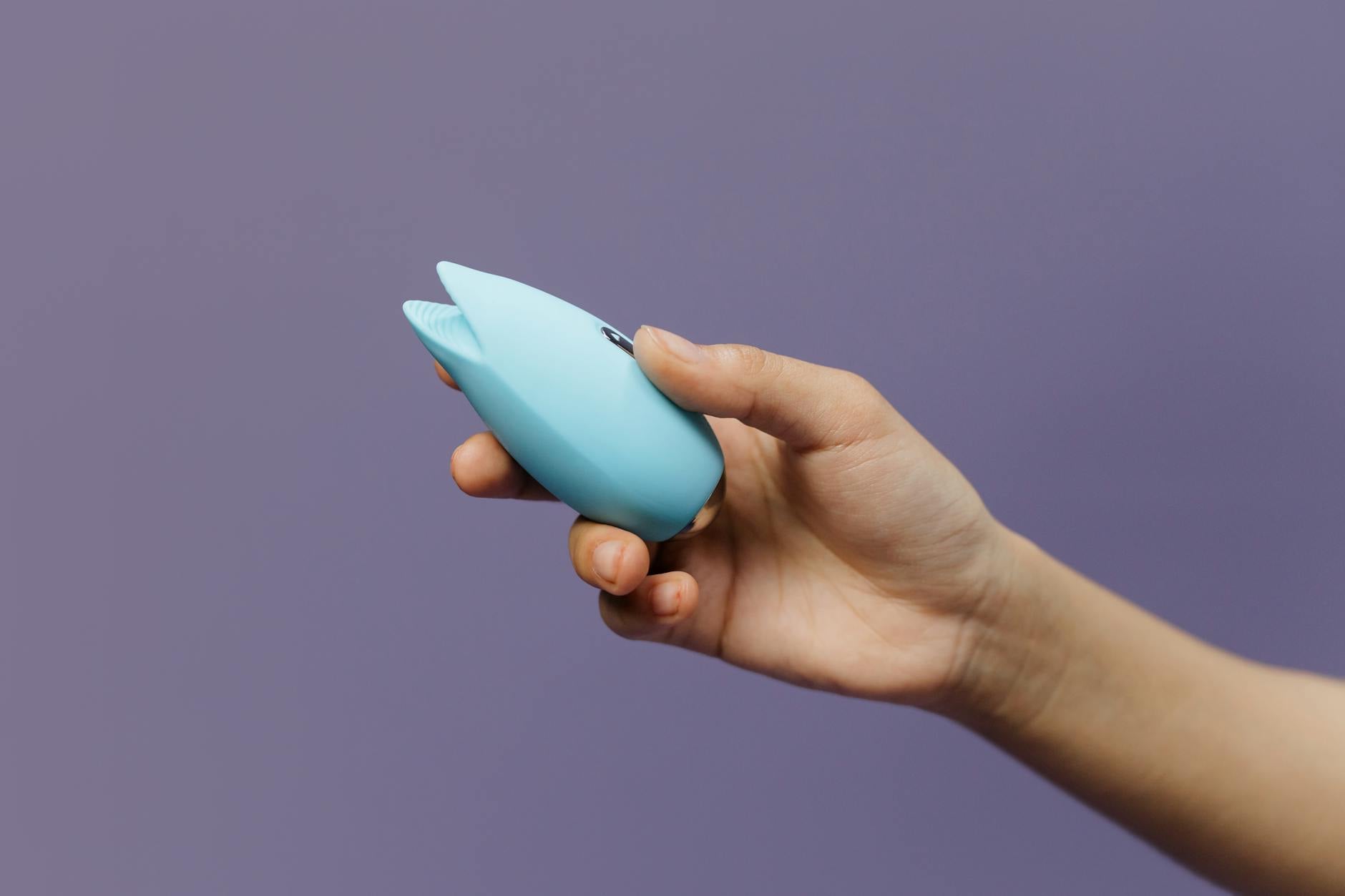
A lemon sucker like the Lem works because it does one thing: it delivers sustained, consistent stimulation. For the faster partner, it means they're not lying there bored while you're still getting started. For the slower partner, it removes the pressure to "catch up" because you're the one setting the pace.
But here's the real magic. A clitoral vibrator lets you both be engaged at the same time without forcing penetration before anyone's actually ready. You can spend 15 minutes on foreplay that actually feels like foreplay, not like runway time.
The conversation to have first
Before you bring a lemon vibrator into partnered play, you need one honest conversation. Not during sex. Not when you're already frustrated. Over coffee or a walk.
Ask your partner: "My arousal takes about X minutes. How long does yours usually take?" Listen without defensiveness. No "well, maybe if you were more attracted to me" or "maybe you're not relaxed enough." Just data.
Then say: "I want to try something that takes the pressure off both of us. I'm thinking we could use a vibrator together so we're not waiting around. Would you be open to that?"
If they say no, that's real information. Work with a couples therapist to understand why. If they say yes, you're moving into solution territory.
How to actually use it together
There are three basic choreographies, and your bodies will tell you which one works.
Setup One: Parallel stimulation. You use the lemon vibrator on yourself while your partner uses their hands or mouth on you elsewhere, or while you touch them. This takes the pressure off penetration as the end goal. Everyone's getting direct stimulation. It's foreplay that feels like foreplay, not rush-through time.
Start with patterns 1 or 2 on your Hello Nancy clitoral vibrator. You're building arousal gradually, not chasing the finish line. Your partner mirrors your energy. If you're slow, they're slow. If you speed up, they can follow.
Setup Two: One partner stimulates while the other gets warmed up. The faster partner uses the lemon sucker on the slower partner while that person is still lying back, not performing. No pressure to reciprocate yet. No expectation. Just receiving.
This solves a huge problem. The slower partner's nervous system can actually relax instead of being split between "I'm trying to get aroused" and "I need to look turned on so my partner feels wanted." The faster partner gets to do something active that's genuinely helping.
Setup Three: Take turns being the focus. Spend 10 minutes on one person's pleasure. Then switch. Use the vibrator, use hands, use mouth. The point is: we're both getting sustained attention, just not at the exact same time.
This works brilliantly for couples where one person's body takes longer to warm up. The slower partner knows they're getting their full window. The faster partner doesn't have to lie there getting soft while waiting. You're both active.
The pacing that actually works
Don't try to sync your orgasms. That's the old goal, and it's why you're both frustrated.
Instead, think in waves. First wave: you get your partner's arousal moving. That takes time. You're not trying to finish them. You're just building heat.
Second wave: once they're clearly responding (breathing deeper, moving, asking for more), you can start experimenting with intensity. But still no rush. You have time.
Third wave: when you both feel ready, you move into whatever comes next. Penetration, more intense stimulation, whatever your bodies want.
The lemon clitoral vibrator's role is to keep someone engaged during the early waves. It's not the main event. It's the thing that keeps boredom and disconnection from creeping in.
The communication that keeps it working
Use your words. Even during sex. Especially during sex.
"Does this feel good?" "Do you want more intensity?" "Should we speed up or are you still in warm-up mode?" These aren't mood killers. They're literally the only way to close the gap between what you think is happening and what's actually happening.
One partner might think they're being patient. The other might feel abandoned. One partner might think they're moving fast. The other might feel pressured. Words cut through that.
If your partner says they need more time, that's not a rejection. It's data. Honor it. Put on some music, pour some water, keep your hands moving, and actually enjoy the build instead of white-knuckling toward an orgasm.

Photo by cottonbro studio on Pexels
What to do if one partner gets tired
This happens. One person's arm gets tired holding the vibrator. One person's focus drifts. This is normal.
Take a break. It's not failure. You're not broken. You're just human and sometimes bodies need rest.
If this happens often, consider whether you're building arousal with actually compatible timing, or whether one of you is still performing. Those are different problems with different solutions.
Performance anxiety or feeling pressured to finish is a separate issue worth addressing separately. Using a lemon vibrator when you have sexual performance anxiety is a whole conversation on its own.
When arousal mismatches point to bigger issues
Sometimes the problem isn't speed. It's that one partner has lost desire for the other.
If your partner takes 45 minutes to get aroused only with you, but they tell you they get turned on instantly watching porn, that's not a timing issue. That's an attraction or connection issue, and a vibrator can't fix that.
Same if one partner is consistently avoiding sex or only tolerating it. A lemon sucker is a beautiful tool. It's not a relationship repair kit.
If you suspect the mismatch is masking something deeper, talk to a couples therapist. That's actually what I'm trained for, and it helps.
But if you're both interested and just moving at different speeds? A clitoral vibrator, honesty, and patience will transform how you experience sex together.
FAQ: Partners With Different Arousal Speeds
Can we use a lemon vibrator on me if I'm the faster partner?
Absolutely. While your partner is warming up, use a Hello Nancy clitoral vibrator on yourself at a lower intensity. You stay engaged and aroused without that anxious "am I going soft" feeling. Once they're ready, you can hand off the vibrator, keep using it together, or switch to something else. The point is you're both active.
What if my partner thinks using a vibrator means they're not enough?
This is the real conversation. A lemon clitoral vibrator isn't a replacement for your partner. It's a tool that lets you both be present longer. It's like using lube because vaginal dryness exists, not because your partner doesn't turn you on. Frame it as "I want us to spend more time together without pressure," not "I need this because you're slow." Those are wildly different messages.
How long should we actually spend on foreplay if we have different speeds?
There's no right answer, but I usually suggest: take the slower partner's timeline and add five minutes. If they need 20 minutes, plan for 25. You're building arousal, not racing. Quality beats speed every single time. If you're consistently frustrated that foreplay takes "too long," examine whether you actually want to be there or whether you're just trying to get sex over with.
Does this work if one of us has low desire overall?
A vibrator helps with mismatched speeds, not with low desire. If one partner has genuinely lost interest in sex, that's a separate issue that usually needs professional support. But if you both want sex and you're just syncing timing, yes. This helps a lot.
What if using a lemon vibrator together makes me self-conscious?
That's so normal. You're adding an object to something that's felt private and intimate. Start slow. Maybe the first time, just use it on yourself while your partner watches. Next time, they touch you while you use it. Build into partnered use gradually. Your nervous system needs permission to relax, and that takes time.
How do I bring this up without making my partner feel bad about taking longer to get aroused?
Lead with curiosity, not criticism. "I've been thinking about our sex life and I wonder if we could try something that gives us both more time to enjoy each other. Would you be open to exploring that together?" Make it a team project, not a fix for their body. You're solving a problem together, not fixing them.