Here's the thing nobody tells you
Introducing a lemon vibrator or any clitoral vibrator into your relationship isn't about your partner failing you. It's about expanding what pleasure looks like for both of you. But that's not how it feels when you're lying in bed at 11 p.m. trying to figure out how to even start the conversation.
I've worked with hundreds of couples navigating this exact moment. The anxiety is always the same: What if they think I'm not satisfied? What if they feel replaced? What if it gets weird? Here's what actually happens when you do it right.
The fear underneath the fear
Most people don't worry about the vibrator itself. They worry about what it means. For partners who penetrate, there's often a buried belief that toys are a commentary on their performance. For partners who are penetrated, there's sometimes shame about wanting something different. Neither of these things is true, but they're real feelings.
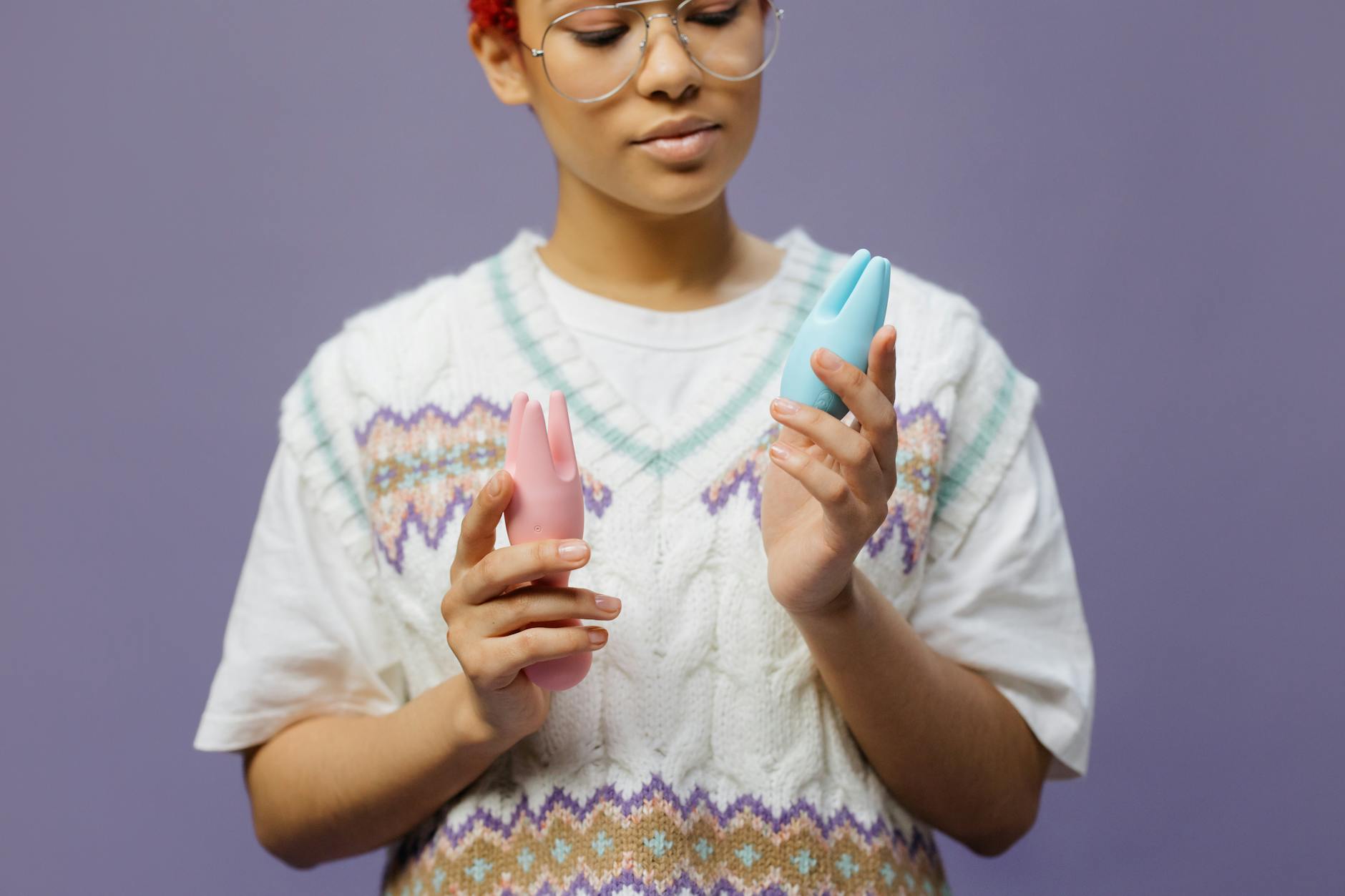
What I tell couples: a lemon vibrator isn't a replacement. It's an addition. The Lem, for instance, uses suction technology rather than traditional vibration, which targets nerve endings in a completely different way than a partner can. You're not comparing two ways to do the same thing. You're opening a door to a sensation that doesn't exist without it.

Photo by Diana ✨ on Pexels
When to bring it up (and when not to)
Timing matters wildly. Don't introduce this in the middle of sex or immediately after. Don't do it when you're both stressed or distracted. Don't do it as a criticism wrapped in a toy.
Do it during a calm moment, ideally when you're already talking about something that connects to pleasure or intimacy. You might be watching something that mentions it, or you're having coffee on a Sunday morning and the conversation turns toward what you both want. That's your opening.
The best approach: start with curiosity, not demand. "I've been reading about lemon clitoral vibrators, and I'm kind of interested in trying one. Would you want to explore that together?" This frames it as something you want to experience, not something you need because what you have isn't working.
The conversation starters that actually work
These phrases come from real couples who made this transition successfully:
"I've been thinking about ways we could both have more fun. I found this thing that I'd like to try with you." You're naming pleasure as a shared goal, not a solo project.
"I read that people use these to explore different sensations. I'm curious what it would feel like." This is about exploration, not performance.
"I want you to see me experience this. Would you be interested in that?" This invites them in. It's intimate, not isolating.
"My body's changed, and I want to find out what feels good now. Want to help?" This is especially powerful if you're navigating changes like those that come after 40 or 60. It's honest, and it asks for partnership.
What doesn't work: comparisons, criticism, ultimatums, or shame. "Other people use vibrators" is not an opening. "You're not enough" is a door-closer. "I need this to finish" can land wrong if you haven't built context first.
How to handle the reactions you might get
Some partners will light up immediately. Others will need time. Here's how to navigate the most common responses.
"Won't I be replaced?" Listen to this without defending yourself. Then: "No. You're part of this. I want to explore this with you, not instead of you. There's nothing you do that this does, and nothing this does that you do." Then show them. Some couples find that watching or holding the toy makes it feel less threatening and more intimate.
"I don't understand why you need it." This is usually fear, not confusion. Reframe: "I don't need it to want you. I want it to know myself better. And I want to share that with you." Then follow through. If you're using a clitoral vibrator like a Lem during partnered sex, they'll see pretty quickly how it enhances rather than replaces their involvement.
"I feel weird about this." Totally fair. Ask what would help. Do they need time? Do they want to research together? Do they want to be involved, or would they rather step back initially? People who feel heard on their hesitation usually come around faster than people who feel pressured.
"Let's try it." Great. Then move to the practical stuff. Talk about when, where, and what involvement means.
Making it actually happen
Once you've talked, the next hurdle is execution. This is where couples often stall.
Start small. You don't need a big production. You might use a clitoral vibrator solo first, in a private moment, so you understand what you're asking them to witness or participate in. Then suggest trying it together. "I'd like to use this when we're together next time. Would you want to be involved, or would you rather just be present?"
Some partners want to hold it. Some want to watch. Some want to use it on you. Some need a few tries before they're comfortable. All of this is normal.
If you've been with a partner for years, the first time using a lemon vibrator together can actually feel vulnerable in a good way. You're both discovering something new. That's connective, even if it feels awkward for the first minute. As I often tell couples, awkwardness is just intimacy without rhythm yet. It gets easier.
Why this conversation actually strengthens things
Here's what I've observed in my practice: couples who can talk about pleasure openly tend to communicate better about everything else. The conversation that feels impossible now becomes evidence that you can navigate uncomfortable things together.
Using a clitoral vibrator as a couple also redistributes the pressure. If you've been the one responsible for managing your own orgasm or faking satisfaction, suddenly you're not carrying that alone. Your partner gets to witness your genuine pleasure. That's powerful.
Consider reading one of our guides together, like how to use a lemon vibrator for maximum pleasure and comfort, so you're both learning at the same time. It removes the awkwardness of one person being the expert.
What if your partner says no
This is worth addressing directly. If your partner is a firm no, you have options. You can respect that boundary and explore on your own. You can revisit the conversation in a few months. You can ask what would make them more comfortable.
But here's what I want to say gently: if your partner refuses any expansion of your pleasure, that's information about your relationship. Not necessarily bad information. Just information. Sometimes it means they need education. Sometimes it means you have deeper communication work to do, and that work might benefit from a therapist. Sometimes it means you're mismatched on this particular need.
The goal isn't to force a partner into something. The goal is to build a relationship where both people's pleasure matters. Sometimes that takes time.
The part they don't talk about
Once you introduce a lemon vibrator to your partnership, something shifts. You've crossed a threshold from "we do this" to "we explore this together." That matters. Many couples tell me that introducing toys actually revived their sex life because it broke a pattern. You're not doing the same thing you always do. You're curious together.
That curiosity is what sustains long-term intimacy. Not novelty for its own sake, but the willingness to keep discovering what feels good, what's changed, what's possible. A lemon clitoral vibrator is just a tool. The real thing you're building is permission. Permission to want more. Permission to be honest. Permission to explore.
If you're stuck on how to move forward after the initial conversation, consider reaching out. Sometimes talking to a relationship specialist helps couples find language they've been missing.
FAQ: What partners actually ask
Q: Will my partner think I'm unhappy with them if I bring up vibrators?
Not if you frame it right. The difference between "I want to use a vibrator because you're not enough" and "I want to explore a different sensation and share that with you" is everything. The second statement is honest and inviting. Most partners who hear it clearly actually feel relief. They don't have to be everything. You get to expand. You both win.
Q: Is it normal to feel nervous about using a clitoral vibrator in front of a partner?
Completely. Vulnerability is the whole point, and vulnerability feels scary. The first time you use a lemon vibrator with someone watching, you might feel self-conscious. That usually dissolves within a minute once you're actually focused on the sensation. Your partner will probably be absorbed in watching you experience pleasure. That's not judgment. That's connection.
Q: What if they want to use it on me but I feel awkward being watched?
Tell them. "I'd love for you to be part of this, but I need a minute to adjust to being watched." Or start solo, get familiar with it, then invite them in once you're more comfortable. There's no rush. This is supposed to feel good, not perform.
Q: Can we use lemon sexual toys during partnered sex or just solo?
Both. Some couples use them during partnered sex for added stimulation. Some use them solo. Some use them together in different configurations. There's no one right way. Talk about what sounds good to both of you and go from there.
Q: My partner is nervous about penetration changing if I use vibrators regularly. Is that real?
No. Using a clitoral vibrator doesn't change vaginal tissue. The Lem and other lemon clitoral vibrators target the external clitoris, not the vagina. If your partner is worried about this, it's worth clarifying what you're actually doing. Usually the worry dissolves once they understand the mechanics.
Q: What if introducing toys makes things worse between us?
It shouldn't, if the conversation beforehand was good. But if it does, that's usually information that there's something else going on in your dynamic that needs attention. That's when working with a couples therapist can help you untangle what's actually bothering you both. Sometimes it's not about the toy at all.
One last thing
Introducing a lemon vibrator to your partnership is a choice to keep discovering each other. It's saying "I want to know what you like, I want you to know what I like, and I want us to keep exploring." That conversation might feel awkward for five minutes. The payoff is usually longer than that.
If you need more support navigating intimacy changes in your relationship, we're here. You can reach out at /contact to talk through what you're working with.
You deserve pleasure. So does your partner. And you both deserve a relationship where asking for what you want is possible.