Let's be real about what happens when health gets in the way
Illness doesn't pause intimacy. It transforms it. Whether your partner is recovering from surgery, managing chronic illness flare-ups, or rebuilding strength after hospitalization, the sexual side of your relationship suddenly sits in a strange territory. It's not gone, but it's not what it was either. And pretending everything is fine makes it worse, not better.
Here's what I see in my practice: couples avoid the topic entirely, assume they need to pause intimacy for months, or push too hard too fast and create new physical or emotional pain. None of those paths work. What does work is acknowledging that recovery changes things temporarily, then finding new ways to maintain connection that honor your partner's actual capacity.
That's where lemon vibrators come in. Not as a workaround or a substitute for "real" intimacy, but as a tool designed specifically for this kind of transition.
Why lemon vibrators matter during recovery
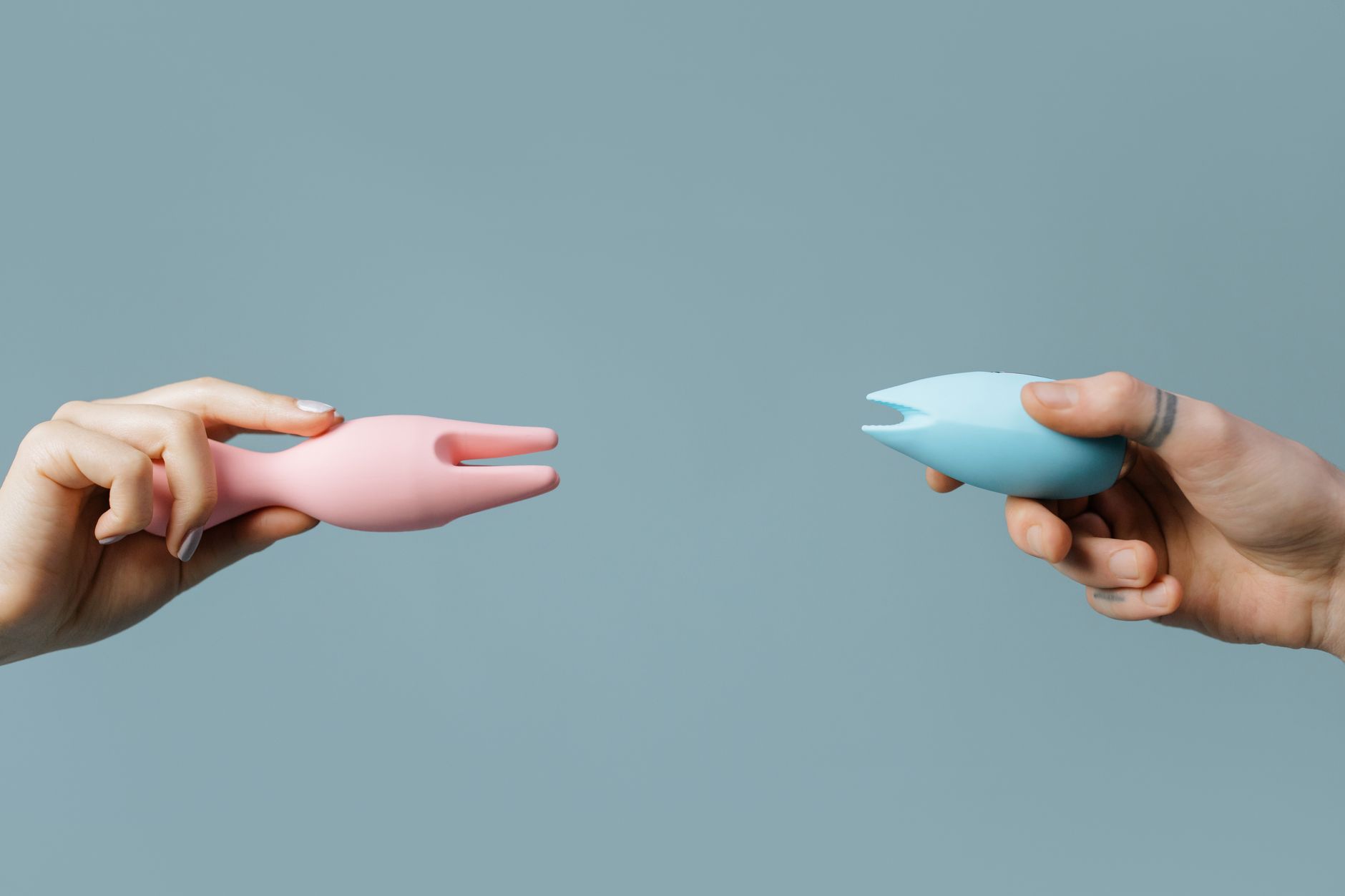
A lemon clitoral vibrator like those from Get Lem Official works with your partner's body rather than against it. Here's why that matters when recovery is involved.
First, suction-based stimulation requires almost no movement. If your partner is managing pain, limited mobility, or fatigue, they can lie completely still while experiencing pleasure. There's no thrusting, no friction, no positions that require strength they don't have yet. This is crucial. It means they can participate in pleasure without depleting their recovery.
Second, the sensation is concentrated and intense without being forceful. Recovery often comes with hypersensitivity or numbness depending on what they've experienced. Air-suction devices distribute sensation across the clitoris in a way that can help recalibrate sensitivity without overwhelming an already-stressed nervous system. Most partners report feeling more present and less distracted by pain when using a lem vibrator because the stimulation is so focused.
Third, the psychological permission matters. Using a device signals to both of you that this is still intimacy. It's not settling or making do. It's choosing to stay connected through change.
The conversation you actually need to have
Before you bring a lemon vibrator into the mix, there's a prerequisite. You need to talk about what recovery means for them, specifically.
Not "How are you feeling?" (too vague). Specifics: What physical sensations are uncomfortable? When is pain worst? Are certain times of day better than others? Is fatigue the limiting factor or pain itself? What do they miss about sex, and what are they relieved is on pause?
I ask my couples to do this away from the bedroom. Sit down over coffee, maybe even have it in writing first if that feels easier. The goal is to separate the practical information from the emotional vulnerability of the moment.
Then comes the harder part: asking your partner if they want to maintain intimacy during recovery, and in what form. Not all partners do. Some genuinely need time off. Respecting that is part of love. But many do want to stay connected, they're just afraid of disappointing you or causing themselves pain. That conversation opens the door to solutions like clitoral vibrators.
How to introduce lemon vibrators during recovery
Timing: Wait until your partner's pain is manageable and they've had medical clearance for any sexual activity. If they haven't, ask specifically about external stimulation. Most recovery protocols allow that before penetration.
Setting: Make it comfortable. If they're recovering from surgery, this might mean they're lying flat or propped up at a specific angle their body prefers. Don't try to recreate your pre-illness setup. Work with their body as it is now.
Approach: Frame it as exploration, not performance. "I found this lemon vibrator and I've read it's really gentle. Want to try it together and see how it feels?" This positions it as curiosity, not a solution to a problem. Less pressure that way.
Technique: Start on the lowest setting. Let your partner guide the pattern and intensity. If you're using it on them, ask what feels good before and after each change. Recovery heightens sensitivity to touch, both physically and emotionally. Communication during this phase isn't optional.
Pacing: One or two sessions per week while recovering is realistic. Not daily. Your partner's body needs recovery time from pleasure just like it needs recovery time from activity. That's normal.
What changes about your dynamic during recovery
One thing I emphasize: recovery rewires temporarily how you relate to pleasure together. Someone who was always the more active partner might need to be still. The partner who was more receptive might suddenly need to take the lead. That's disorienting. It can feel like losing your sexual identity.
It's not. It's expanding it. You're both learning what intimacy looks like outside of the framework that worked before. That skill, once you have it, never goes away. It often makes couples more creative and more connected long term.
Using a lem vibrator can highlight this positively. Your partner gets to experience pleasure without exertion. You get to participate in their pleasure in a new way. There's something deeply connecting about that.
When to know it's working
You'll feel it. Your partner will seem more present. They'll laugh more during sex. Pain won't be the first thing they're thinking about. They'll initiate or ask to try it again. These are the signs that this recovery-phase intimacy is actually rebuilding connection rather than faking it.
If your partner seems more anxious, more withdrawn, or reports increased pain afterward, stop and recalibrate. Maybe the timing is too early. Maybe the stimulation is too intense. Maybe they need longer warm-up. Iterate.
What changes as they heal
Recovery isn't linear. Your partner might have good weeks and hard weeks. Intimacy will track with that. Some weeks the lemon vibrator feels perfect. Other weeks they're not interested. That's not failure. That's normal.
As their body stabilizes, you'll probably notice arousal building faster, sensations intensifying, desire returning. At that point, you might add other elements back in. Penetration, different positions, longer sessions. The lemon vibrator doesn't disappear from your intimacy. It just becomes one option among many again instead of the main tool.
The part nobody talks about: your needs matter too
I want to say this clearly because I don't think it's said enough. Your partner's recovery and your own needs aren't opposites. Taking care of your own pleasure and connection needs isn't selfish. It's necessary.
If you're the partner who's healthy, you might be managing your own frustration, worry, or disconnection. Using a lemon vibrator together can be genuinely pleasurable for you too. That matters. There's no merit in martyring yourself through your partner's recovery.
If you need more than your recovering partner can give right now, that's real. You might explore solo pleasure on your own timeline, or you might use these sessions with your partner knowing they can't be your entire outlet. That's not rejection. That's realistic.
When to talk to a professional
If your partner is struggling emotionally with recovery and what it means for their identity or sexuality, a sex therapist or couples counselor who understands medical trauma can help. Recovery isn't just physical. The psychological piece is real.
If pain persists or worsens with any intimacy, back off and consult their medical team. Sometimes recovery requires a longer timeline than we'd like.
If you're feeling resentful or disconnected in ways that lemon vibrators and conversation aren't touching, that's worth exploring with a professional too. Illness shifts relationships. Sometimes it brings couples closer. Sometimes it exposes fractures that were already there. Either way, support exists.
FAQ
Can we use a lemon vibrator if my partner has surgical restrictions?
Yes, but check with their doctor first. External clitoral stimulation is usually safe well before penetrative activity. Get clearance for "external genital stimulation" specifically. Once you have that, a lem vibrator is gentler than most alternatives because it requires zero movement from your partner's body.
What if my partner feels no sensation because of nerve damage or medication?
Start on the highest intensity setting. Some medications, especially certain antidepressants or pain relievers, can blunt sensation temporarily. A lemon clitoral vibrator's focused suction sometimes breaks through that numbness better than other types of toys. If sensation doesn't return after several weeks, talk to their doctor. Sometimes adjusting medication or timing helps.
How long should we wait after surgery before using a toy?
That depends entirely on the type of surgery. Abdominal surgery usually requires 4-6 weeks before any genital contact. Gynecological surgery might be different. Always ask the surgeon specifically about external sexual activity. Don't assume.
Is it normal for my partner to not be interested in sex during recovery?
Completely normal. Illness, pain, and medication all tank libido. Add fatigue and it makes sense that your partner isn't thinking about pleasure. Forcing it won't help. Sometimes the best support is saying, "I'm here when you're ready, no pressure." The lemon vibrator is there if and when they want it.
What if my partner feels guilty about not being able to have "normal" sex right now?
Guilt is one of the biggest barriers to recovery-phase intimacy. Normalize this early and often. Say it out loud: "Your body is healing. We have time. Pleasure looks different right now and that's okay." Showing your partner that you're genuinely okay with this temporary shift relieves so much pressure.
Can we use a lemon vibrator if my partner is on pain medication?
Yes. Pain medication doesn't typically interfere with a lem vibrator's function. If your partner is heavily sedated, they probably aren't in a state to consent to or enjoy sexual activity anyway. But for moderate pain management, absolutely.
The bigger picture
Recovery changes couples. You'll come out the other side different than when you went in. That's not tragedy. It's just change. Some couples find their connection deepens because they learned to communicate through crisis. Others realize the foundation wasn't what they thought.
Using a lemon vibrator during recovery isn't about ignoring what's happening. It's about refusing to let illness pause the parts of your relationship that keep you bonded. It's saying, "We're still intimate. We're still us. We're just doing it differently right now."
That matters more than you might think. Your partner heals better when they feel loved and desired, even differently. You stay connected when you keep showing up, even in adapted form. The lemon clitoral vibrator is just the tool that makes that possible.
If you want to explore this more, or if you're navigating recovery dynamics that feel stuck, reach out to a therapist who specializes in couples and medical trauma. And if you want practical next steps, the team at Get Lem Official can walk you through choosing the right clitoral vibrator for your situation.