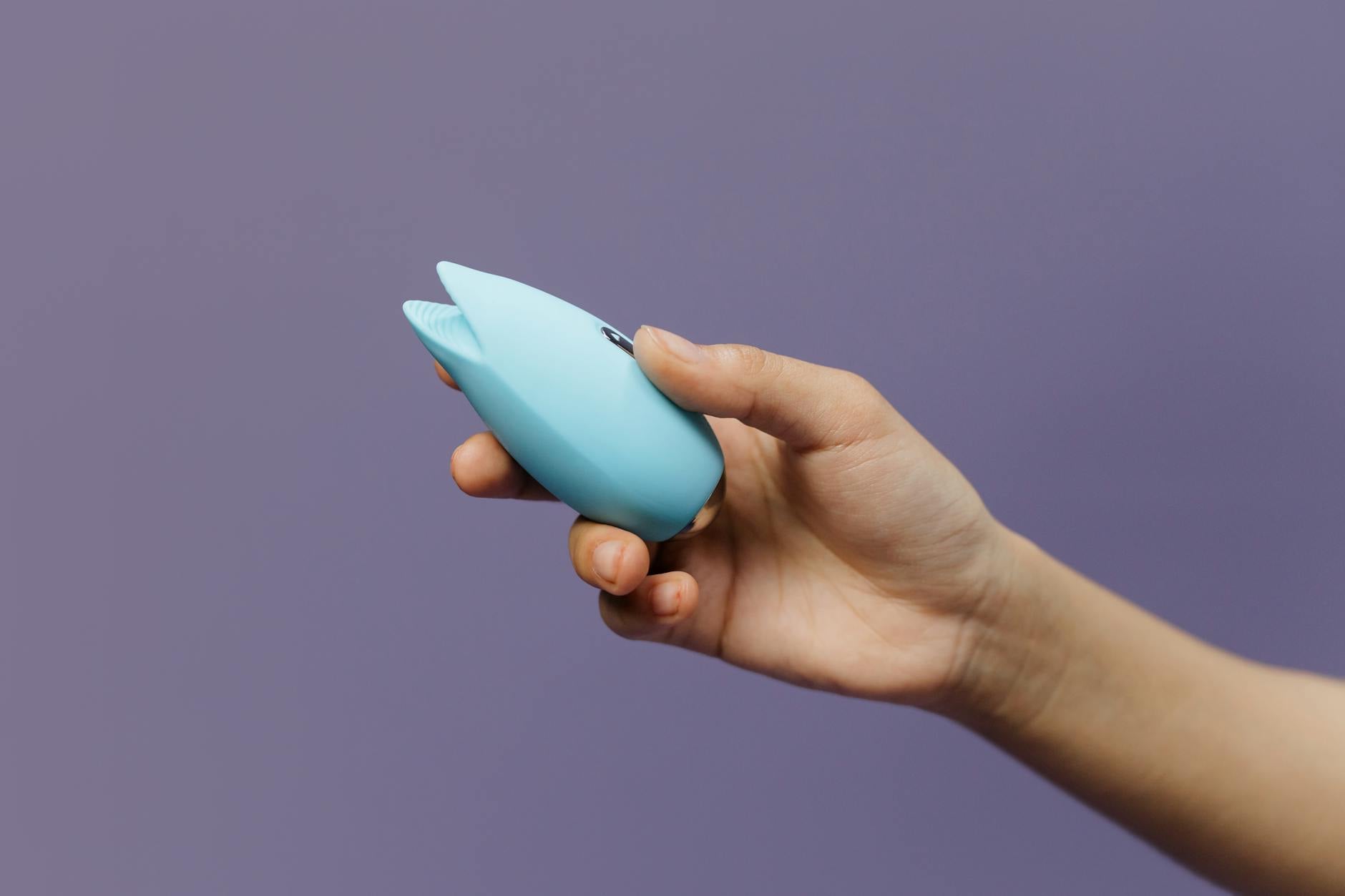
The real obstacle isn't the toy. It's what comes before it.
I've worked with hundreds of couples where one partner desperately wants to bring a vibrator into their sex life and the other partner either shuts down or gets defensive. The usual explanation is "they're not comfortable with toys." But after years of therapy, I can tell you that's almost never the actual problem. The real issue is that the couple has never learned to talk about sex in a way that feels safe for both of them.
One partner might be a verbal processor—they want to discuss pleasure, fantasy, sensation, what's working and what isn't. The other partner might be someone who experiences intimacy wordlessly, who finds talking about sex clinical or awkward or performative. Neither style is wrong. But put them in a bedroom together without a bridge, and you get silence, resentment, or one partner feeling rejected.
This is where a lemon vibrator or clitoral vibrator actually becomes useful in a way that goes beyond the physical sensation. It becomes a language.
Why communication style mismatch happens
Most of us never learned how to talk about sex with someone else. We learned it from porn, from locker room jokes, from absorbed family beliefs about pleasure being shameful or selfish. Some people grew up in households where talking about bodies was normal and casual. Others didn't. Some people are wired as verbal processors; others think and feel more in their bodies.
When you add a partner into the mix, you're suddenly trying to navigate two completely different internal maps of what sex talk even is. One partner might think "discussing our sex life" means vulnerability, intimacy, a moment of real closeness. The other might experience it as pressure, judgment, or surveillance. Neither is wrong. The mismatch is just real.
Add a vibrator into that dynamic without addressing the communication piece, and you've introduced a new source of conflict instead of pleasure.
The three communication patterns you're probably living
The Verbal Processor and the Silent Responder. One of you wants to talk during sex, plan it in advance, debrief after. The other wants to just experience it, and conversation feels like it interrupts the mood.
The Initiator and the Receiver. One of you has been driving the sex life and is desperate for the other to want it too. Introducing a toy without the other person's genuine buy-in feels like more pressure, not more pleasure.
The Fantasy Talker and the Literal Liver. One of you loves dirty talk, scenarios, what-ifs. The other finds it awkward or performative and would rather just be physically present.
None of these are dealbreakers. But they all require translation.
How a lemon vibrator becomes a communication tool
Here's what I recommend to couples stuck in these patterns. A lemon clitoral vibrator or similar device isn't something you debate or introduce as a test. It's something you bring in together with a clear frame: "This isn't about what's wrong with how we've been doing this. It's a way to discover something new together."
That frame matters because it shifts the conversation from "you don't satisfy me" to "let's explore something neither of us has tried."
For the verbal processor and silent responder: the vibrator becomes a permission structure. Instead of "I want you to tell me what you like," you can say, "I want to watch what happens when you use this." Watching creates intimacy and information without requiring words. Equally, the silent partner can show through physical response what they're feeling instead of having to articulate it. That's not avoiding communication. That's translation.
Starting the conversation (without it feeling like pressure)
Don't start with the vibrator. Start with the admission that you've noticed something about how you two communicate about sex. One of you might say: "I've realized I need more talking about what we like, and I think it makes you uncomfortable. That's okay. But I want us to find a way to connect around this."
The other partner might respond: "I'm not uncomfortable with sex. I'm uncomfortable with analyzing it while it's happening. But I get that you need something from me."
Now you have an actual conversation. That's the foundation.
Once you're in that conversation, introducing a tool becomes much simpler. "I found this lemon vibrator, and I thought maybe we could try it together. Not as a test of anything. Just to see what happens." Emphasis on together, not as pressure or expectation.
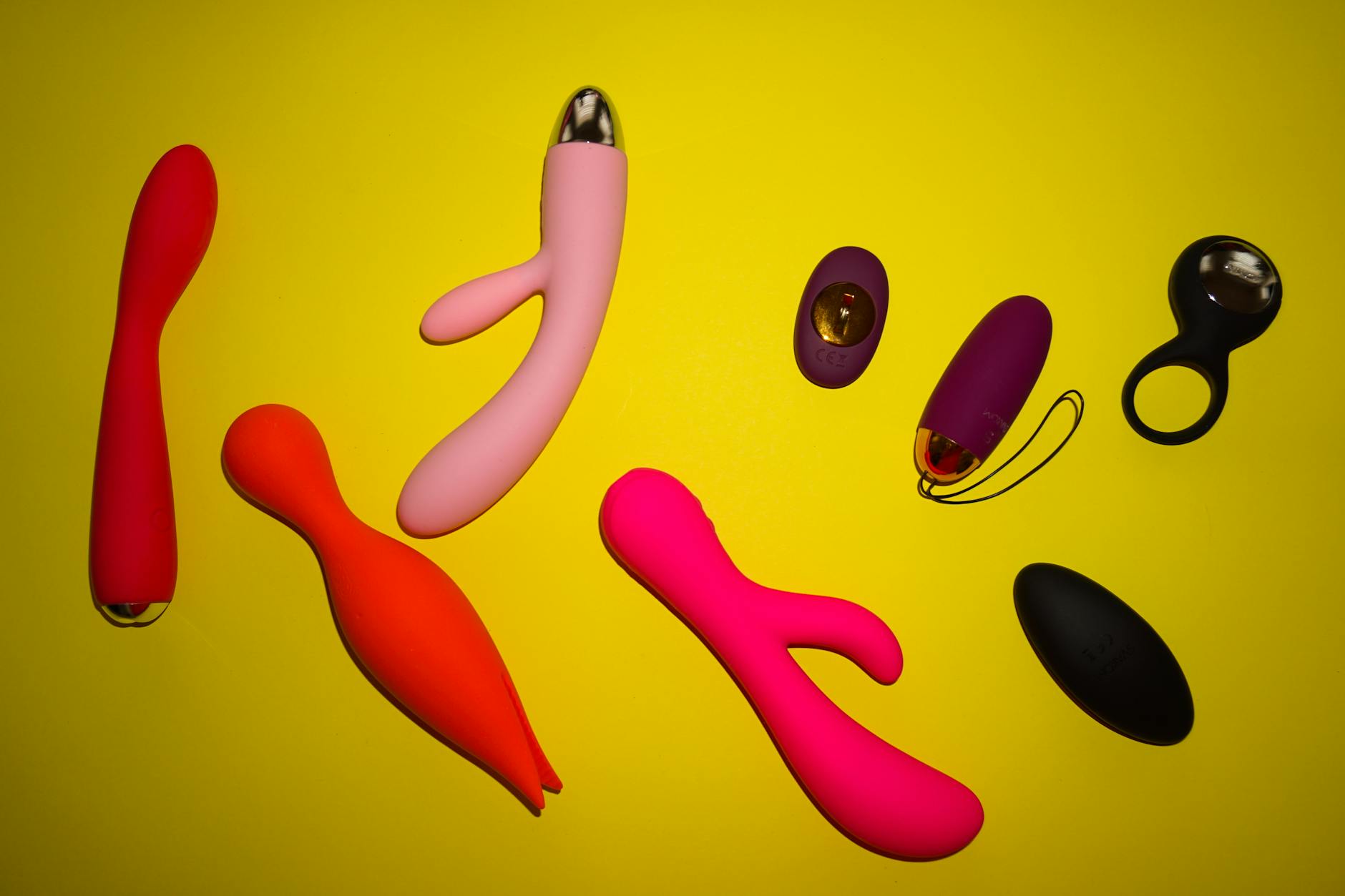
Photo by FounderTips on Pexels
The actual mechanics of using it together when communication feels hard
Let's say one of you is the verbal processor and one of you isn't. Here's how a lemon vibrator can live in that space:
Start with touch, not vibration. Hold the toy before you turn it on. Feel it together. The silent responder gets to experience it as an object first, not as a foreign stimulus. The verbal processor can say something like, "This is the Lem. I looked into it because I think it might feel good for you. Want to try it?" That's information without interrogation.
Use patterns instead of words. Turn it on at a low setting. Let your partner experience the sensation. Your job isn't to ask "does this feel good?" every five seconds. Your job is to pay attention to their body. Are they tense or relaxed? Are they breathing differently? That's all the feedback you need. For the silent responder, showing is communicating.
Name what you notice, don't ask what they're feeling. Instead of "How does that feel?" try "I notice your breathing just changed" or "That made you move closer." You're mirroring sensation back to them, which is intimate without demanding verbal disclosure.
Take turns if you want. Using a clitoral vibrator isn't always partnered. One of you might use it while your partner watches or touches you elsewhere. For the partner who's uncomfortable with toys, watching their partner enjoy themselves can be the entry point. It's less about proving anything and more about bearing witness.
When one partner wants it and the other is truly resistant
If one of you wants to use a lemon vibrator and the other has said no, I need to be clear: the no stays a no. But sometimes a no isn't really about the toy. Sometimes it's about feeling unheard on other things. Sometimes it's about trust or vulnerability. Sometimes it's genuine discomfort. The only way to know is to ask, and to ask in a way that doesn't make them defensive.
"I've noticed you seem resistant to this. I'm not trying to pressure you. But I'd like to understand what you're feeling. Is it the toy itself? Is it feeling like I'm not satisfied with you? Is it something about how we talk about sex?" Then actually listen. Not to respond. To understand.
Often what emerges is something like, "I feel like if you need this, I'm not enough." That's not a toy problem. That's a reassurance and connection problem. And sometimes using a lemon vibrator together actually helps rebuild that connection, but only if you address the emotional layer first.
Building comfort over time
Couples rarely go from "we don't talk about sex" to "we use toys together" in one conversation. It's a progression, and patience matters. You might start by simply using the vibrator alone and mentioning it casually. "I used the Lem this morning and it was amazing." That normalizes it. Over time, your partner might become curious. When they ask about it, you stay casual. You don't make it a big thing. You just share.
You might also read about lemon vibrators together, the way couples sometimes read articles about relationships. It's educational without being confrontational. It creates a shared frame of reference.
Sex that works in a long-term partnership is sex that fits the emotional reality of the couple, not the fantasy. A lemon sexual toy is just an object. What makes it valuable is how it opens doors between you and your partner.
When to get professional support
If the communication gap around sex is part of a larger pattern where you can't talk about anything important, that's the time to work with a therapist. I say this not as a cop-out but as genuine guidance: vibrators can't solve relational patterns that go deeper than just this one arena. But they can be incredibly useful within a relationship that's already working on being more communicative.
If you're stuck in a cycle where one of you keeps trying to introduce something and the other keeps shutting it down, or if you're both willing but every attempt feels tense, that's also therapeutic territory. A couples therapist can help you both understand what's really happening beneath the surface.
The actual point
Using a lemon vibrator with a partner who has a different communication style isn't about compromise on pleasure. It's about finding a shared language for intimacy. Some couples will talk through every sensation. Others will stay mostly quiet and let touch do the speaking. Neither way is better. But when you're trying to meet across different styles, having a concrete object in the room sometimes makes that meeting easier.
What you're really building isn't a sex routine. It's trust. And that's worth moving slowly for.
People also ask
How do I bring up using a lemon vibrator if my partner seems uncomfortable talking about sex?
Start by naming the pattern, not by introducing the toy. Try: "I've noticed we don't really talk about what we like in bed, and I think that's something I'd like to change." Wait for their response. If they open up even slightly, you've created the possibility. After that conversation happens, the toy is much easier to introduce. You're not starting from silence. You're building on honesty.
Can a lemon clitoral vibrator actually improve communication between partners?
Not by itself. But it can become a focal point for communication that was already trying to happen. When both partners are willing to explore it together, the shared experience often opens doors that weren't open before. You're creating a new memory around pleasure and presence that both of you can reference later.
What if my partner thinks using a vibrator means I'm not satisfied with them?
That's a conversation before the toy comes into the room. Something like: "Using a vibrator has nothing to do with how I feel about you. My body responds to certain kinds of stimulation, and that's not about you being not enough. It's about my nervous system." Then follow through by showing him or her that you want connection and intimacy with them around this, not instead of them. The toy is an addition, not a replacement.
Is it better to use a lemon vibrator together or alone first?
It depends on your dynamic. Some couples do better if one partner uses it alone first and then mentions it casually. That removes the pressure of performing or being watched. Others do better introducing it together because it's framed from the start as collaborative exploration. Know your partner. If they're someone who likes control and predictability, using it alone first might feel safer. If they're someone who processes things through doing them together, going together might be better.
How do I use a lemon vibrator if I have a partner who's very quiet during sex?
Don't make their quietness mean something it doesn't. Some people are naturally quiet. Some people focus better without talking. Using a lemon sexual toy with a quiet partner is about observing their responses rather than eliciting words. Watch their breathing, their movement, the way their muscles respond. Your attention is the communication. That's actually profound.
What if we tried using a vibrator and it felt awkward?
That's incredibly normal. First attempts at anything new usually feel awkward. You might laugh. You might feel shy. You might realize the positioning is uncomfortable. None of that means it won't work eventually. Try it again. Adjust something. Talk about what felt off in a matter-of-fact way. "That angle didn't feel right." "I was too in my head." Then try again. Many couples find that the third or fourth time is when it actually starts to feel natural.
Final thoughts
Partners have always had different communication styles around sex, long before vibrators existed. What a lemon vibrator gives you is a way to make that difference explicit and workable instead of implicit and frustrating. It's not magic. But when you use it as a bridge between two different ways of experiencing intimacy, it can genuinely change how close you feel to each other. That's worth the conversation.
If you're struggling with this dynamic and ready to work on it, reach out to Hello Nancy or consider working with a couples therapist who specializes in sexual health. You deserve a partnership where pleasure is something you can explore together.