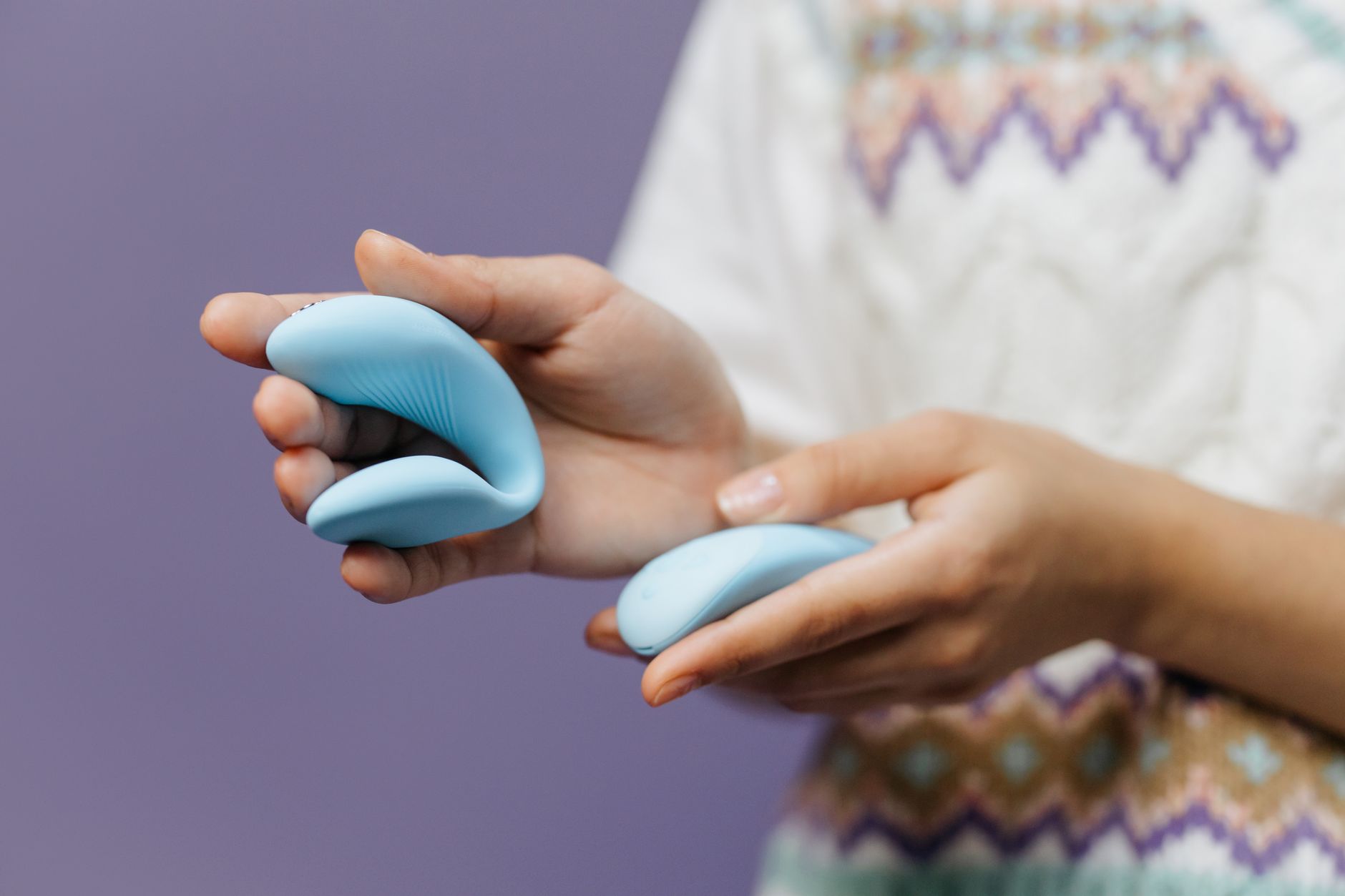
Let's name the thing nobody talks about
Endometriosis and chronic pelvic pain don't just make sex uncomfortable. They make pleasure feel risky. And that risk changes everything. You're not being dramatic if you've hesitated with a lemon vibrator or any clitoral toy because you're worried it will trigger a flare, deepen the ache, or leave you in pain for three days after.
Here's what I want you to know: pleasure is still yours. It just needs a different map.
How pelvic pain actually affects arousal and sensation
Pelvic pain rewires your nervous system. When you live with endometriosis, adenomyosis, or chronic pelvic pain syndrome, your pelvic floor gets stuck in a protective crouch. It tightens whether you want it to or not. Your brain learns to associate that whole region with threat, not pleasure. This is not weakness. It's a survival response that's now working against you.
That protective tension does two things. First, it makes direct penetration or deep pressure feel sharp instead of good. Second, it can make arousal take longer to build because your nervous system is literally saying "don't go there."
But here's the counterintuitive part: clitoral stimulation, especially the kind a lemon vibrator provides through suction rather than direct friction, can actually help reset that nervous system response. Not immediately. Not without strategy. But it can.
Why suction is different for pelvic pain
Most vibrators apply direct friction. That's fantastic if your pelvic floor is relaxed. If it's not, friction can trigger protective tension and pain.
The Lem and similar clitoral vibrators work through gentle suction and pulsing patterns. Suction doesn't vibrate your tissues. It draws gentle pressure upward, which stimulates the clitoral network without the mechanical friction that can aggravate a tight pelvic floor.
This matters because many people with endometriosis report that suction-based toys feel less likely to trigger pain than traditional vibrators. It's gentler on tissue that's already inflamed, and it works beautifully for nervous systems that are on high alert.
Building a pain-safe routine with your lemon vibrator
Start here: use your lemon vibrator only on pain-free days. I know that sounds limiting, but it's actually protective. You're teaching your nervous system that clitoral pleasure does not equal pelvic pain. This association takes time to build, but it's foundational.
On those pain-free days, begin with the lowest suction setting. Lem's pattern 1 or 2. Spend ten to fifteen minutes just getting familiar with how it feels at low intensity. You're not chasing an orgasm. You're gathering data.
Notice what happens. Does your pelvic floor tighten? That's normal at first. Can you breathe through it? Literally breathe. Slow inhales, longer exhales. Your pelvic floor mirrors your breath. If you're holding your breath, it's holding tension.
If low-intensity suction feels fine, you can gradually experiment with higher patterns. But honestly, many people with pelvic pain find that staying in the lower range is where the pleasure lives anyway.
Positions that matter when you have pelvic pain
Forgot what you know about position advice. When you have pelvic pain, the goal is not depth or intensity. The goal is relaxation.
Try lying on your back with a pillow under your knees. This position naturally relaxes your pelvic floor. You're not fighting gravity. Your lower abdomen isn't compressed. Use your lemon vibrator from this position, focusing on the external clitoral area only.
Side-lying also works beautifully. Lie on your right side, left knee slightly bent. This position takes pressure off your pelvis entirely. It's gentler on inflamed tissue and gives you more control if you need to pause.
Avoid positions that compress your lower belly or put weight on your pelvis. So skip being on your stomach or kneeling in ways that press inward. You're looking for relaxation, not novelty.
What to do if pain shows up during pleasure
Stop. Full stop. This is not a moment to push through.
Pelvic pain often teaches us to ignore our signals. To breathe through it. To decide that some discomfort is worth the pleasure. That logic does not apply here. If pain appears, your nervous system is signaling that right now is not safe. Honor that.
Pause. Breathe. Use ice if needed. Heat only if you're certain it's not a flare. Rest. Come back to your lemon vibrator when you're pain-free again.
The point of using a clitoral vibrator is not to push your boundaries. It's to expand them gradually, safely, from a place of actual comfort, not forced tolerance.
Why a pelvic floor physical therapist changes the game
If you're living with pelvic pain and haven't seen a pelvic floor PT, this is the time. They're not orthopedists or general physical therapists. They're specialists in the pelvic floor, and they understand that pain changes arousal in very specific ways.
A good pelvic floor PT can teach you how to consciously relax your pelvic floor, which sounds simple and is deceptively hard. They can also help you understand which movements, positions, and types of touch will feel safe versus triggering for your specific pain pattern.
See them before you explore pleasure tools, or alongside it. Their input makes every other piece of this advice actually work.
The role of communication and pacing with a partner
If you have a partner, this is its own conversation. "I want to explore pleasure again, but I need to move slowly" is different from "my pain is worse" or "I'm not interested in you." Say it anyway.
Your partner needs to know that if you pause or stop, it's not rejection. It's nervous system safety. Frame it clearly: we're rebuilding trust in your body. This takes time.
If your partner expects you to power through pain for their pleasure, that's a separate problem that a lemon vibrator won't solve. A clitoral vibrator is a tool for your pleasure, on your timeline, not a workaround for mismatched desire or pressure.
When to reach out to a specialist
If pleasure consistently triggers flares that last days, talk to your gynecologist or the pelvic pain specialist managing your endometriosis. You may need to adjust medication timing, explore different toy materials, or shift your approach entirely.
If you're experiencing new pain during or after using your lemon vibrator, don't assume it's normal. That information is valuable. Report it. Adjust based on what you learn.
Pleasure with pelvic pain is not about gritting your teeth. It's about learning your specific nervous system, respecting its signals, and finding joy that doesn't cost you three days in bed.
FAQ
Can I use a lemon vibrator during a pelvic pain flare?
No. A flare means your nervous system is activated and your pelvic floor is contracted. Using any vibrator, even a gentle suction-based one, risks deepening the flare. Wait until you're back to baseline pain level. Pleasure on your own terms, when your body is ready, is always better than pleasure pushed through pain.
Will using a clitoral vibrator make my pelvic pain worse over time?
Not if you're strategic about it. Starting on pain-free days, using low settings, and stopping at the first sign of pain actually teaches your nervous system that clitoral stimulation is safe. Over time, many people find their pain tolerance improves. But if every session seems to trigger a flare, you need different guidance. Talk to your pelvic floor PT or your doctor.
Is penetration ever okay if I have endometriosis?
Sometimes. It depends on your specific pain pattern and which organs are affected. Some people find that gentle external stimulation, like what the Lem provides, is all they want or need. Others can tolerate penetration on certain days or with specific preparation. This is entirely individual. Your pelvic floor PT can help you map what works.
Should I use lube with my lemon vibrator if I have pelvic pain?
Yes, absolutely. Water-based lubricant helps the suction work more smoothly and reduces any friction where the toy contacts your skin. Use it generously. Lube is not a sign of failure. It's support for your body.
Can I use my clitoral vibrator if I'm on pain medication?
Yes, though check with your doctor if you're on something that numbs sensation. Some medications make it harder to feel pleasure, which means you might use higher intensities without realizing it. If that's your situation, stick to lower patterns and trust the sensation you do have.
What if I'm scared to try a vibrator because of my pelvic pain?
Fear is reasonable. You've learned that this region can hurt. Talk to your pelvic floor PT before you try anything. Let them help you understand what's safe for your specific pain pattern. Start incredibly small. Use only external stimulation. Go at a pace that feels like exploration, not courage. Your nervous system will gradually learn that pleasure is possible.
You get to have pleasure
Pelvic pain is real. The fear it creates is real. But it does not own your pleasure. A lemon vibrator, paired with patience and nervous system awareness, can be part of reclaiming what endometriosis or chronic pelvic pain tried to take from you. You deserve to feel good. The path just needs to be yours, on your body's timeline, with support from people who understand pelvic pain as deeply as they understand pleasure.
Ready to explore? Start with one pain-free day, your lowest setting, and full permission to stop whenever you want. That's the whole map you need.