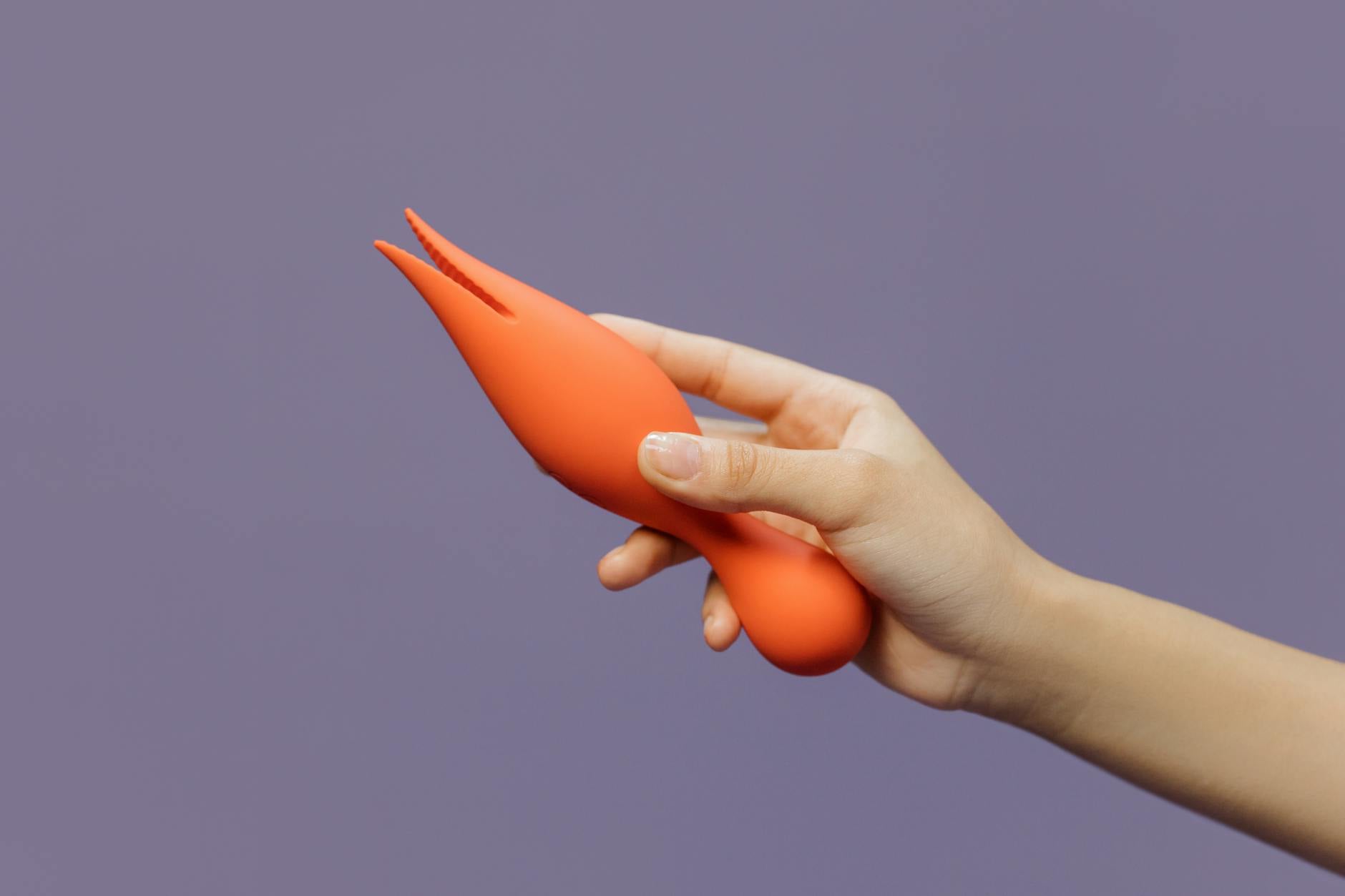
Let's talk about what illness does to desire
Serious illness changes pleasure. Not because you've lost the ability to feel it, but because your nervous system is running on a different operating system right now. COVID, surgery, chronic illness, even extended recovery from a major health event rewires how your body responds to sensation. The pathways are still there. The desire might still be there. But the signal is traveling slower, quieter, or sometimes in completely unexpected directions.
I work with a lot of people navigating this exact transition. They want to feel like themselves again, sexually and otherwise. And they're frustrated because what worked before doesn't work now. That's not failure. That's your body asking you to pay attention to something it's trying to tell you.
What recovery actually changes in your nervous system
When your body's been fighting illness, the nervous system has been in crisis mode. The parasympathetic system, which controls arousal and relaxation, gets deprioritized while your immune system does the heavy lifting. That doesn't disappear overnight just because you've turned a corner health-wise.
You might notice:
Slower arousal onset. What took five minutes before might take twenty now. Your clitoris might need more time to become engorged, more patience from you, more trust.
Different sensation thresholds. Some people report that light touch feels scratchy or uncomfortable after illness. Others say they've gone numb in areas that used to feel electric. Still others find that the same stimulation now feels either too strong or too faint. This isn't permanent, but it's real right now.
Fatigue interrupting pleasure. Recovery is exhausting. Your body heals at night, during rest. Adding sexual activity to a day where you've already expended your energy reserves can backfire. You might find yourself frustrated mid-session because your body's simply run out of fuel.
Emotional guardedness. Illness carries grief. Fear that you won't return to normal, anger that your body betrayed you, uncertainty about what's next. These emotions absolutely affect your ability to be present during sex. You can't separate the nervous system from the emotional landscape it's sitting in.
The good news is that all of these are temporary states. They're not your new permanent reality, even if they feel that way right now.
Why a lemon clitoral vibrator is your ally during recovery
A lemon vibrator, particularly one using suction technology like the Lem, offers something that manual stimulation or friction-based toys can't during recovery. It bypasses the need for extended arousal buildup because it stimulates nerves through gentle pressure rather than friction. That matters when your body is still recalibrating.
Here's what I tell people: a lemon sucker vibrator does the work for you. You don't have to generate the sensation. You just have to receive it. That distinction is huge when you're already depleted.
Second, suction-based clitoral vibrators typically allow for very fine control over intensity. You can start at the gentlest setting, which is crucial when you're not sure how your body will respond. If sensation feels overwhelming or numb, you can make micro-adjustments without stopping entirely.
Third, because these lemon adult toys distribute stimulation across a wider surface area through suction rather than direct vibration, they're less likely to create numbness or overstimulation in recovery. Your nervous system can handle it without going into overdrive.
How to approach this safely and realistically
First thing: check in with your medical team if you haven't already. If you had surgery, abdominal recovery, or anything that involved your pelvic floor, you need clearance. Even when everything's physically healed, sometimes doctors recommend a longer wait than you'd expect. Respect that boundary. It exists for a reason.
Once you've got the green light, start small. I mean genuinely small.
Set a low bar for "success." Success isn't a full orgasm. Success is noticing that you felt something pleasant. It's spending ten minutes with your body without judgment. It's recognizing that sensation returned in one area even if another area's still quiet. Recalibrate what you're measuring.
Pick a time when you're genuinely rested. Not just "not actively tired," but actually rested. This usually means the day after a good night's sleep, not at the end of a full day. Your nervous system needs resources available to you. If you're running on fumes, sex becomes another obligation instead of a pleasure.
Use lubrication even if you think you don't need it. Recovery can affect natural lubrication in ways that have nothing to do with arousal. Water-based lube creates a buffer, reduces friction, and tells your nervous system it's safe to relax.
Start with the lowest setting on your lemon vibrator. Let your body surprise you. Often people discover that they don't need the intensity they used to use. As sensation returns, you can adjust up. But starting high and having to turn it down creates frustration.
Give yourself permission to stop. If something feels wrong, painful, or just not right, stop. This isn't quitting. This is your nervous system saying "not yet." Listen to it. You can try again next week.
The emotional part is as important as the physical part
When you've been sick, your relationship with your body often needs repair. You may have felt betrayed by it, angry at it, disconnected from it. That emotional reality doesn't vanish when your temperature returns to normal.
Take time to reconnect before you expect pleasure to show up. Touch your own body without expectation. Notice what feels good. Notice what doesn't. This sounds slow and almost silly when you're eager to feel normal again, but it's foundational. Your nervous system can't access arousal if it doesn't feel safe.
If you have a partner, let them know what you're doing and why. "I'm rebuilding sensation slowly" is a completely reasonable sentence. Partners often feel confused or rejected when sexual activity shifts during recovery. Clarity prevents that spiral.
A gentle timeline to expect
Recovery isn't linear. Some days sensation feels almost normal. Other days it's back to baseline. This is your nervous system rewiring itself, which takes time.
Week one to two: Exploration. You're figuring out what feels okay and what doesn't. No expectations.
Week three to six: Patterns emerge. You start noticing that certain times of day feel better, or that your body responds more easily when you've rested, or that lower intensity actually feels better than what you used to do.
Week six to twelve: Sensation gradually returns. Not all at once. In patches. Maybe your clitoris wakes up before your vagina does, or vice versa. Both are normal.
Three months onward: Most people report that their pre-illness sensation baseline has returned, though sometimes with subtle differences. Some people discover they actually prefer their post-recovery pleasure map to their pre-illness one.
Your timeline might be different. That's fine. Compare yourself to yourself, not to some imaginary timeline.
When to reach out for additional support
If months have passed and sensation hasn't returned meaningfully, talk to your doctor. Sometimes recovery involves longer nervous system healing than we expect. Sometimes there's a medical component that needs addressing.
If you notice that emotional guardedness or disconnection from your body is persisting, consider working with a therapist who specializes in sexual health. Illness can create trauma patterns that don't dissolve on their own. That's not weakness. That's recognizing you need support.
If your partner is struggling with the changes in your sexual connection, couples counseling is a gift to both of you. You're both adjusting. Having a neutral person help you navigate that adjustment matters.
Recovery is not a linear process, and neither is the return to sexual pleasure. Using tools like a lemon clitoral vibrator can help you move through that process with intention and patience. Your body will return to pleasure. It just might take a different route to get there than it did before.
People also ask
How long after illness should I wait before using a vibrator?
That depends on the type of illness and recovery. If you had surgery involving your pelvic floor or abdomen, wait until your doctor gives you clearance, which is typically two to six weeks depending on the procedure. For general illness recovery like COVID or the flu, once you've regained basic energy levels and don't have active symptoms, you can begin gentle exploration. The key is listening to your body rather than following a fixed timeline. If something hurts or feels wrong, wait longer.
Can using a lemon vibrator actually help sensation return faster?
Regular gentle stimulation can help your nervous system recognize that sensation is safe and normal again. The suction technology in a lemon vibrator is particularly helpful because it's less jarring than friction-based stimulation. That said, you're not forcing anything back. You're giving your nervous system a gentle signal that pleasure is available. The actual healing happens internally and on your body's timeline, not on the vibrator's schedule.
What if the lowest setting on my lemon vibrator still feels too intense?
Some people find even the gentlest setting overwhelming during early recovery. If that's you, you can remove your vibrator from direct contact with your clitoris by placing it over your underwear or using it through a thin fabric layer. This dampens the sensation while still providing stimulation. You can gradually move to more direct contact as your nervous system adjusts. There's no shame in needing this buffer.
Should I tell my partner about my recovery and sensation changes?
Absolutely. Partners often interpret changes in sexual response as loss of desire or attraction when the reality is purely physiological. Telling them "my body's recalibrating and sensation is slower right now" removes the guesswork and the hurt feelings. It also opens the door for them to support you rather than feel confused or rejected.
Is it normal to feel numb after illness even though I'm physically healed?
Completely normal. The nervous system heals on a different timeline than the immune system. You can be medically cleared as healthy while still having reduced sensation, slower arousal, or areas of numbness. This typically resolves within weeks to a few months with gentle, consistent stimulation and rest. If it persists beyond three months, mention it to your doctor because sometimes there's an underlying factor worth exploring.
Can a lemon sexual toy help with both physical and emotional reconnection after illness?
Yes, but it works best when paired with intentional emotional work. Using a vibrator isn't just physical stimulation. It's a ritual that tells your nervous system and your psyche that your body is worth caring for, that pleasure matters, and that you're moving forward. That symbolic aspect is as important as the mechanical one. Combine the tool with patience and self-compassion, and you've got something genuinely healing.
Recovery takes time. So does pleasure.
Your body's been through something. It needs time to remember that sensation, arousal, and pleasure are part of normal functioning again. Using a lemon vibrator can be part of that reclamation process. But the real work is patience with yourself, communication with your partner if you have one, and trust that your nervous system knows how to come back online.
You haven't lost your capacity for pleasure. It's just dormant. And with gentle, consistent attention and the right tools, it wakes up again. If you have questions about your recovery journey or want to explore what's right for your body, reach out at /contact. We're here to help.