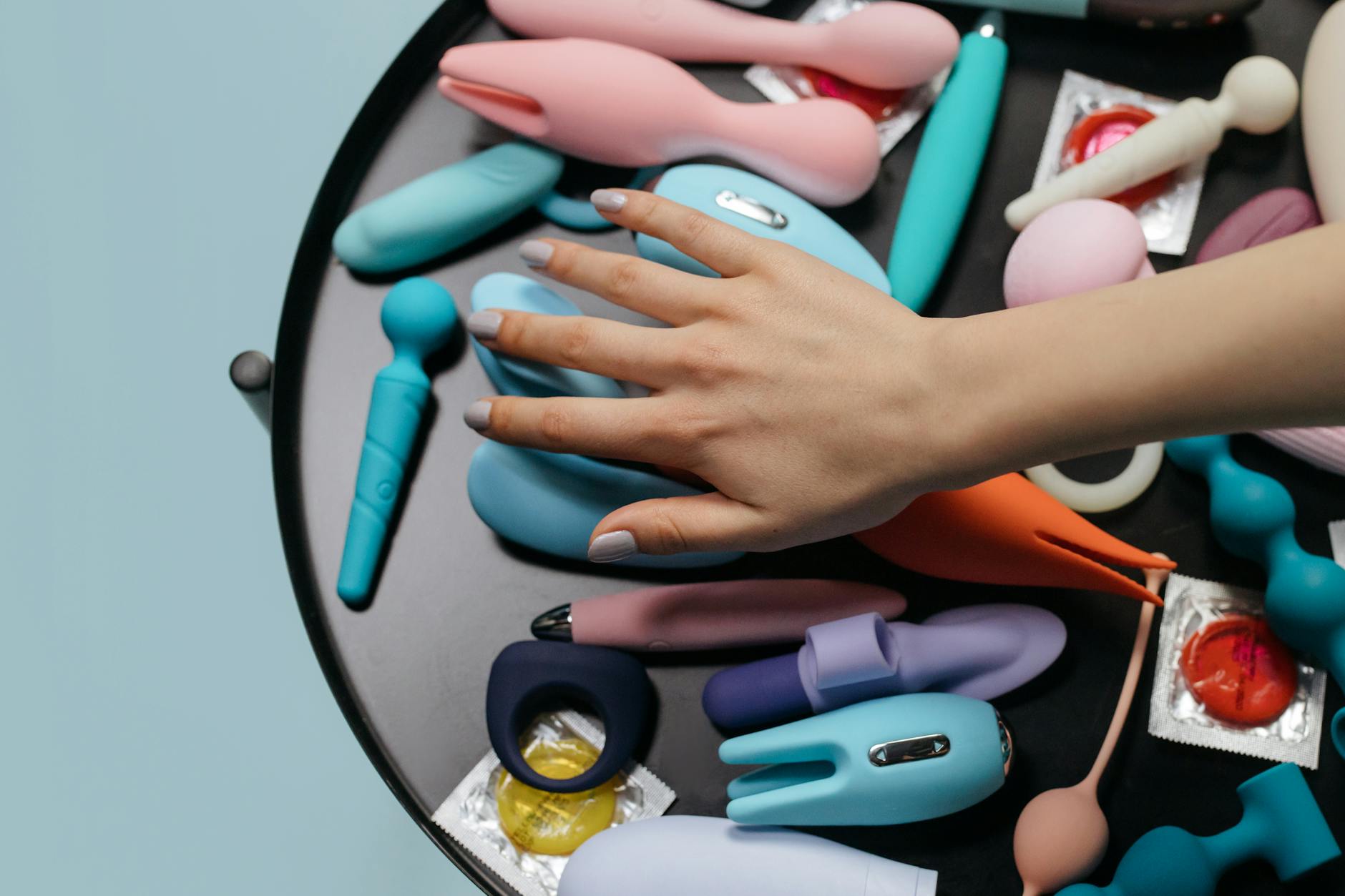
Let's be real about desire mismatch
One of you wants sex twice a week. The other would be fine with once a month. You've probably already had the conversation that goes nowhere. "You never want me." "You're always pressuring me." Both statements are true and both are exhausting. A lemon clitoral vibrator doesn't magically erase desire differences, but it does something almost as valuable. It stops making your mismatched libidos feel like a personal rejection.
Here's what I see in my practice over and over: couples don't fight about the actual frequency. They fight about what the frequency means. Low-desire partners worry they're broken or that they're disappointing their high-desire partner. High-desire partners feel unwanted, resentful, like something is wrong with them. Both are right to feel something. But a vibrator can be the third voice in that conversation, and that changes everything.
Why this matters more than frequency
Mismatched desire is one of the top three things couples fight about. It ranks up there with money and how to load the dishwasher. The pattern usually goes like this. One partner asks, the other declines or agrees reluctantly. Reluctant sex doesn't feel good to either person. The high-desire partner feels settlement. The low-desire partner feels pressure. Both people go cold.
A lemon vibrator breaks that loop. Here's how. It separates your sexual satisfaction from your partner's availability. That separation is radical. You can want your partner and still want solo pleasure on your own timeline. Both things are real and both are okay.
The conversation you actually need to have
Before you introduce a clitoral vibrator into the conversation, you need to name what's really happening. Sit down and say: "I love you and I want you sexually. And I also need my own way to satisfy myself sometimes." That's it. Not "you're not giving me enough," not "I'm frustrated with you." Just that.
Then listen. Your partner might say they feel threatened. They might worry it means you don't want them. They might feel sad. Don't jump to defending the vibrator. Just hear it. Shame about sex toys is real and it matters.
Then you can say: "This isn't about replacing you or solving some problem with us. It's about me taking care of myself. You can participate if you want, or I can have that time alone. Either way, I get to have it." That removes the central pressure and makes everything easier.
How to actually introduce it
Show your partner the lemon vibrator before bed pressure exists. Show it in daylight, without nudity, without expectation. "I bought this. It's a clitoral vibrator made by Get Lem Official. Here's how it works." Let them hold it, ask questions, get curious. No performance. No "this is for us now." Just normalization.
Then, the first time you use it with your partner in the room, don't do it during sex. Do it when you're both awake, maybe having coffee or watching TV. Use it on yourself while they're beside you. Not for show, but not hidden either. Casual. Just your body, just your pleasure.
If your partner wants to participate, great. They can touch you while you use it or use it on you. If they don't, that's fine too. The goal isn't to orchestrate joint arousal. The goal is to build permission.
The solo pleasure part (which is half the point)
Honestly though, the bigger breakthrough happens when you use the lemon vibrator alone. When your partner isn't home or when you wake at 6 a.m. on a Saturday and your partner sleeps until 9. You get to have orgasms on your timeline. You get to be selfish about your pleasure without it affecting anyone else.
That solo time is medicine. It reminds you that your desire belongs to you, not to your relationship. It lifts the weight off your partner to be the sole source of your sexual satisfaction. And weirdly, it makes partnered sex better when it happens, because there's less pressure on both sides.
Your partner doesn't have to perform. You don't have to manage their feelings about your need. Sex becomes something you both want, not something one of you is trying to negotiate.
When you use it together
If and when you bring a clitoral vibrator into partnered sex, keep it simple the first time. You're not reinventing anything. Maybe your partner enters you while you use the lemon vibrator on your clitoris. Maybe you use it before sex to get aroused faster. Maybe you use it during foreplay and then stop.
The point is that it's not a replacement for your partner. It's a tool that lets you reach orgasm on your timeline, which often means the sex ends better for both of you.
One thing that surprises people: when the lower-desire partner feels less pressure, they sometimes want sex more. Not always, but often. Pressure kills desire. Permission resurrects it.
The real shift
What actually changes when you bring a lemon vibrator into a mismatched-desire relationship is the conversation underneath. It goes from "you're not enough for me" to "I'm enough for myself, and I also want you." Those are completely different sentences.
Your partner isn't failing you if they don't want sex as often as you do. You're not broken if you want it more. You're just two people with different rhythms, and that's solvable. A vibrator is just the permission slip that makes it feel solvable.
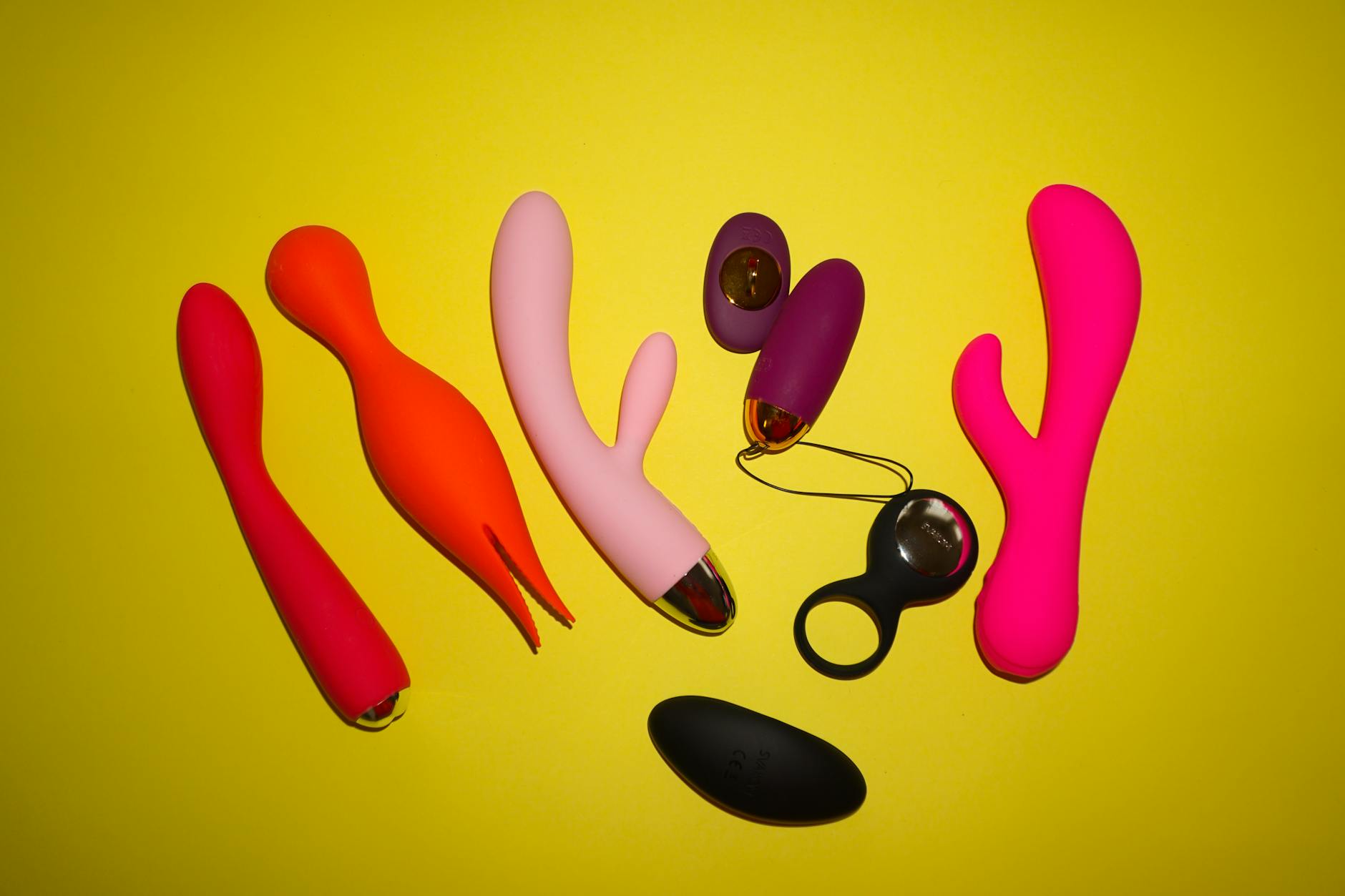
Photo by DRT.fm on Pexels
FAQ: Mismatched Desire and Vibrators
Will using a vibrator make my partner feel inadequate?
Possibly, but only if you frame it that way. If you introduce it as "you're not enough," then yes. If you frame it as "I get to have my own pleasure on my own timeline," it's different. The key is separating your need from your partner's performance. You're not saying they're failing. You're saying you have a need that isn't about them.
What if my partner asks me to stop using it?
That's a real conversation to have. Ask why. Are they threatened? Do they feel replaced? Are they worried about the relationship? Listen. But also hold your boundary. You get to have your own sexual satisfaction. That's non-negotiable. What's negotiable is how, when, and where. Maybe you agree not to use it in the bedroom. Maybe you use it only when you're alone. But you keep the right to pleasure.
Can a clitoral vibrator fix desire mismatch completely?
No. But it can stop it from being a wound that reopens every time you have sex. It can change "we don't want the same thing" into "we want different things and that's manageable." Sometimes one partner's desire actually increases when pressure drops. But this isn't a fix. It's a tool that makes the actual problem easier to navigate.
Is it weird to use a lemon vibrator if we have a good sex life?
No. Good sex lives include solo pleasure. If you're having great sex twice a week but also want to masturbate on Tuesdays, that's not a sign something is broken. That's normal. Your sexuality doesn't have an off switch just because you're in a relationship.
How do I talk to my partner about this without it becoming a fight?
Start outside the bedroom. Start outside sexuality entirely. "I want to talk about something that's been on my mind. I don't think this is about us, but I need to say it anyway." Then name what you need. "I want to have more agency over my own pleasure. I want that to not involve you every time. And I also still want you." Most partners soften when they hear permission from their person. They're not losing you. They're being relieved of impossible pressure.
What if I'm the lower-desire partner and my partner wants to use a vibrator?
That's actually great. It means they're taking responsibility for their own satisfaction instead of making it your job. You don't have to participate. You don't have to use it. But you can get curious about why they want it and whether there's something underneath that matters to the relationship. Sometimes lower desire isn't about the person. It's about stress, depression, or feeling disconnected. A vibrator won't fix that. But the conversation might.
The permission you actually need
Here's the thing. You're allowed to want your partner and still want to pleasure yourself. You're allowed to have mismatched desire and still have a good relationship. You're allowed to use a lemon clitoral vibrator without it meaning anything is wrong.
If you're curious about how a vibrator might fit into your specific situation, reach out to Get Lem Official or check out our resources on couples and pleasure. Sometimes just talking it through with someone outside the relationship helps.
Your desire matters. Your partner's desire matters. They don't have to match for the relationship to work. A vibrator is just the tool that lets you both stop fighting about it.
References and Sources
Gottman, J. M., & Silver, N. (2015). The Seven Principles for Making Marriage Work. Harmony. Research on desire discrepancy in long-term relationships and the role of sexual satisfaction in relationship quality. Perel, E. (2018). The State of Affairs: Rethinking Infidelity. HarperCollins. Contemporary relationship dynamics and sexual satisfaction. Nagoski, E., & Nagoski, A. (2017). Come As You Are: The Surprising New Science That Will Transform Your Sex Life. Simon & Schuster. Neurobiology of sexual response and desire regulation.