Here's what nobody tells you about mismatched recovery timelines
Your partner used to want sex. Then life happened. Trauma, grief, health issues, medication side effects, burnout. Now they're healing, but healing isn't linear. They might want to reconnect with pleasure, but their body is moving slower than yours. They might feel guilty about the mismatch. You might feel rejected. Both of you might be stuck pretending everything is fine when it's clearly not.
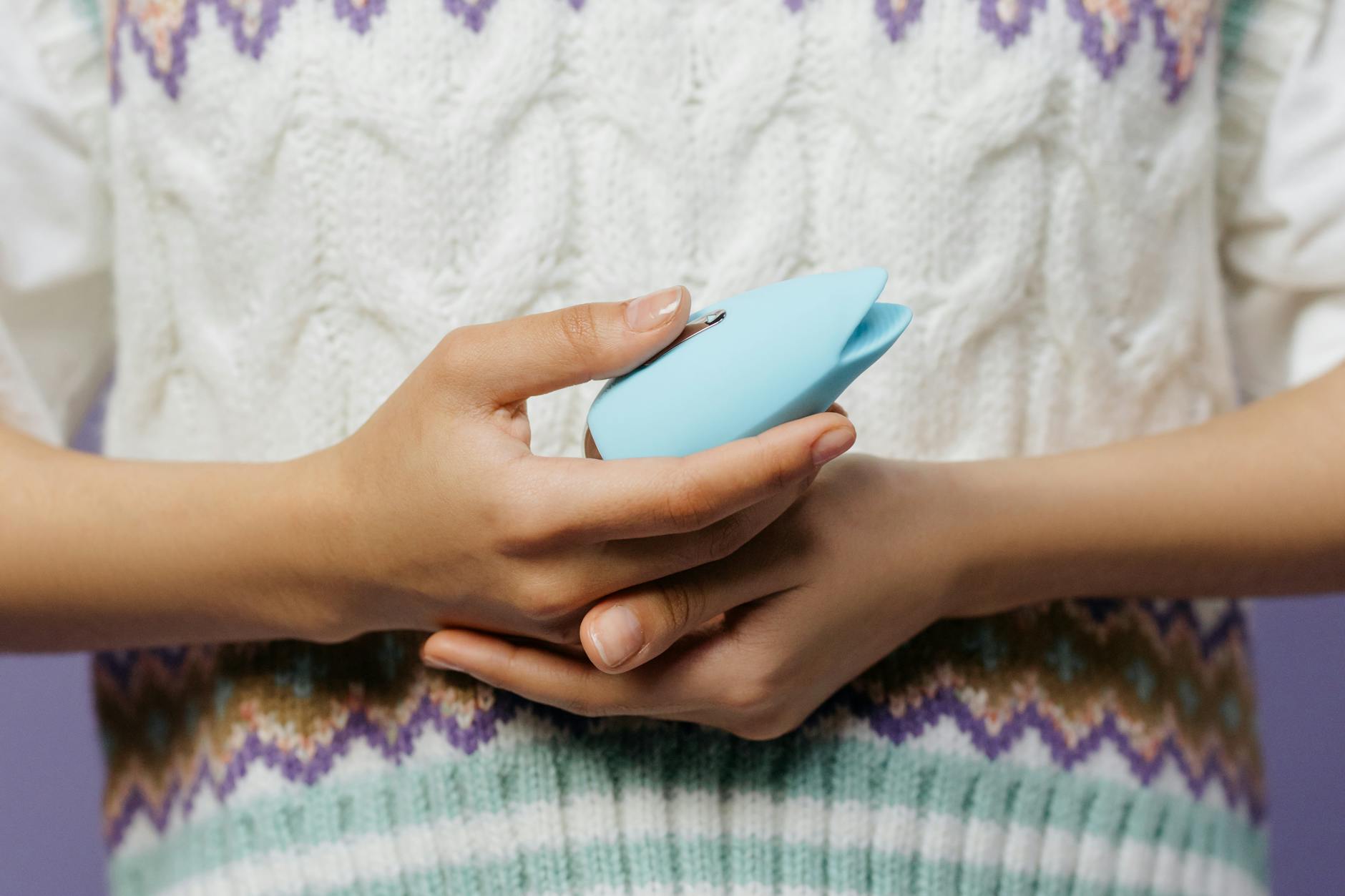
This is when a lemon clitoral vibrator becomes less of a toy and more of a bridge. Not because it "fixes" them. But because it creates a pathway back to sensation that bypasses performance pressure entirely.
Why timing mismatches happen (and why they're not your fault)
When someone has experienced sexual shutdown, medication-induced numbness, or extended stress, their nervous system has essentially deprioritized pleasure signals. It's not laziness. It's a protective mechanism. The body is saying: we're in survival mode, arousal is a luxury we can't afford right now.
Meanwhile, their partner is still in the room. Still desiring them. Still waiting. The gap between those two places creates a lot of shame for both people. Partners who need more time often feel they're failing the relationship. Partners who are ready often feel rejected or question whether their partner still finds them attractive.
Neither of those stories is usually true. What's true is that one nervous system has pulled back and needs gentle, consistent stimulation to come forward again. And that takes patience.
The role of lemon vibrators in pleasure recovery
Clitoral vibrators work differently than other forms of touch. They provide consistent, predictable stimulation that doesn't require effort or response from the person receiving it. For someone whose arousal is sluggish, that matters. A lot.
When you're using a lemon vibrator together, the receiving partner isn't performing. They're not trying to "get there" fast enough. They're not managing anyone's expectations but their own. The vibrator does the sensory work while they focus purely on noticing what they feel.
For the partner who has been waiting, this also shifts the dynamic. You're not pursuing. You're offering. You're saying: your pleasure matters enough to learn a new way of touching you. That reframes intimacy from "you owe me" to "we're building something together."
How to introduce a lemon vibrator when recovery is happening
Start by separating pleasure from intercourse. This is crucial. If the only time you use a lemon clitoral vibrator is as foreplay before sex, it still carries the pressure of "this better lead somewhere." Instead, try it on its own.
Set aside 20-30 minutes when neither of you is tired or rushed. Dim the lights. No screens. Remove the expectation that this ends with an orgasm or any particular outcome. That sounds easy on paper and feels radical in practice.
The receiving partner lies down. The using partner starts on a low pattern. For many people in recovery, patterns 1-3 on the Lem are ideal because they're gentle enough to wake up sensation without overwhelming the nervous system. Use the vibrator slowly. Move it. Pause. Move again. Let your partner's breathing guide you, not your own desire to "finish the job."
Communication during this is different than usual sex talk. Instead of "do you like that," try "what are you noticing." Noticing implies observation, not judgment. Your partner might say: it feels warm, or numb, or tingly in a new place, or like nothing yet. All of those are valuable data.
What happens when sensation is slow to return
Some people reconnect with arousal in weeks. Others take months. The timeframe depends on what caused the shutdown: medication effects, trauma recovery, chronic stress, health conditions. None of these have a universal timeline.
If your partner is using a lemon sucker regularly and nothing is shifting after several weeks, that's information to bring to a doctor or therapist. Sometimes the block is medical. Sometimes it's psychological and needs clinical support. Using a toy won't override either one.
But here's what often does happen in the middle ground: your partner starts to notice small shifts. A tingle that wasn't there before. A moment where they actually want your touch instead of just accepting it. Goosebumps. A deepened breath. These micromovements are the nervous system learning to trust pleasure again. They're small, but they're real.
The emotional work alongside the physical
This is where couples get stuck and blame the lemon vibrator for not working. The toy is fine. The emotional container around it isn't.
If your partner feels like they're performing recovery for you, it won't work. If you're internally timing how long this process should take and getting frustrated, they'll feel that. If either of you is keeping score about whose pleasure gets attention, the entire repair fractures.
Before you use a lemon clitoral vibrator together, have a conversation about what recovery looks like for them. Ask what they need from you that isn't sexual. Sometimes it's consistency. Sometimes it's you pursuing other people's pleasure first and letting them watch without pressure to participate. Sometimes it's time alone to reconnect with their own body through solo play before adding a partner back in.
That conversation is harder than any physical technique. But it's the one that actually changes things.
When to adjust your approach
If your partner is experiencing pain with the vibrator, stop. Pain isn't a sign to work harder. It's a sign something needs to change. That might mean using a different pattern, using lubricant, taking longer breaks, or switching to a different type of toy entirely. Sometimes pleasure recovery requires a few different approaches before one clicks.
If your partner's arousal is still flat after consistent gentle use and everything else is supporting recovery (therapy, medical care, rest, connection), that's also information. It might mean they need solo practice before partnered play. It might mean they need a mental health professional's input. It might mean this season of your relationship requires patience on a scale you didn't expect.
That's hard. It's also not a referendum on your attractiveness or your relationship's viability. It's a signal that something bigger than a lemon vibrator needs attention.
Rebuilding desire without rushing the timeline
Let's be clear: using a lemon clitoral vibrator when your partner's pleasure recovery is slow doesn't speed up the timeline. That's not what it's for. It's for creating a consistent, pressure-free space where sensation can emerge at its own pace.
Most couples I work with report that the actual time to reconnection isn't shorter. But the quality of reconnection is different. Because they've practiced patience. Because they've learned to separate their own desire from their partner's capacity. Because they've used those sessions to talk, to touch, to stay close during a season when the body wasn't cooperating.
That's a foundation. Not every relationship needs one. But if your partner is healing and you want to hold space for that without abandoning your own sexuality, a lemon vibrator becomes part of how you do that work together.
Common questions about pleasure recovery
What if my partner still doesn't want to use a vibrator even after talking about it?
That's an answer you have to respect. Some people in recovery find vibrators helpful. Others find them triggering or just not their thing. The point isn't to push a particular tool. It's to ask: what would help you feel safe reconnecting with pleasure. That might be touch alone. It might be time. It might be professional support. Listen to what they're actually saying instead of what you hope they'll say.
How long should I wait before deciding pleasure recovery isn't going to happen?
There's no universal timeline. What matters is checking in about what's realistic. Are you both willing to do this for six months? A year? Is there a threshold where you'd need to reassess the relationship? These aren't unromantic questions. They're the honest ones that keep relationships from dying slowly from resentment. A couples therapist can help you figure out what you're both actually working toward.
Can I use a lemon vibrator on my partner if they're not in the mood but I think they might enjoy it?
No. Anything sexual requires clear consent, including vibrators. If your partner isn't interested, pushing it "for their own good" will deepen the wound, not heal it. This is true whether someone is in recovery or not. Pleasure comes from wanting, not from being convinced.
Is it okay to use a lemon clitoral vibrator while my partner is still grieving or in trauma recovery?
It depends on what your partner wants. Some people need physical pleasure as grounding during hard emotional work. Others need complete rest from sexuality while they process. The only way to know is to ask: "Is this something that would feel good to explore right now, or do you need space?" and genuinely accept either answer.
What if my partner enjoys the vibrator but orgasms still don't happen?
Orgasm isn't the finish line for pleasure recovery. Sometimes reconnecting with sensation is the entire goal. Your partner might notice they enjoy the vibrator, that their body feels more alive, that they want touch again, without crossing into orgasm. That's significant. Don't confuse progress with the specific outcome you were hoping for.
Should I talk to a therapist if my partner's recovery is taking a long time?
Yes. Individual therapy for the person in recovery, couples therapy for both of you. This isn't a sign you're failing. It's a sign you're taking this seriously enough to get support from someone trained in this work. That's exactly when therapy is most useful.
The bottom line
When your partner's pleasure is coming back slowly, a lemon vibrator gives you something to do together that isn't about performance or proving the relationship still works. It's about showing up. About consistency. About saying: your body matters, and I'm willing to wait while it remembers how to feel.
That's not the sexiest reason to use a vibrator. But it's often the most powerful one.
If you're navigating pleasure recovery with a partner and want support beyond what you can figure out alone, reach out. This work is hard, and you don't have to do it in isolation.