Let's name the problem without shame
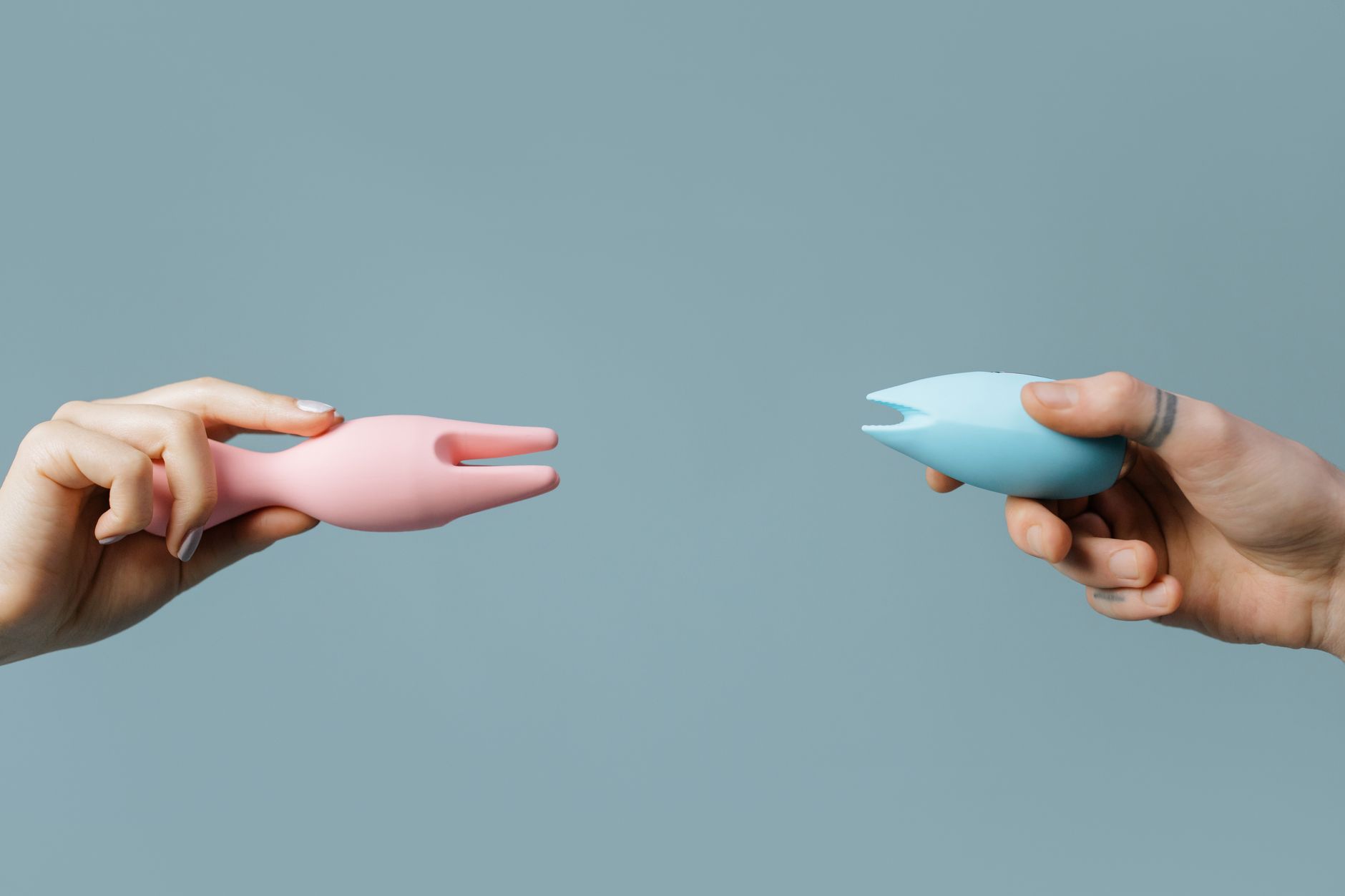
Premature ejaculation (PE) happens in about 30% of men at some point. It's common enough to be utterly normal, yet most couples treat it like a private failure. Here's the thing: his early finish doesn't have to be your early stop. A lemon clitoral vibrator changes the entire dynamic by giving you the tool to reach pleasure on your timeline, not his.
This isn't a workaround. It's an upgrade.
Why this matters more than you think
When a partner finishes quickly, two bad scripts tend to play out. Script one: you pretend it's fine and skip your own orgasm entirely, which builds resentment over months. Script two: he feels so embarrassed about PE that sex becomes tense and infrequent. Neither is sustainable.
Using a lemon sexual toy during sex isn't compensation. It's integration. You're both still having sex together, except you're not pretending his timeline is your timeline. Research on couples who use toys together shows higher satisfaction, more communication, and less avoidance around sex. Turns out, honesty about pleasure works better than politeness.
The physiology of PE and why vibration helps
Premature ejaculation is usually a combination of two things: the arousal curve happens faster for him (sometimes much faster), and there's often anxiety about lasting longer, which makes it worse. That anxiety triggers the sympathetic nervous system, which speeds everything up.
Meanwhile, your arousal curve is probably different. Most people with vulvas need 15 to 25 minutes of stimulation to reach orgasm. A lemon vibrator accelerates your arousal pathway by directly stimulating the clitoris and the nerve endings that trigger orgasm. You're not waiting for him to catch up. You're both moving toward climax on paths that actually make biological sense.
The suction mechanism in devices like the Lem is particularly effective here because it doesn't require penetration to work. You can use it during intercourse, or you can use it while he's using another form of stimulation, and nothing feels like a replacement for him. It's just your nervous system getting what it needs.
How to introduce the conversation
Most couples get this wrong. They wait until a frustrating moment to say, "Maybe we should try a toy." That feels like blame. Instead, bring it up outside the bedroom when you're both calm.
Try this: "I love having sex with you. I also know my body takes longer to get there than yours. I don't want to rush myself, and I don't want you to feel pressure. What if I used a vibrator during sex so we can both feel good?" That's not criticism. That's logistics.
If he's worried it means he's not enough, name that directly: "You're plenty. This is about my body, not your body. Think of it like you wear glasses to see better. I want this to help me feel better."
The practical setup that actually works
Here are three positions that work well with a lemon vibrator when PE is in the picture.
Position one: You on top. You control the depth and rhythm. He can last longer when he's not driving the pace. Use the Lem or a lemon clitoral vibrator on yourself while you're moving. You can adjust the angle, speed, and pressure without coordinating with him. This is the most straightforward setup.
Position two: Side by side. Less intensity than other positions, which gives him more control. You have full access to your own body for vibrator use. There's a tenderness here that helps with the anxiety piece too.
Position three: Him behind, you with the vibrator. This works if PE anxiety is making him feel detached. You're stimulating yourself while he's inside you. It actually helps him relax because the pressure to do everything is off.
Whichever position you choose, the key is that you've agreed on it beforehand. No surprises in the moment. Surprise toys in the bedroom often feel like criticism if they haven't been discussed.
Managing the emotional layer
PE is often tangled up with shame and performance anxiety, which makes it worse. If your partner feels embarrassed, the fix isn't to ignore it. The fix is to actually talk about it.
You might say: "I want to use this vibrator for me, not because anything is wrong with you. Can we think of it as something we're doing together, not something you're failing at?" Get his buy-in. Let him be part of choosing the device if possible. Some partners feel better when they're in control of turning it on, or when they can adjust the settings. Give him agency.
If the anxiety is severe (if he's avoiding sex entirely, or if PE is happening even with condoms designed to reduce sensation), he might benefit from talking to a doctor. Topical numbing sprays, or sometimes even short-term therapy focused on the anxiety piece, can help. This isn't something he has to manage alone.
Timing and rhythm
The first time you use a lemon clitoral vibrator together, don't expect everything to be seamless. You might need to find the right moment to start it (too early and you're overstimulated, too late and he's already finishing). That's fine. It takes two or three times to figure out what works.
Start at a lower setting. Many people assume they need maximum vibration, but medium-to-low often works better when you're also being stimulated by penetration. You can always turn it up.
Honestly though, the timing conversation is easier when it's pre-planned. "When you feel like you're getting close, just let me know, and I'll turn the vibrator up." Some couples find it helpful to have a simple signal, not even a word, that means "I'm close." A hand gesture, a breath pattern, whatever. It removes the awkwardness of talking during sex.
What changes after the first time
Most couples report that using a vibrator together actually reduces PE anxiety over time. Why? Because the pressure is gone. He's not trying to time his arousal to yours anymore. You're both focused on your own pleasure within the same experience. That's less stressful for everyone.
Some men also find that using a vibrator on their partner is deeply satisfying. The focus shifts from "Will I last long enough?" to "How can I help her feel amazing?" That mindset shift alone can improve PE symptoms.
Over time, many partners find that PE becomes less of an issue altogether. Not because there's a cure (though some things do help), but because the shame around it dissolves, and anxiety drops. Less anxiety means better control.
FAQ: The questions couples actually ask
Will using a vibrator make PE worse?
No. If anything, it removes the pressure that makes PE worse. When your partner isn't anxious about lasting, his nervous system actually calms down, which gives him more control.
What if he feels replaced by the toy?
That's a conversation, not a vibrator problem. Be clear that you want him, and you also want yourself to feel good. The vibrator isn't replacing him. It's completing the picture. If the feeling of replacement persists, that's worth exploring in conversation or even with a couples therapist.
Is it okay to use a vibrator every time?
Absolutely. If it works for you both, use it every time. Or use it sometimes. There's no rule. What matters is that you're both enjoying yourself. Some couples find that after a while, they explore other things. Some stick with what works. Both are fine.
Can we use a vibrator if he's worried about STIs or fertility?
Yes. Vibrators don't transmit infections if they're cleaned between uses (just warm water and mild soap). And they don't affect fertility at all. If those are the concerns, you can address them directly and he might feel less nervous.
Should I be worried that using a vibrator means our sex life is broken?
No. Using tools together is a sign of communication and willingness to solve problems together. Couples who avoid toys often avoid talking about pleasure altogether. The opposite is usually true of couples who use them.
What if he refuses to try a vibrator?
Then you have a different conversation. Refusing to engage with your pleasure, or refusing to talk about PE as a shared problem, is about avoidance or discomfort with intimacy. That might be worth working through with someone (a therapist, a coach). But his refusal isn't about the vibrator. It's about his willingness to show up for your pleasure too.
The bigger picture
Premature ejaculation is one of those things that feels huge when you're in it. It shapes how you think about sex, whether you initiate, how often you try. Using a lemon clitoral vibrator isn't the solution to the relationship, but it is a solution to the immediate problem, which opens space for the relationship to actually improve.
You deserve pleasure. You deserve to feel good during sex. A lemon vibrator helps you claim that without resentment or performance anxiety. That's not a compromise. That's integrity.
Ready to explore? Start the conversation outside the bedroom. Pick a device that feels right for your body (the Lem is designed specifically for clitoral pleasure and works beautifully during partnered sex). And remember: the best sex isn't about perfect timing. It's about both people getting to finish.