Here's what nobody tells you about aging and desire
Libido doesn't flatline at 50. It shifts. And shifts are not the same as stops. I've worked with hundreds of couples navigating this exact terrain, and the honest truth is this: aging changes the context of desire, not the wiring itself.
Your brain still knows how to want. Your body still knows how to respond. What changes is the speed of the on-ramp, the emotional weather that surrounds it, and the assumptions you've inherited about what sexuality is supposed to look like at your age. That's not biology. That's narrative.
Why libido actually drops (and what's reversible)
Let me separate the pieces here. Some of what happens is physiological. Some is circumstantial. And some is pure psychology.
On the physiological side: hormone levels shift. Estrogen, testosterone, and DHEAall decline. Blood flow to genital tissue changes. Vaginal lubrication takes longer. Arousal, which might have fired like a light switch at 25, now requires a dimmer switch and patience. This part is real and worth acknowledging without shame.
But here's what's equally real and rarely mentioned. The neural pathways for pleasure don't age the way your skin does. Your clitoris has 8,000 nerve endings at 30 and still has 8,000 at 70. Your brain's capacity for orgasm doesn't develop a sell-by date. And your partner's touch doesn't become less triggering because you've logged another decade.
What changes is the signal-to-noise ratio. Life gets louder. Health concerns, financial stress, aging parents, relationship friction that you've been managing for years. All of this becomes a kind of static that sits between you and desire. Remove the static, and desire often returns.
The stress factor (the thing everyone misses)
In my clinical work, I see this pattern constantly: a woman assumes her drop in libido is hormonal. She gets labs done. Hormones are fine. She buys a lemon vibrator, uses it, and nothing lands. Then we talk about what's actually happening in her life.
She's managing her mother's decline. Her kid's wedding costs more than expected. She and her partner haven't had a real conversation in months because one of them is always solving something. She's sleeping badly. Her body is telling the truth: it doesn't feel safe right now to open up like that.
This is not a medical problem. This is a signal. And the solution is not a stronger toy. It's addressing what's underneath.
What a clitoral vibrator actually does for aging bodies
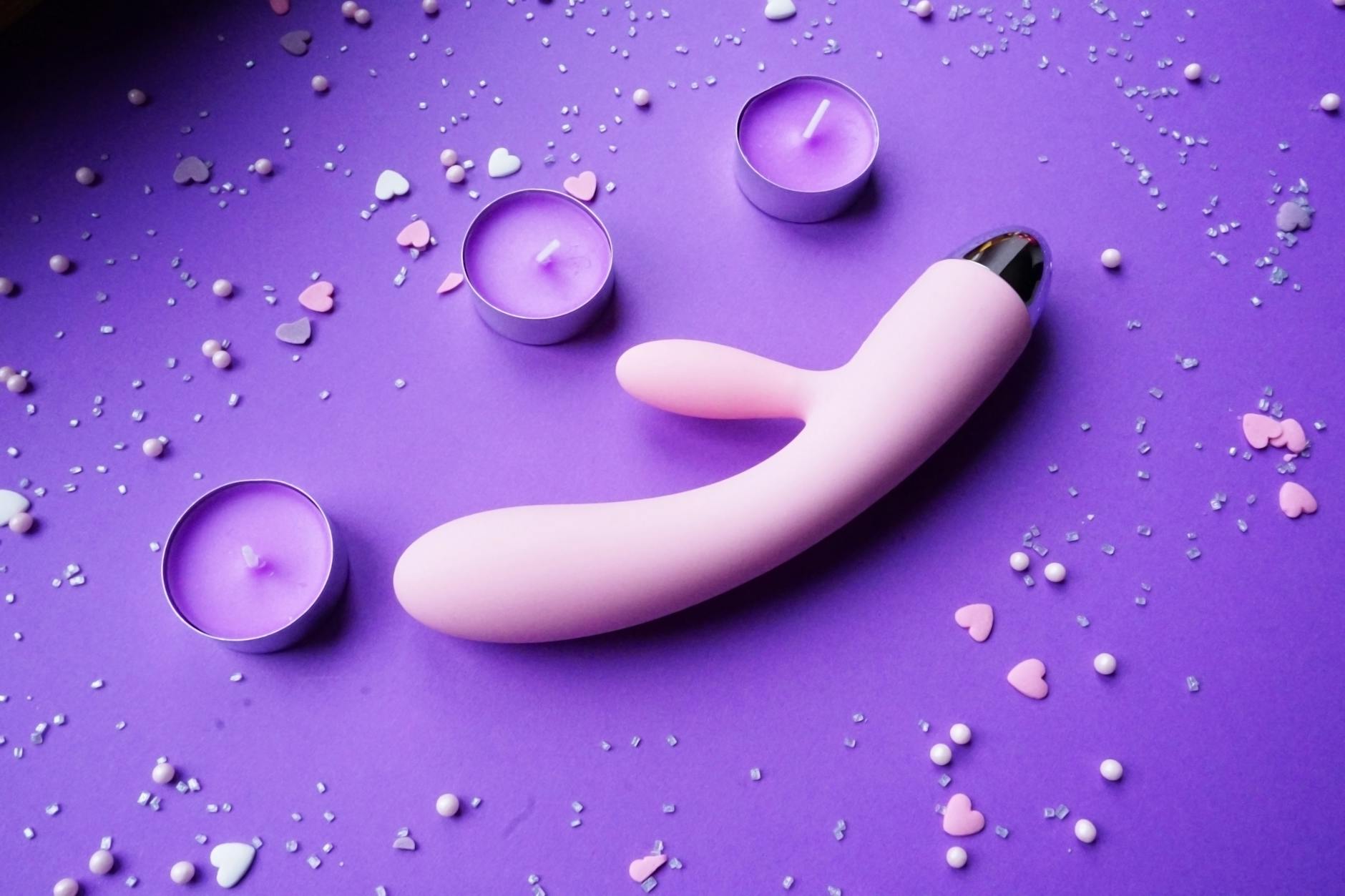
Here's where tools like the Lem come in. A lemon clitoral vibrator does three important things for someone in this position.
First, it removes the performance pressure. With a partner, there's often an unspoken expectation: you should be in the mood, you should respond quickly, you should get there in a predictable way. A vibrator lets you explore your own timeline. You're not performing. You're investigating. That distinction changes everything.
Second, it provides consistent stimulation without fatigue. A partner's hand gets tired. Your arousal rhythm might be slow and meticulous. A lemon sucker vibrator maintains the pressure and pattern you need without variation. You can relax into it.
Third, it gives you data about what your body actually wants. Aging bodies have different preferences than younger bodies. Intensity tolerance shifts. Speed preferences change. Sensitivity in specific zones evolves. Using a toy solo first means you learn your own landscape before trying to communicate it to someone else.
The ritual that restores desire
Here's what I recommend to most of my clients who've noticed libido decline:
Create a separate practice from partnered sex. Not instead of. Alongside. One or two times a week, give yourself 20 to 30 minutes when you're not tired and not rushed. No pressure to orgasm. No goal except to notice what feels good.
Start with your lemon vibrator on the lowest setting. Explore. Spend 10 minutes just noticing sensation without chasing anything. This is about rebuilding the channel between your brain and your body. Desire is largely a neurological event. You need to rebuild that pathway.
After a few weeks of this, most people notice something shifts. Desire doesn't return in its old form. It returns as something slightly different. Slower to ignite, but often deeper. More responsive to emotional intimacy rather than visual cues. Bonded to context and feeling rather than spontaneous.
This is not a downgrade. This is evolution.
Talking to your partner about what's changed
If you're in a partnership, the conversation matters more than the vibrator.
Avoid the trap of: "I'm not attracted to you anymore." Or: "My libido is just gone." These statements hide the real information. What's actually true is usually more like: "I feel disconnected from you." Or: "I'm too stressed to access pleasure right now." Or: "I need more time and touch before sex feels good."
Your partner needs to hear the second version. The first version sounds like a referendum on them. The second version is data they can work with.
If your partner is also aging, their desire landscape has shifted too. Their body responds differently. They might need longer warm-up time, different kinds of stimulation, or emotional connection before physical touch registers as desire. You're not on opposite sides of a problem. You're both navigating the same age-related physics in different bodies.
Using the Lem alongside your partnership
If you're exploring solo first, eventually the question becomes: how does this integrate with partnered sex?
Some couples find that solo play is completely separate from partnered intimacy. Others find that introducing a lemon vibrator into partnered sex changes the dynamic in useful ways.
If you go that route, communication is everything. "I want to use this with you" is not the same as "I need this because you're not enough." The first is exploration. The second is criticism. Your partner needs to hear the first thing very clearly.
Many partners, especially as they age, find that having a clitoral vibrator involved actually makes partnered sex better. It can take the pressure off them to produce your orgasm. It can free their hands to focus on other kinds of touch. It can make the whole experience longer and less goal-focused.
When to reconsider medication or hormones
If your libido has completely vanished and none of this resonates, it's worth checking in with a GP who specializes in aging and sexuality. Sometimes low testosterone or estrogen truly is the culprit. Sometimes it's thyroid function. Sometimes it's your antidepressant. These are fixable conversations.
But most of the time, when someone says "I've lost my libido," what they mean is "I've lost touch with my desire." Those are different problems requiring different solutions.
FAQ
Does libido really come back as you age?
It depends what you mean by come back. It rarely returns in its original form. Most people describe it as shifting into something slower to ignite but potentially more responsive to emotional connection. If you rebuild the habit of pleasure and address the life stressors that are muting desire, most people find their libido returns as something different but equally satisfying. The key is patience and permission.
Can a lemon vibrator actually restore libido that's been gone for years?
A vibrator is a tool, not a magic fix. What it can do is remove barriers to pleasure. If low libido is primarily about stress or disconnection, a toy won't fix that alone. But if it's about your body responding more slowly or needing different kinds of stimulation, a lemon clitoral vibrator can help you rediscover what sensation feels good. Pairing that with stress reduction and emotional connection to your partner makes it exponentially more effective.
Is it normal for libido to decline after 50?
Yes. The speed of arousal typically slows. The amount of stimulation needed often increases. But desire itself doesn't have a retirement age. What changes is the context. If you're in a stable relationship without much novelty, if you're stressed, if you're not sleeping well, if there's unresolved conflict, libido will flatten. These are addressable factors. Aging creates conditions. Life circumstance determines the actual experience.
Should I be using a lemon vibrator alone or with my partner?
Start alone. This gives you information about your own body without the pressure of partnered sex. Once you understand what you need, you can decide if involving your partner makes sense. Some people find solo play completely separate from partnered sex. Others integrate it. Both are valid. The tool itself doesn't determine the answer. Your comfort and your relationship do.
How long does it usually take to rebuild libido with a vibrator?
Most of my clients notice shifts within 2 to 4 weeks of consistent solo exploration. That doesn't necessarily mean their libido is fully back. It means they've reestablished the channel between their brain and their body. From there, other factors matter: stress reduction, sleep quality, emotional intimacy with a partner if applicable, and managing any underlying health conditions. The vibrator is the beginning, not the whole solution.
Can aging affect how a lemon sucker vibrator feels?
Absolutely. Tissue sensitivity changes. Pressure tolerance shifts. What felt intense at 30 might feel uncomfortable at 60. What barely registered at 30 might be exactly right now. This is why solo exploration first is valuable. You learn your new landscape before expecting a partner to navigate it blind. Most people find they need lower initial intensity and longer warm-up time, but the capacity for deep pleasure often increases.
The real story about desire and age
Aging is not the enemy of sexuality. Aging is the enemy of assumption. You get to age and keep discovering what pleasure means to you. Your body gets older. Your capacity for meaning gets richer.
Libido might shift. It might be slower or quieter or more dependent on emotional connection. It might surprise you by showing up differently than it did before. But it's still there. The wiring is still there. The only question is whether you're willing to listen to what your body is asking for now and give it permission to have what it wants. A lemon vibrator is just a tool for that conversation. The conversation itself is everything.