Let's be real about what depression does to desire
Depression doesn't just make you sad. It disconnects you from your body. Pleasure becomes inaccessible. Not because you're broken. Because depression literally mutes the brain's reward systems. Your libido doesn't disappear from prudishness or lack of love. It disappears because your nervous system is stuck in survival mode.
Then treatment kicks in. Therapy helps. Medication stabilizes. And one day you realize you want to feel something again. That's a good sign. It's also completely disorienting.
The gap between wanting desire and feeling it
Here's the contradiction nobody talks about: recovery creates urgency around pleasure at the exact moment when your body feels like a stranger. You logically know you should want sex again. But the physical sensation of arousal feels foreign. Or numb. Or overstimulating. Sometimes all three at different moments.
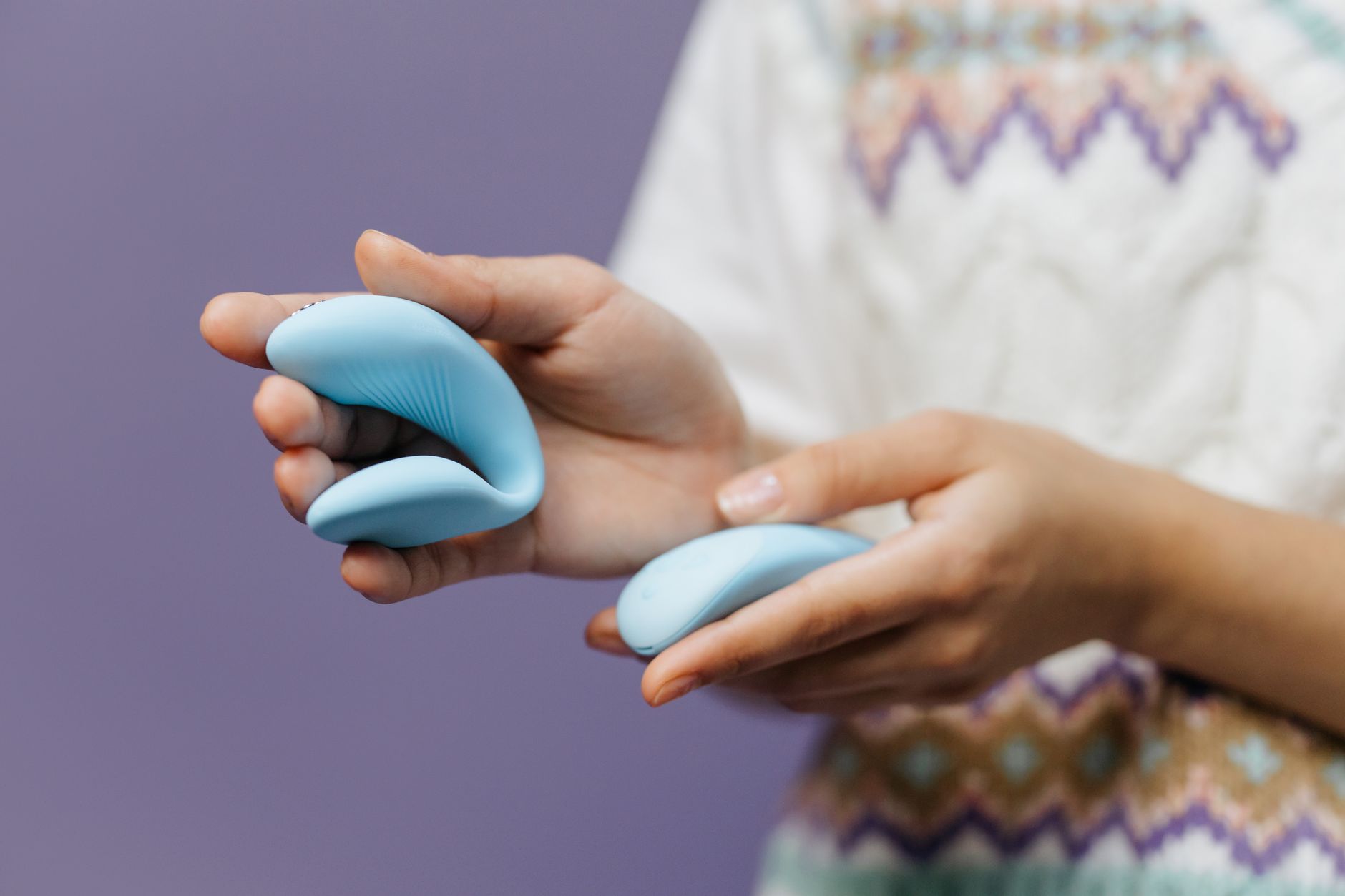
That's where a lemon clitoral vibrator changes the dynamic. Not because toys are magic. But because reintroducing pleasure after depression needs structure, gentleness, and a tool that lets you control every variable. The Lem's suction technology is particularly useful here because it works without requiring the direct friction that can feel jarring or too intense when your nervous system is still recalibrating.
Why suction works when you're coming back from depression
When you're depressed, the nervous system stays in the parasympathetic state for too long. When you recover, it swings the other way. Everything can feel overstimulating. Sudden touch. Loud noises. Sensations that used to feel good now feel like static.
Suction stimulation bypasses that. It builds arousal gradually without the shock of direct contact. You control the intensity. You choose when to increase it. Most importantly, you can stop instantly without that residual overstimulation that lingering touch can create.
Most people report that suction-based tools like the Lem feel less jarring and more meditative than traditional vibrators when they're rebuilding after depression. That matters because coming back to pleasure shouldn't feel urgent or pressured. It should feel safe.
Starting from zero: the first few sessions
Think of this like physical therapy for pleasure.
First time: Use it on the lowest setting (pattern 1 or 2) for 3 to 5 minutes. Don't aim for an orgasm. You're not there yet. You're just reacquainting yourself with what stimulation feels like now. Your body will be different post-depression. Maybe more sensitive. Maybe less. You're gathering data, not chasing a goal.
Use lube. Even if you never needed it before. Depression and certain antidepressants (SSRIs especially) affect lubrication. Water-based lube makes the experience smoother and takes pressure off your body to perform. It's not a sign of brokenness. It's a tool.
Second time: Try a different pattern or go slightly higher. Notice what feels different. Keep sessions short. Five to ten minutes. You're building tolerance and retraining your nervous system that pleasure is safe.
After three or four sessions: If you're feeling more comfortable, extend slightly. Maybe aim gently toward an orgasm. Or don't. Orgasms aren't the goal right now. Sensation is.
The mental part matters more than you think
Bodies coming back from depression often carry shame. The shame of having "lost" desire. The shame of needing a tool. The shame of not being "normal" yet. That shame lives in your nervous system and blocks arousal more effectively than any physical barrier.
That's why using a clitoral vibrator alone, with full permission to stop anytime, is clinically useful. It separates pleasure from performance. You're not trying to satisfy a partner. You're not meeting expectations. You're gathering evidence that your body still works. That desire is returning. That pleasure is available to you again.
Talk to yourself the way you'd talk to a friend recovering from illness. Gently. Patiently. "My body is learning again. That's okay. I have time."
When to add a partner back in (if that's part of your life)
Solo exploration with a lemon sexual toy isn't the endpoint. But it shouldn't be skipped either. Most couples I work with find that rebuilding intimacy after depression works better when the recovering partner has already established their own baseline of comfort with their body and arousal.
Once you've had several solo sessions and feel less disconnected from sensation, you can introduce a partner. Start the same way. Lower intensity. Shorter sessions. Emphasize that you're learning together what your body needs now. Some people find it helpful to use the Lem with a partner present but not engaged. Just having that support matters.
What antidepressants might have changed
If you're on SSRIs (which are the most commonly prescribed), they likely flattened orgasm intensity, delayed arousal, or reduced lubrication. That's not permanent damage. It's a medication side effect. As your system restabilizes and your body adjusts, sensation often returns more fully than you'd expect.
If you're switching medications or tapering, your body might shift. That's worth communicating with your psychiatrist. Sometimes small dose adjustments or timing changes help without losing the mental health benefits.
The lemon vibrators from Get Lem Official are designed to work for bodies in transition, including those navigating medication changes. Suction stimulation is particularly effective because it doesn't rely on the same neural pathways that antidepressants flatten.
The timeline is yours alone
You might feel desire returning within weeks. You might need months. Both are normal. Recovery isn't linear. You might have a session where everything feels accessible, then a session where numbness returns. That's not failure. That's how the nervous system works.
Keep using the tool. Keep being patient with yourself. The goal isn't to "get back to normal." It's to build a relationship with pleasure that works for your current body and brain.
When to reach out for more support
If three or four weeks of consistent gentle exploration don't shift anything, talk to your therapist. Sometimes depression leaves physical traces like pelvic floor tension or vaginismus that benefit from pelvic floor physical therapy. Sometimes medication adjustment helps. Sometimes working with a sex therapist trained in trauma and recovery shifts things that solo tools can't.
You deserve support. A lemon clitoral vibrator is a useful part of rebuilding after depression. But it's not the whole answer. You're worth more than a solo tool. You're worth professional help, time, and patience.
You're not broken. You're recovering.
Desire will return. Not because you force it or because you use the right toy. But because you're taking your recovery seriously enough to be gentle with yourself. That matters more than any technique.
FAQ
How long after starting antidepressants should I wait before using a lemon clitoral vibrator?
Wait until your mood has stabilized and you feel even a small shift in numbness. That's usually 4 to 6 weeks into treatment. Starting too early can feel frustrating because you're fighting both depression and medication side effects. Give your brain and body time to adjust first.
Can using a lemon vibrator make antidepressant side effects worse?
No. In fact, regular gentle stimulation often helps the nervous system recalibrate. The key is starting low and going slow. If you experience increased numbness after a session, you went too intense too fast. Dial it back. Shorter sessions. Lower patterns. Your body will tell you what it needs.
Is it normal to not feel much sensation when I first start using the Lem after depression?
Completely normal. Depression numbs. Antidepressants can also delay sensation. You're not broken. Your body is recalibrating. Keep sessions gentle and short. Sensation usually returns within a few weeks of consistent, low-pressure exploration.
Should I tell my therapist I'm using a lemon adult toy to rebuild desire?
Yes, if you have that kind of relationship with your therapist. It's clinically relevant information. A good therapist will see it as part of your recovery toolkit, not something to be embarrassed about. If your therapist judges you, that's a sign to find a different therapist.
What if I feel worse emotionally after using a clitoral vibrator?
That can happen if you're pushing too hard or if shame is still loud. Ease up. Use it only once a week instead of more often. Combine it with grounding practices like deep breathing or journaling. And talk to your therapist. Sometimes the emotions that come up during pleasure are connected to deeper recovery work that benefits from professional support.
Can I use a lemon sucker if I'm on multiple medications?
Yes. The Lem is medication-agnostic. That said, some medications (blood thinners, certain mood stabilizers) can affect sensation or arousal. If you're on multiple medications and feeling unusual numbness, ask your prescribing doctor. They can help you understand what's medication, what's residual depression, and what's your body just needing time.
One more thing
Recovery from depression is proof that you're resilient. Rebuilding desire is part of that resilience. You're not indulging. You're healing. That distinction matters. Show yourself the same kindness you'd show anyone coming back from illness. You deserve it.
If you're struggling with the mental or emotional side of rebuilding after depression, connect with a therapist here. And if you have questions about the Lem or how it works for different bodies, we're here.