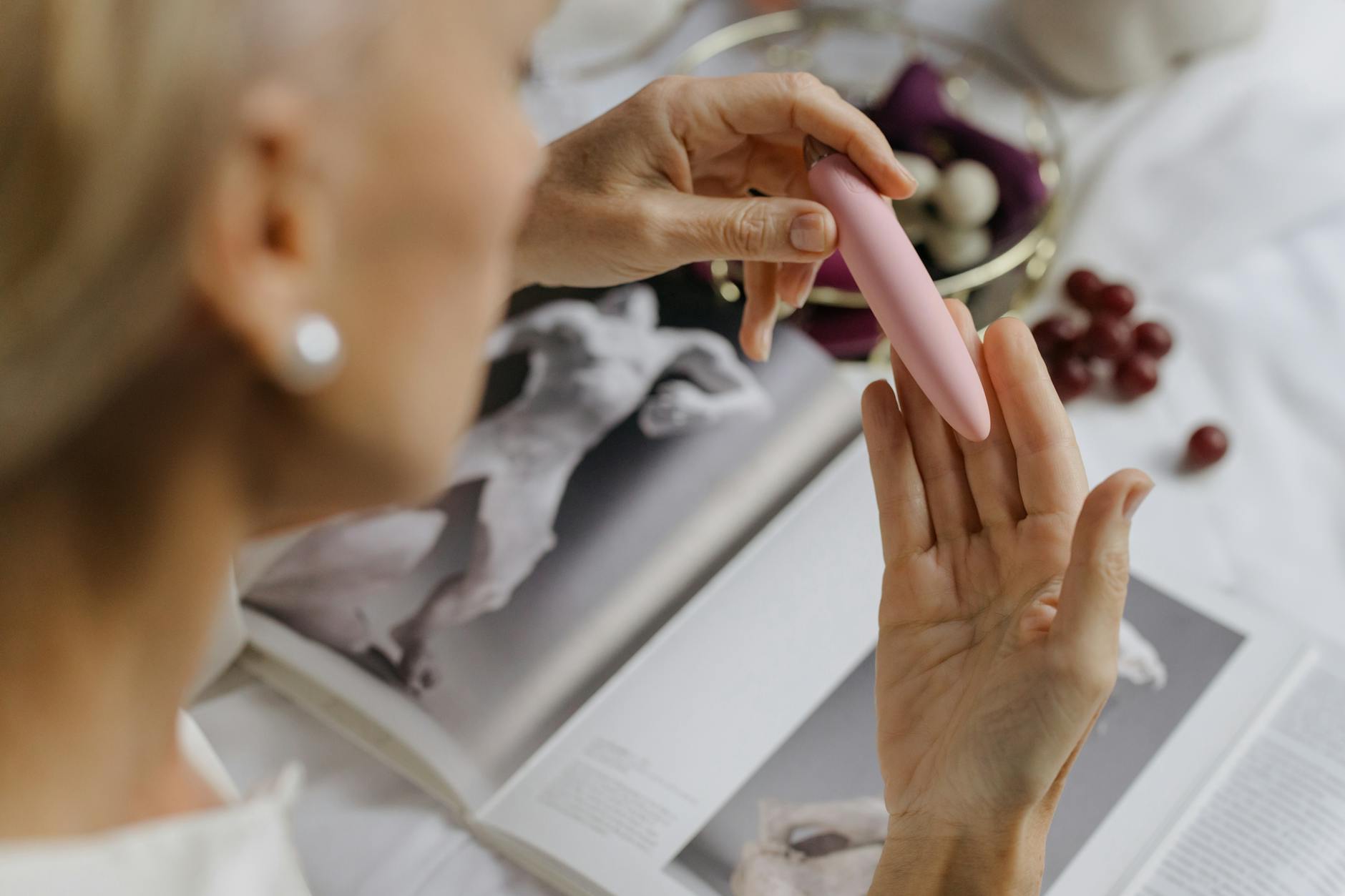
The Gap Nobody Talks About
Let's be real. You can love someone deeply and still feel zero sexual pull toward them. You can have great conversations, laugh at the same jokes, and feel completely emotionally safe, and your body still won't respond. That contradiction is one of the most confusing things that happens in long-term relationships, and almost nobody talks about it clearly.
This isn't about low desire. It's about desire and intimacy running on separate tracks. One person's touch doesn't light you up anymore, even though their presence in your life means everything. It's not a betrayal. It's not a sign the relationship is over. It's actually a very specific problem with a very specific path forward, and a lemon clitoral vibrator can be a crucial part of that path.
Why Physical and Emotional Intimacy Can Drift Apart
Most couples assume these two things live in the same bucket. They don't. Physical desire is neurological. Emotional intimacy is relational. You can have one without the other, and understanding that difference changes everything.
Here's what usually happens. Early in a relationship, novelty floods your nervous system with dopamine. Everything your partner does feels fresh. Over time, the novelty wears off. That's not a weakness in the relationship. That's neurobiology. What should happen next is that emotional intimacy deepens enough to create a different kind of pull. When that doesn't happen, you're left with someone you care about and a body that's gone quiet.
Other common culprits: unresolved conflict that sits just under the surface, the weight of household management or parenting, a partner who's stopped making an effort, or simply years of the same rhythm without variation. The desire doesn't vanish because you're losing love. It vanishes because the nervous system needs something new to wake up.
The Lemon Vibrator as a Reconnection Tool
Here's where a tool like the Lem comes in. It's not meant to replace your partner. It's meant to wake up your clitoral response so that when your partner touches you, your body remembers how to answer.
When desire is asleep, rebuilding it usually requires two steps: first, reconnect with your own pleasure response in isolation. Then, bring that reconnected pleasure back into the shared space. A lemon clitoral vibrator is the most effective tool for step one because the suction and pulse pattern are precise enough to cut through numbness that penetration or fingers can't reach.
Use the Lem on patterns 1-3 for 10-15 minutes, alone, without any pressure to orgasm. The goal isn't climax. It's sensation. You're teaching your nervous system that touch still feels good. You're proving to your body that responsiveness is still available. After 5-7 days of solo use, your baseline sensitivity starts to shift.
The Conversation You Need to Have First
Before you bring a lemon vibrator into the shared space, you need to talk to your partner. Not during sex. Not when either of you is defensive. Sit down at a time when you both have space to listen without agenda.
Here's what matters to say: "I notice I haven't felt sexually connected to you lately, and I know you've noticed too. I don't think it's about how I feel about you. I think something in me got turned off, and I want to turn it back on. I'm going to spend some time using a vibrator on my own to wake up my body. I'm telling you this because it's not secret. It's part of fixing us."
That sentence does three things. It names the problem without blame. It clarifies that it's not about them. It invites them into the solution. Most partners respond with relief when they understand you're trying to fix the problem, not proving it exists.
Bringing It Into Partnered Time
Once you've had that conversation and spent a week or so reconnecting solo, the next step is to use the Lem in the presence of your partner, without expectation of intercourse.
Start with foreplay. Your partner touches you the way they usually do. You notice if your body responds. Then, when you feel like the response is plateauing, use the Lem for 3-5 minutes while they touch the rest of your body. Not instead of them. Alongside them. This does two crucial things: it reteaches your body that their touch plus clitoral stimulation equals arousal, and it shows them exactly what wakes you up.
Many couples find this phase liberating because it removes the pressure of the partner having to "do" the arousal alone. The Lem does what fingers can't do reliably, and your partner gets to be present and creative everywhere else.
Adjusting for Different Timelines and Needs
One thing I see frequently: one person in the relationship is ready to rebuild and the other is still in the blame phase. If your partner is resentful that desire disappeared, they might resist tools that suggest "this is a process" rather than "just want me again."
If that's happening, you might need to do one or two sessions with a couples therapist before the vibrator conversation even makes sense. A professional can help separate the question "Are we fundamentally incompatible?" from "Did we let this part of our relationship atrophy?" Once that's clear, the physical tools work so much better.
For partners with truly mismatched recovery timelines, the Lem also means you're not sitting in sexual deprivation while your partner finds their way back. You can access pleasure independently, which actually reduces the pressure on them and makes the whole process faster.
The Sensitivity Question
Sometimes desire disappears because responsiveness has changed. Hormones shift. Medications numb sensation. The clitoris itself becomes less reactive. This is especially true if you've been in the relationship for 10+ years or if you're navigating menopause or antidepressants. If you're recovering from antidepressants and clitoral numbness, there are specific strategies that help.
When sensitivity is the bottleneck, a lemon clitoral vibrator is genuinely superior to fingers or penetration because the suction stimulates nerve endings that manual pressure can't reliably reach. You're not trying harder. You're stimulating different pathways. That's why so many people report that the Lem wakes something up that they thought was permanently gone.
Moving From Tools to Trust Again
The real work happens in the conversation and the commitment to presence. The Lem is the accelerant, not the fix itself. What actually rebuilds desire is a partner who shows up, who's willing to change rhythm, who admits their own role in the drift, and who's present while you reconnect.
If your partner won't engage in that process, if they treat the vibrator as a threat or use it as proof that you don't want them, that's a different problem. That's a relationship problem that no tool can fix. But if both of you are willing to say "we let this slide and we want it back," a lemon vibrator becomes a really practical way to teach your body and your partnership how to want each other again.
Common Questions About Rebuilding Desire With a Partner
Will using a vibrator make me want my partner less?
No. The opposite, actually. When your clitoral response wakes up in solo play, you have more sensation available in partnered time. You're not comparing your partner to fantasy. You're literally expanding your capacity for pleasure, so when they're in the room, more of you is available.
What if my partner is offended by the vibrator?
That offense usually hides something else. Insecurity that they're not enough. Worry that you're losing interest. A feeling that things should just work without tools. Those are all valid feelings, and they deserve a conversation separate from the vibrator itself. Some partners come around once they see it working. Some need to understand that desire sometimes requires scaffolding, and that's not a flaw in the relationship. It's honesty.
How long does it usually take to rebuild desire after disconnection?
When both people are engaged, 4-8 weeks. Solo work plus partnered work plus conversations. It's not instant, but it's actually much faster than most couples expect. The key is consistent use and honest communication about what you're noticing in your body.
Can we use the Lem together every time we have sex?
Absolutely. There's no "graduating" away from tools. If the Lem works, use it. If it becomes your primary way of accessing pleasure together, that's smart, not lazy. The goal is pleasure and connection, not proving you can do it without help.
What if desire comes back but feels different than it used to?
It will. You're older. Your bodies are different. The relationship has a history now. The desire that rebuilds isn't the same as the early rush. It's deeper. It's more intentional. That's not worse. Most couples find it more satisfying because it's built on choice, not just neurochemistry.
Should we see a therapist while using the vibrator to rebuild?
Not necessarily. But if there's unresolved anger, if one partner feels rejected, or if you don't know how to talk about sex without defensiveness, therapy makes the whole process faster. A good couples therapist creates the space where you can be honest about what's not working. That honesty is what lets the tools actually do their job.