
Orgasm after fifty is a different animal entirely
Let's be real: nobody tells you this part. The narrative around pleasure and aging is either "use it or lose it" (panic-inducing) or "you're still sexy" (condescending). Both miss what's actually happening in your body after fifty. Orgasm doesn't disappear. It transforms.
The nervous system changes. Blood flow patterns shift. Hormone levels settle into a new baseline. But here's the part they don't mention: many of my clients report that their most intense, sustained orgasms come after fifty, not before. This isn't luck or exceptional anatomy. It's neurology and permission working together.
Why your nervous system is actually better at pleasure now
After fifty, your vagus nerve (the main highway for sensation and arousal) has decades of mapped neural pathways. Your brain knows what pleasure feels like. You're not learning the map anymore. You're optimizing the route.
Three specific shifts happen:
First, your ability to distinguish subtle sensation improves. You're more attuned to micro-variations in pressure, rhythm, and intensity. A lemon clitoral vibrator's precision suction becomes an asset, not just a novelty. Younger bodies sometimes miss the nuance because they're too busy processing novelty.
Second, your pelvic floor has spent fifty years integrating pleasure and tension. Once you learn how to relax it intentionally (something that takes time), orgasms can feel wider, deeper, more expansive. They're less like a sprint and more like a sustained wave.
Third, your prefrontal cortex has finally figured out how to get out of the way. The self-consciousness that dominates pleasure in your twenties and thirties softens. You're less likely to performance-monitor yourself. Your brain stops running commentary.
Why touch alone often isn't enough anymore
Here's the biological truth: clitoral tissue thins slightly after menopause. Sensitivity doesn't disappear, but the kind of stimulation that worked for decades might need adjustment. Direct manual friction can feel overstimulating or numbing. This isn't failure. It's information.
A lemon vibrator (and specifically, the suction-based design of air-pulse technology) solves this in a way fingers simply can't. Suction distributes pressure across a wider area of tissue, which means you get intense sensation without the mechanical wear that can cause fatigue or soreness.
The Lem vibrator works by creating micro-pulses of suction and release. Your clitoris has about eight thousand nerve endings, and the Lem activates them differently than traditional vibration. Instead of a side-to-side tremor, you're getting a gentle pressure wave. For tissue that's become more sensitive to direct contact, this is often a game-changer.
I've had clients describe it as "finally finding the volume button that actually works for my body."
The warm-up window changes too
Arousal builds differently after fifty. If you're used to five-minute warm-ups, expect fifteen to twenty now. This isn't a setback. It's an invitation to something better.
Longer arousal means deeper blood flow to the clitoris, fuller tissue expansion, and more time for your nervous system to settle into parasympathetic mode (the relaxed state where orgasm becomes possible). Rushing through warm-up is like trying to brew tea with cold water. Time matters.
Use this window strategically. Start with a lower pattern on the Lem—usually pattern 1 or 2. Let your body acclimate to the sensation for a few minutes before increasing intensity. This pacing actually creates stronger orgasms because your nervous system isn't being shocked into fight-or-flight. You're building arousal incrementally.

Photo by cottonbro studio on Pexels
Solo pleasure after fifty looks different in the best way
After decades of partnered sex, many people discover solo play for the first time post-fifty. There's no performance pressure, no managing someone else's experience, no schedule but your own. This freedom alone changes everything.
With a lemon clitoral vibrator, you have total control over tempo, intensity, and duration. You can spend forty minutes slowly building sensation, pause when you want, restart whenever. You can experiment with angles, pressure levels, and rhythms that would feel impossible or awkward with a partner.
Many of my clients report that solo sessions with the Lem become a form of meditation. Not in a spiritual sense, but in the sense that you're fully present, fully attuned to your own body, without external stimulus or expectation.
If you're returning to solo play after monogamy, give yourself permission to take time. The first few sessions might feel awkward or ineffective. That's normal. Your nervous system is recalibrating. By session three or four, most people find their rhythm.
Lube becomes your second essential tool
After fifty, vaginal tissue is naturally less lubricated. This isn't broken. It's just a change. Water-based lubricant makes a measurable difference in comfort and sensation.
I recommend applying lube directly to the Lem's opening and to your external genitalia before you start. Let it sit for a moment so it warms slightly. This reduces friction and allows the suction sensation to feel smooth rather than sticky.
One counterintuitive thing: more lube often means better sensation, not worse. When tissue is well-lubricated, the pressure changes from your vibrator are transmitted more effectively to the nerve endings underneath. It's not masking sensation. It's clarifying it.
Avoid silicone-based lubes if you're using a silicone toy (like the Lem). Silicone lubes degrade silicone toys over time. Stick with water-based options. Keep a bottle next to your bed. Make it routine.
The pelvic floor paradox after fifty
Here's something counterintuitive: your pelvic floor probably needs less tension, not more, after fifty. Kegel exercises are helpful for tone, but they're not the whole picture.
Many people over fifty develop excessive pelvic floor tension (hypertonic pelvic floor dysfunction) without realizing it. You tighten your pelvic floor to "engage" during sex, then you can't fully relax it afterward. This creates a ceiling on orgasm intensity and duration.
Before using your Lem, spend two minutes deliberately relaxing your pelvic floor. Imagine a gentle breath moving down through your pelvis and softening everything. Some people find it helpful to do a reverse Kegel. Instead of squeezing, you're thinking about "releasing down and out."
Once you're relaxed, use the vibrator. Notice whether you're instinctively tensing as arousal builds. If so, practice releasing instead. This awareness alone often produces stronger orgasms within a few sessions.
When to involve a partner
If you have a partner and you're exploring the Lem for the first time, consider a solo session or two first. You want to know your own response before introducing someone else's presence.
When you're ready to include a partner, the conversation matters more than the mechanics. "I want to explore something that feels better for my body" is different from "my fingers aren't enough anymore." The first is about you. The second sounds like criticism.
Many partners find it intensely exciting to watch. Some want to hold the Lem. Others prefer to focus on other kinds of touch while you lead the clitoral play. Let your partner follow your cues about what helps versus what distracts.
If your partner is uncomfortable with the idea, that's separate from whether you should pursue it. Your pleasure matters independently of their comfort. Navigating that conversation is worth the effort. You might find that when partners struggle with intimacy after kids, introducing tools like a lemon vibrator can actually rebuild connection.
Pain is always a signal to pause
After fifty, sharp or burning pain during pleasure is your body's way of saying something needs adjustment. Don't push through it.
If the Lem feels uncomfortable, try a lower pattern first. If that doesn't help, add more lube. If you're still having pain, take a break for the day. Your nervous system might just need recovery time.
Persistent pain during use is worth mentioning to a gynecologist. Sometimes it's a sign of genitourinary syndrome (tissue thinning), sometimes it's pelvic floor tension, sometimes it's something else entirely. A provider can actually help, especially one familiar with pleasure and aging.
The rhythm that works for you probably isn't the one on the box
The Lem has multiple patterns. Most people assume they should experiment with all of them. Often, you'll find one or two that work best for your nervous system and stick with those.
Pattern 1 (gentle, steady suction) works for many people over fifty because it's less intense and more meditative. Patterns 3-5 are stronger. There's no "correct" pattern. Your body will tell you what feels right.
Many clients find that they prefer a single pattern for twenty minutes rather than constantly changing. Consistency lets your nervous system settle deeper into arousal. Variety can sometimes jolt you back into performance mode, which is the opposite of what you want.
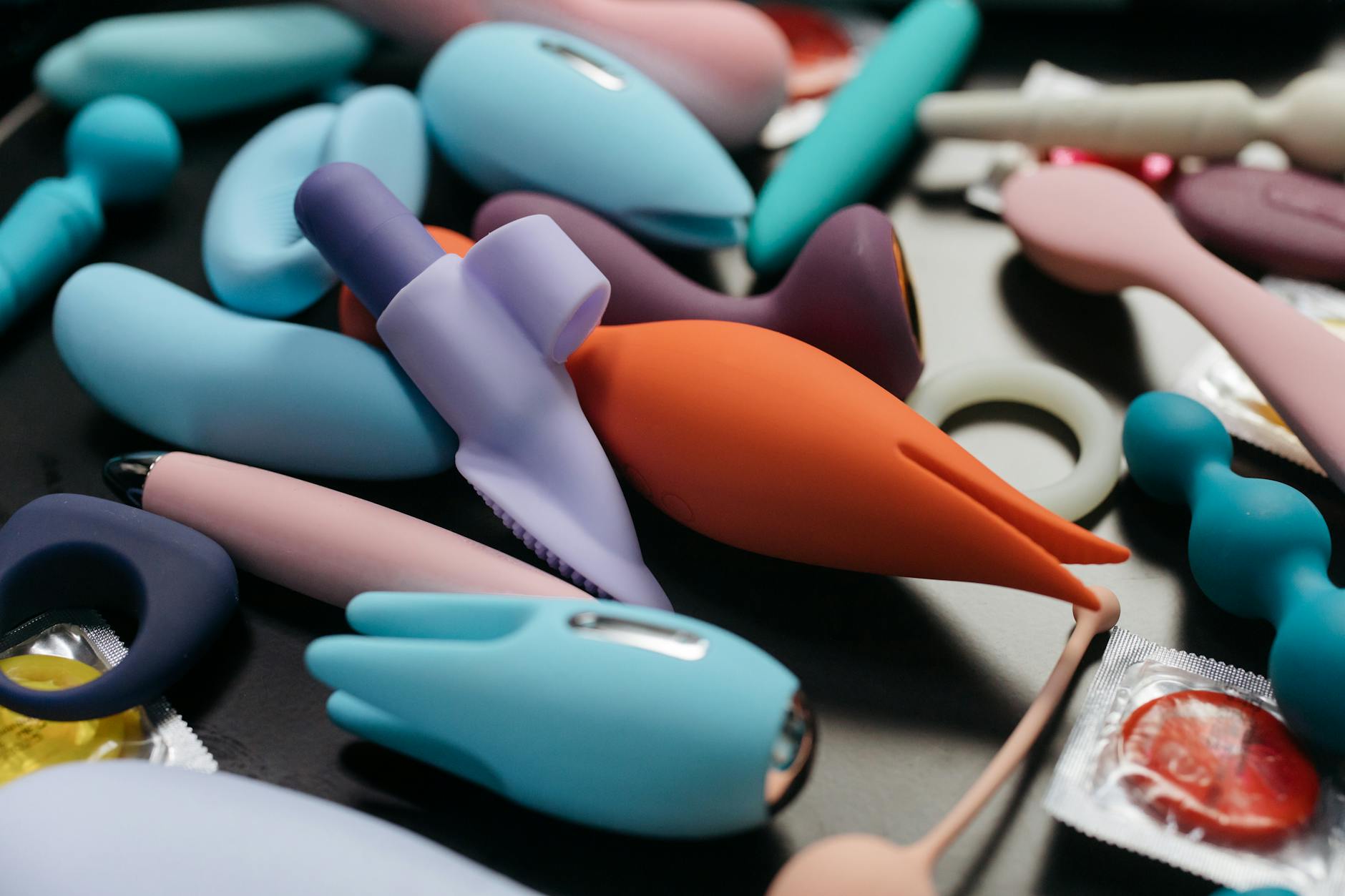
Photo by cottonbro studio on Pexels
The orgasm itself might surprise you
Orgasm after fifty often feels different. Some people describe it as longer and quieter. Some describe it as waves instead of peaks. Some experience multiple orgasms in a way they didn't before.
There's no "correct" orgasm. What matters is that it feels good and comes from your body's actual response, not from what you think an orgasm should look like.
If you're not reaching orgasm in the first few sessions with the Lem, that's not failure. You're building a new skill. Your nervous system is learning a new pathway to pleasure. Give yourself at least five sessions before deciding whether something is working.
FAQ: Your actual questions about the Lem after fifty
Can I still have orgasms after fifty if I haven't had them easily before?
Yes. Orgasm is learnable at any age. After fifty, you often have more self-knowledge, less performance anxiety, and better body awareness than you did at thirty. Those are all assets. If you've struggled with orgasm for decades, the combination of a lemon vibrator and a slower, more intentional approach sometimes opens a door that nothing else could.
How often is it safe to use the Lem if I'm over fifty?
Daily use is fine. Your clitoral tissue won't wear out. What matters is comfort and recovery. If you're sore after a session, take a day off. Most people find that daily use (if desired) is safe and sustainable over months and years. Think of it like any other muscle. Consistent, moderate use is healthy.
Will using a vibrator make it harder to orgasm without one later?
This is one of the most persistent myths. Your nervous system doesn't "get used to" vibration in a way that breaks non-vibratory pleasure. What actually happens: you learn a new pathway to arousal, and your brain remembers it. You can still access other pathways. You just have options now.
Is a lemon vibrator different from a traditional vibrator for someone over fifty?
Yes. The suction-based design of the Lem (and other air-pulse vibrators) distributes pressure more widely than traditional buzzing vibrators. For tissue that's become more sensitive to direct stimulation, this often feels better and creates less fatigue. If you've tried traditional vibrators and found them too intense, the Lem's gentler suction approach might be worth trying.
What if I have a partner and they feel threatened by the Lem?
That's a relationship conversation, not a pleasure conversation. Your partner's insecurity is real, and it's also separate from your body's needs. A good partnership leaves room for your pleasure to evolve. If your partner refuses to budge on this, that's information about the relationship itself worth exploring, maybe with a couples therapist.
How do I clean and care for the Lem so it lasts?
Rinse with warm water and gentle soap immediately after use. Let it air-dry completely before charging. Don't submerge it fully in water despite what you might have heard. The charging port is sensitive. Store it in a cool, dry place. With basic care, the Lem will last for years.
The takeaway
Orgasm after fifty isn't a footnote to your sexual life. It's a chapter with its own intensity, depth, and possibility. Your body has changed, yes. But those changes come with advantages: decades of knowing what you like, permission to prioritize your own pleasure, freedom from fertility concerns, and often freedom from performance pressure.
A lemon vibrator is a tool that matches your body as it actually is now. Not as a substitute for what came before, but as an upgrade tailored to how your nervous system works today. Most people who try the Lem after fifty find that it opens something they thought was closed. You might be next.
Ready to explore? Get in touch with us if you have questions about finding the right tool for your body.