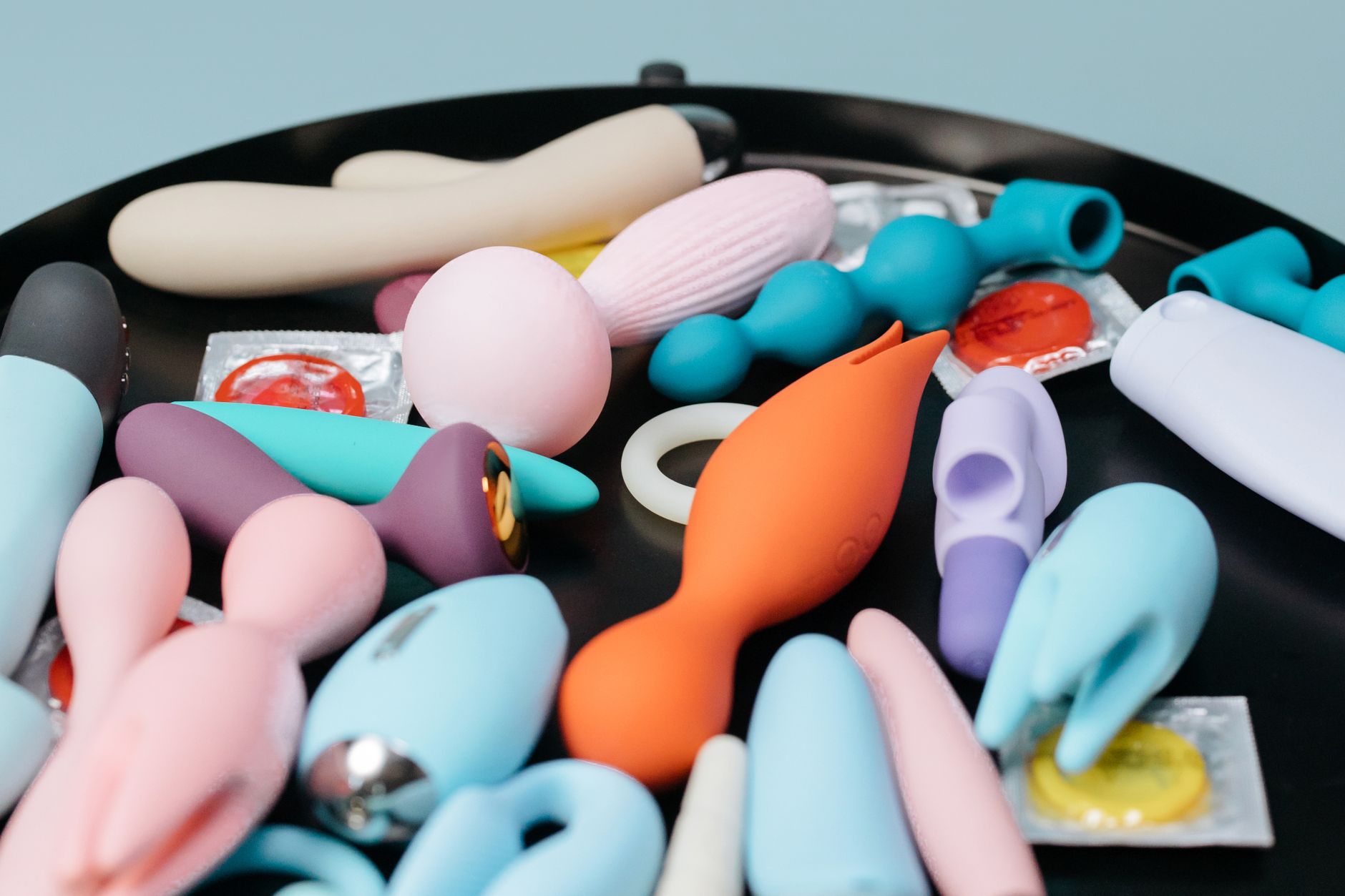
Here's the thing about new relationships and toys
The early months with a new partner are vulnerable enough. Adding a vibrator to the mix feels like it could either kill the mood or make things weird. Spoiler: it doesn't have to. In fact, couples who introduce toys early report higher satisfaction, better communication, and less sexual shame overall.
I'm not saying you hand them a lemon vibrator on the second date. But if you're sleeping together regularly and thinking about going deeper, this is actually the perfect time to open that door.
Why a new relationship is the right time
There's a window. Early on, before patterns calcify and assumptions lock in, you and your partner are already learning each other's preferences. You're asking questions, experimenting, figuring out rhythm and touch. Introducing a toy isn't an interruption to that process. It's part of it.
Without the weight of years of "this is how we do it," a new partner is often more open to trying things. You both have less ego invested. And critically, you get to set the tone together from the start. Research shows couples who normalize toys early build better sexual communication across the board.
The lemon vibrator, specifically, has an advantage here. It's not intimidating. It's playful. The design reads as approachable, which makes the conversation easier.
The conversation before the toy
Don't lead with the vibrator. Lead with curiosity.
"I've been thinking about what makes sex feel good for me," is a sentence that opens doors. "And I'm curious what you've tried before" is the follow-up. Listen. Actually listen. Many people have used toys before or thought about it. Some have never considered it. Neither answer is wrong. You're gathering information, not pitching.
Once you know where they stand, you can move to specifics.
"I've been interested in trying a clitoral vibrator. Would you want to explore that together?" That's it. Direct, low-pressure, collaborative.
If they say yes, explain what it does and why. "It's not replacing anything about us. It's about me understanding my own body better. And having you there makes it feel intimate instead of solo." That framing matters. It's not "you're not enough." It's "I want to know myself better, and I want you here for it."
If they hesitate, don't push. Ask what feels scary. Usually it's one of three things: They think it's a rejection, they're worried about performance, or they've got outdated ideas about what sex "should" look like. A conversation beats a toy every time.
Why the Lem works specifically with a partner
Lemon vibrators and similar clitoral suction toys have a particular advantage in partnered sex. They don't require deep insertion or complex positioning. The sensation is external and controllable. Your partner can see what you're enjoying and adjust accordingly. That visibility builds connection instead of creating distance.
The Lem's size and shape also mean it doesn't dominate the space. It's not a prop that takes over. It's a tool that enhances what's already happening between you.
Setting the stage the first time
Don't make it a production. This isn't a special occasion that needs ambiance. If anything, low pressure helps.
Start with foreplay as usual. When you're already aroused and comfortable, introduce the vibrator. "Want to try this now?" keeps it casual. No script, no ceremony.
Start at a lower setting. The first time you're using it with someone watching, with someone new touching you, sensations amplify. You want room to adjust. Patterns 1 or 2 on a lemon vibrator give you space to explore without overwhelming your body.
Let your partner see how you respond. This is where the magic happens. They learn what makes you react. You get to be unselfconscious about your pleasure. That feedback loop is what deepens intimacy.
What actually changes during partnered use
Your partner's touch becomes more intentional. When they're watching you respond to vibration, they're learning your body in real time. That knowledge makes everything slower, more present. The vibrator isn't replacing their hands. It's teaching them how your nervous system works.
You get to relax into sensation instead of performing. This sounds small but it's not. Many people, especially women, spend years managing their partner's experience of their pleasure instead of just having it. The vibrator gives you permission to focus inward.
Your partner often gets more aroused watching you enjoy yourself. This isn't guaranteed, but it's common. There's something deeply bonding about witnessing someone's pleasure without needing to produce it yourself. It takes pressure off them and deepens the whole experience.
Common worry number one: "Will they feel rejected?"
No, if you frame it right. The conversation matters.
"I want to explore what makes my body feel good, and I want you there for it." That's true and it's collaborative. "You're not enough for me" is rejection. "I want to know myself better and share that with you" is intimacy.
Include them in the choice of toy. Let them hold it, feel the weight, ask questions. Demystifying it removes the threat.
And then, when you use it together, show them how good it feels. Smile. Moan. Move toward them, not away. Your body language does the talking. If you look happy and connected, they'll feel it.
Common worry number two: "What if they want to use it on me wrong?"
Then you guide them. Gently.
"Try this pattern instead." "A little softer." "Yeah, right there." This isn't criticism. It's collaboration. Most new partners appreciate the direction. It takes guesswork out of the equation.
After a couple of times, they'll know. And then you get the bonus of a partner who knows exactly how to pleasure you with a tool designed for it.
Common worry number three: "What if they want to use it all the time and I want other things?"
Set boundaries now. "I love this, and I also want us to have sex without it sometimes." Balance is healthy. A vibrator should expand your options, not become the only way sex happens.
You're in control of frequency and context. State that clearly. "Once a week feels right for me" or "I love this when we have time to really explore, not when we're rushed" is perfectly reasonable.
Timing across the arc of your relationship
Introducing a toy in month three is different than month six. Early on, keep it simple and playful. Once you've built trust and routine, you can experiment with integration into different kinds of sex.
With a new partner, the goal isn't complexity. It's building a foundation where pleasure, communication, and curiosity are normal. The toy is just the vehicle.
When partners have different comfort levels
If your partner isn't ready, that's okay. But get curious about the timeline.
"Maybe in a few months?" is different than "never." If it's the former, you've got something to work toward together. If it's the latter, you need to know that sooner rather than later. Sexual compatibility matters, and part of that is openness to exploration.
Similarly, if you're not ready to use a toy with a partner yet, that's also fine. You don't have to rush. The conversation you have now plants a seed. It shows that sex is something you can talk about. That alone changes the relationship.
The bigger picture
Introducing a lemon vibrator to a new relationship isn't about the toy. It's about building a partnership where pleasure is discussed, curiosity is welcomed, and vulnerability is safe. Couples who can talk about sex comfortably have better sex, longer relationships, and less shame. The vibrator is just the conversation starter.
Your new partner doesn't need to be a perfect fit in every way. But they should be someone who can sit with you, listen, and explore together without defensiveness. If they can do that, the rest builds naturally.
FAQ: New relationships and clitoral vibrators
How soon is too soon to introduce a vibrator to a new partner?
There's no fixed timeline, but you want a foundation first. Six weeks to three months is typical. You should be comfortable with each other, have had a few intimate encounters, and have basic rapport. Too early and it can feel clinical or shocking. Too late and patterns become fixed. The sweet spot is when you're curious about each other but still establishing what you both like.
What if my partner thinks I want to replace them?
That fear usually comes from a lack of understanding about what vibrators do. They enhance sensation and give you different kinds of pleasure, not a substitute for human touch. The conversation is key: "I want to feel more, and I want you there for it." Show them through your actions that the vibrator brings you closer to them, not away. When you're more aroused and present, your partner benefits.
Can we use a lemon vibrator together if we've never used toys before?
Absolutely. In fact, new couples who experiment with toys together often find it easier than couples who are introducing toys years into a relationship. You don't have to unlearn anything. You're just learning together from the start. Start simple, communicate openly, and give yourselves grace as you figure it out.
What if they want to use it on me and I'm nervous about the intensity?
Start with the lowest setting and tell them to wait. Let your arousal build first. Nerves can make sensation feel sharper than it actually is. Once you're warmed up and comfortable, gradually increase intensity if you want to. You're in control. Remind your partner that you can pause or stop anytime, and mean it. Trust builds when boundaries are real.
Should we hide a vibrator from new partners, or bring it up immediately?
Don't hide it indefinitely, but you don't need to lead with it on date one either. When you're starting to have regular sex, that's when the conversation fits naturally. "I've been thinking about trying a vibrator" comes up during a normal conversation about preferences and curiosity. It's not a secret, but it's also not something you spring on someone without context.
What if my partner suggests using a vibrator and I'm not interested?
That's valid. You get to say no or "not yet." But get curious about their suggestion. Are they bored? Do they want to enhance sensation? Are they trying to introduce something they've enjoyed before? Understanding their motivation helps you decide if it's a hard no or a "maybe in time." Communication goes both ways. If they're wanting more exploration and you're not, that's worth discussing as part of your overall compatibility.