When stress is the libido killer, not your relationship
Let's be real. Your partner isn't the problem. Your body isn't broken. Stress is just sitting in your pelvis like an unwanted houseguest, blocking every signal that usually says go.
Stress does something that most people don't talk about: it doesn't just lower desire in some vague, emotional way. It literally rewires your nervous system. Your brain gets locked in threat-detection mode, which means the parasympathetic nervous system, the one responsible for arousal, gets sidelined. Desire needs your body to feel safe. Stress makes your body feel hunted.
The good news is this is reversible. And a lemon vibrator, used in a very specific way, can be your reset button.
How stress actually kills arousal at the neurological level
When you're stressed, your amygdala, the threat-detection center in your brain, is running the show. Your cortisol is high. Your body is in a low-level fight-or-flight state all day. Then your partner suggests sex and your brain, quite reasonably, says: "Now? Really?"
It's not a choice. It's biology. The vagus nerve, which controls both your stress response and your capacity for pleasure, has been stuck in one gear for weeks. Flipping the switch to arousal requires a conscious interrupt.
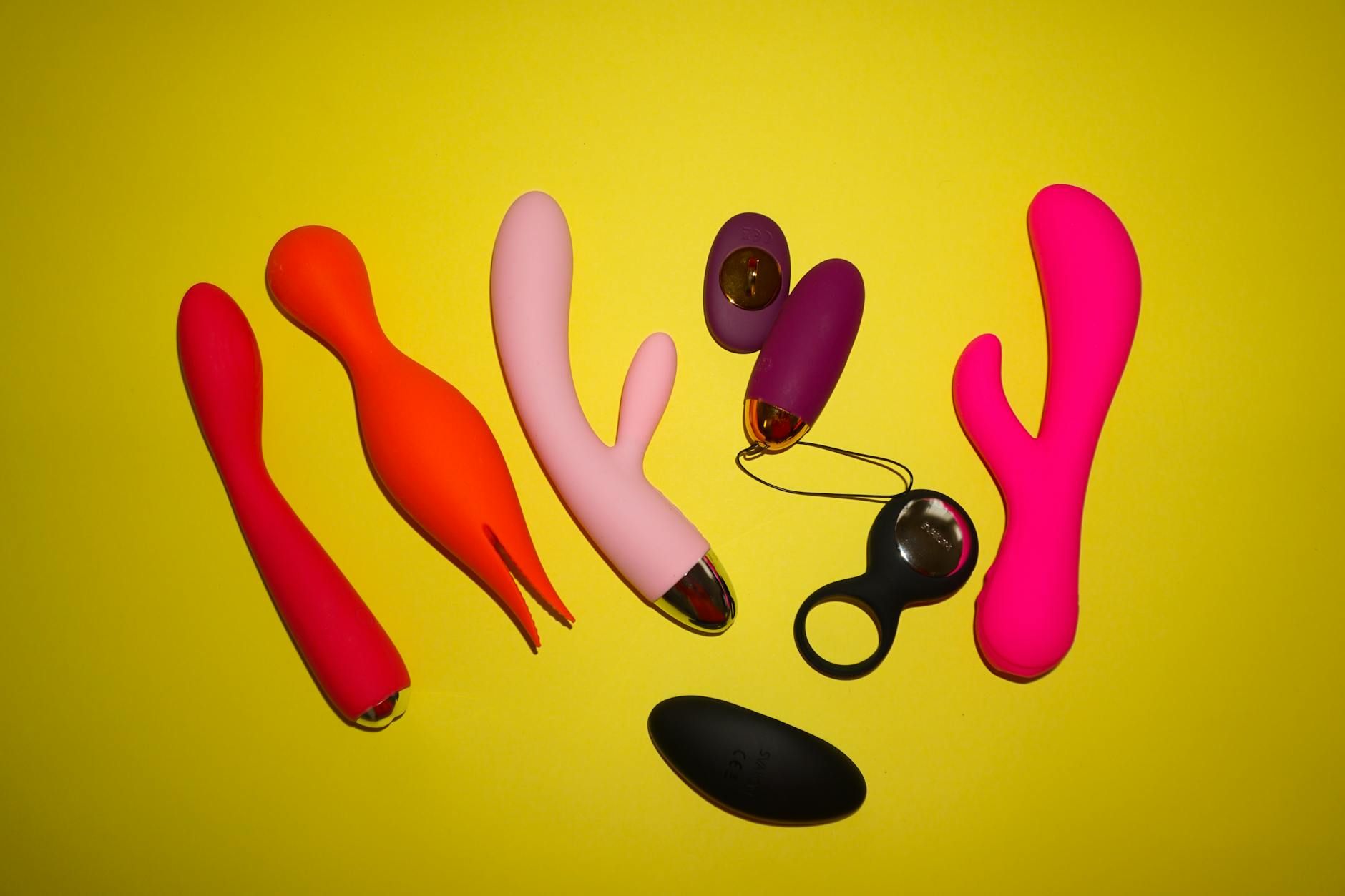
This is where a lemon clitoral vibrator becomes unexpectedly useful. Not because vibration is magic, but because the right stimulation, applied while you're calm and intentional, can retrain your nervous system to remember what pleasure feels like when you're not in crisis mode.
The stress-specific setup that actually works
Using a lemon vibrator when stress has tanked your libido is different from using it when you're already aroused. You're not chasing an orgasm. You're rebuilding a connection.
Start here:
Step 1: Stop trying to feel sexy. Seriously. Put away the idea that you need to arrive at pleasure. You're building a new pathway, not sprinting to the finish. Set aside 20 minutes with zero agenda.
Step 2: Warm your nervous system first. Before the vibrator touches you, spend five minutes on something that genuinely calms you. A hot shower. Three minutes of box breathing. A walk. Anything that makes your shoulders drop. Stress-locked bodies need permission to soften before they can feel pleasure.
Step 3: Start with the lowest setting. Most people make the mistake of using a lemon vibrator at medium or high intensity when they're stressed. Your nervous system is already in overdrive. Gentle, sustained stimulation tells your brain that this is safe and exploratory, not demanding.
Step 4: Focus on sensation, not outcome. Touch your inner thigh first. Notice the difference between vibration on clothed skin versus bare skin. Move slowly. This is reconnaissance, not performance. The goal is for your brain to clock this as pleasure, not as another task to complete.
Step 5: Stop before you feel frustrated. If after 10 minutes nothing's happening, stop. You're not failing. You're training your nervous system, and training takes repetition. Do this three times a week for two weeks before you expect any shift in arousal.
After week two, you'll likely notice that your body starts responding faster. That's your nervous system remembering the pathway between stimulation and pleasure when you're calm.
Why a lemon sucker beats other approaches when stress is the culprit
A lemon clitoral vibrator works better than manual stimulation or other toys when stress is the main problem because of how it engages sensation. The suction mechanism of a device like the Lem doesn't require your brain to coordinate the pressure and rhythm. It does that work for you. That matters because when you're stressed, decision fatigue is real. Your nervous system doesn't have bandwidth to think about "is this the right pressure, is this working, am I doing this right."
With a lemon vibrator's suction, your only job is to receive. Your brain can actually relax instead of manage. This passive pleasure, where you're not orchestrating anything, is exactly what a stress-locked nervous system needs.
Fingers require active thought. Partners require communication and synchronization. A vibrator set to a low pattern lets you just exist in sensation.
The three-phase progression when you're rebuilding from stress
Phase 1: Nervous system reset (weeks 1-2). Use patterns 1 and 2 on a lemon clitoral vibrator for five to ten minutes, three times weekly. This is not about orgasm. It's about teaching your body that pleasure exists even when your calendar is full. You're just reintroducing the sensation.
Phase 2: Bridging sensation (weeks 3-4). Start with 10 minutes at pattern 1, then move to pattern 3 if it feels good. You might notice your body responding a bit faster. Arousal might feel different than it did before stress took over, and that's okay. You're building new pathways, not recreating old ones.
Phase 3: Reconnection (weeks 5+). By this point, if you've been consistent, your nervous system has started to recognize the safety of pleasure again. You can start experimenting with longer sessions, higher patterns, or involving your partner. But only if you want to. The goal was never to perform. It was to remember that your body is capable of pleasure independent of your stress load.
What to do if your partner doesn't understand why this helps
This is where a lot of people get stuck. Your partner might interpret solo vibrator use as rejection, especially if libido has been low for months. It's not rejection. It's medicine.
Here's what works: tell them the truth. "My nervous system is stuck in stress mode. My body literally can't access arousal right now, even though I want to. I'm using this tool to reset that system. This isn't about you. It's about getting my biology back online so I can meet you with presence later."
A partner worth keeping will understand that rebuilding desire from stress sometimes means solo work first. If they're defensive, that's a different conversation, and it might be worth having with someone trained to help. That's where a marriage and family coach comes in.
Meanwhile, if you and your partner want to use a lemon vibrator together while you're rebuilding, talk about what you both need from the experience first. The worst thing you can do is layer performance pressure on top of existing stress.
When stress relief and libido rebuild should be separate conversations
Here's the nuance that most articles miss: sometimes low desire from stress isn't actually about your relationship or your body. It's about your actual life being unsustainable.
If you're using a lemon vibrator to rebuild arousal, but you're still working 60-hour weeks, sleeping five hours, and feeling like you're failing at everything, the vibrator will help temporarily. But you're not solving the root problem. You're Band-Aiding it.
A vibrator is a tool for reconnecting with pleasure. It's not a substitute for actually addressing the source of stress. If the stress is your job, set a boundary. If it's a relationship dynamic outside the bedroom, address it. If it's grief or anxiety that needs support, get help.
The Lem and other lemon clitoral vibrators are genuinely helpful for rebuilding arousal. But they work best alongside actual life changes, not instead of them. This is where a therapist or coach trained in relationship dynamics can help you separate what's about your body and what's about your circumstances.
The timeline is different for everyone, and that's normal
Some people rebuild arousal in three weeks. Others take three months. Stress doesn't leave your nervous system on a schedule, and neither does recovery.
Factors that change the timeline: How long you've been stressed (six months of stress takes longer to reset than three weeks). Whether you're still in the stressful situation. Whether you're sleeping. Whether your relationship has secondary stress built into it.
If you're using a lemon vibrator consistently and nothing's shifting after eight weeks, that's worth bringing to a professional. Not because you're broken, but because persistent stress-related desire loss sometimes needs more than a nervous system reset. Sometimes it needs medication, therapy, or a deeper relationship conversation.
But most of the time? Gentle, consistent exposure to pleasure while your nervous system calms down will rebuild arousal. Your body wants to want things again. It just needs time and safety to remember how.
FAQ: Rebuilding desire when stress is the culprit
Can a lemon vibrator really help if my libido is completely gone?
Yes, but with a caveat. A lemon clitoral vibrator can retrain your nervous system to recognize pleasure, which is the first step in rebuilding desire. But it works fastest when you're also addressing the stress itself. If your libido is completely flatlined and you're in chronic crisis mode, a vibrator alone won't fix it. You need both: the tool and the life change.
How often should I use a lemon vibrator if stress has killed my arousal?
Three times a week is the sweet spot for rebuilding. More than that and you might exhaust yourself. Less than that and your nervous system doesn't get enough repetition to form new pathways. Keep sessions to 15 minutes max in the first two weeks. As pleasure returns, sessions naturally get longer.
Does using a lemon vibrator solo make it harder to have sex with my partner?
No. This is a common fear, and it's unfounded. You're not replacing your partner with a toy. You're resetting your nervous system so you have capacity for both solo and partnered pleasure. Think of it as physical therapy for arousal, not infidelity. In fact, people who rebuild desire solo often find it easier to be present with a partner afterward because the pressure is off.
What if a lemon vibrator makes me feel worse, not better?
Stop. Feeling worse means your nervous system is interpreting this as another demand, not as pleasure. This usually happens when you're trying too hard, when you're not actually relaxed, or when there's secondary shame around using a vibrator. If using one feels bad, talk to a therapist before trying again. Sometimes the block isn't physical. Sometimes it's emotional.
Can antidepressants or anti-anxiety meds interact with using a lemon vibrator?
No. Medication doesn't interfere with vibrator use. But some medications do flatten arousal as a side effect. If you started meds and then lost desire, talk to your prescriber about whether your dose is too high or if a different medication might preserve libido. You can use a lemon clitoral vibrator regardless. Just know that if the flatness is medication-related, a vibrator alone might not fully restore arousal until the medication side effect is addressed.
Should I tell my partner that I'm using a lemon vibrator to rebuild arousal?
That depends on your relationship and your comfort level. Some couples find it helpful to be transparent. Others prefer privacy around solo pleasure. Neither is wrong. What matters is whether keeping it private creates resentment or lying. If this is something you want to keep to yourself, that's fine. If you'd like to tell your partner, frame it as what it is: a tool for rebuilding your own arousal, not a comment on your attraction to them.
Your nervous system can rebuild what stress took
Stress doesn't permanently damage your capacity for pleasure. It just mutes it temporarily. A lemon vibrator, used gently and consistently while you're calm, can help your nervous system remember that pleasure is possible. But it works fastest when you're also addressing the actual source of stress.
Your libido didn't disappear. It's waiting for your nervous system to feel safe again. Give it the time, the tool, and the support it needs to come back.
If you're struggling with stress, desire, and your relationship all at once, reach out. That's exactly what I help couples work through.