Here's the thing nobody talks about: you can want sex and hate the feeling of it at the same time.
It's weirdly common. You might intellectually know you want physical connection, your partner seems interested, the circumstances line up. But the moment you get close to intimacy, something goes flat. Not desire exactly. More like your brain and your body are running two different programs.
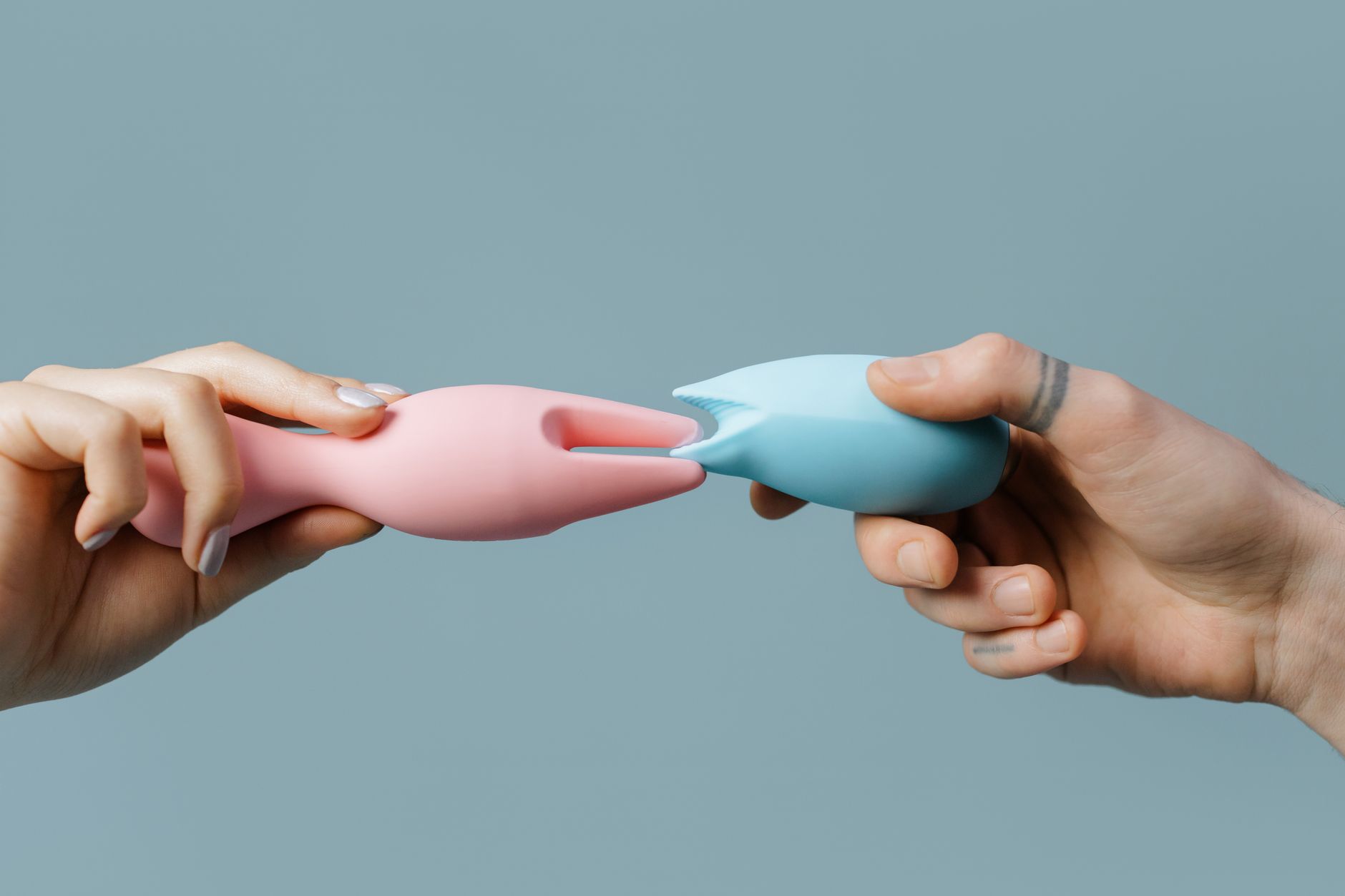
That disconnect is real, it's not a flaw, and it's fixable. Part of the fix is understanding why it happens. The other part is learning to use tools like a lemon clitoral vibrator specifically to rebuild the bridge between wanting and feeling.
Why desire and sensation split apart in the first place
There are a few culprits. Stress and burnout are massive. When you're running on fumes emotionally, your nervous system tightens. Your body literally stops receiving pleasure signals as efficiently. The receptors are there. The desire is there. But the wiring between them frays.
Then there's dissociation. This can happen after relationship rupture, during seasons of high anxiety, or sometimes after physical trauma. Your brain learns to protect you by dimming the signals from your body. That's a smart survival move in crisis mode. The problem is your brain doesn't always get the memo when the crisis passes.
Other times it's numbing. Depression, some medications, even chronic burnout can flatten sensation. You know what should feel good. But when it happens, it feels distant. Like you're watching yourself have sex instead of being in it.
Therapists call this depersonalization or derealization. I call it "being in the room but not in your body." Either way, it kills pleasure.
The role sensation plays in rebuilding desire
Here's something important: pleasure isn't just a feeling that happens to you. It's a skill you have to relearn if you've lost touch with it.
When desire and sensation disconnect, you often try to reconnect by forcing the mental part. You tell yourself you should want it. You schedule sex. You try to think yourself into it. That almost never works because your body wasn't included in the plan.
Instead, you have to go backward. Start with sensation. Build from there. That's where a lemon clitoral vibrator changes the game.
Unlike partnered sex, a vibrator lets you control every variable. Speed, pressure, duration, rhythm. You can start micro small. You can stop whenever you want. You can explore what actually feels good right now, in this moment, in this body. Not what should feel good. What does.
That permission is the first thread that reconnects desire to sensation.
Starting slow when your body feels like a stranger
If you're rebuilding, patience matters more than intensity. Here's a practical entry point.
Set aside 15 minutes with zero expectations. Not for orgasm. Not even necessarily for arousal. Just for noticing. Turn off your phone. Dim the lights if that helps. Get comfortable.
Start by touching your skin with your hands. Collarbone, inner wrist, behind your ears. Nothing sexual. Just noticing: what textures feel pleasant? Where do you register touch most clearly? This is embodiment 101.
After a couple of minutes, introduce the lemon vibrator. Start on the lowest setting. Spend time on your thighs, your hip bones, your inner arms. Let your body get used to the sensation without pressure to do anything with it.
When you're ready (and only when you're ready), move to the clitoris. Still low setting. Still no goal except noticing. What does this feel like? Is it too much? Just right? Annoying? All of those answers are data, not failure.
If you feel nothing, that's okay. Numbness doesn't mean broken. It means your nervous system is still in protection mode. Repeat this practice a few times before you expect sensation to return. It will.
Why the lemon vibrator works specifically for disconnection
A lemon clitoral vibrator uses suction and pulsation rather than direct vibration. That matters when your body is in protection mode.
Direct friction can feel overwhelming or even painful if you're numb or dissociated. It demands too much from your nervous system. Suction, on the other hand, creates a gentler pressure that wakes up your nerve endings without jarring them. It's like the difference between a sudden loud noise and gradually turning up the volume.
The pattern options also let you play. You're not stuck with one sensation. You can experiment with rhythm in a low-stakes way. "Does this pattern feel better than that one?" is a delightful question to ask your own body. It puts you back in charge.
The emotional piece that happens alongside the physical
Here's what I see in my practice: once sensation starts returning, something shifts emotionally too.
When you've been numb, using a vibrator isn't just about the physical sensation. It's a statement to yourself: "My pleasure matters. My body matters. I'm worth spending 15 minutes on just to feel good." That sounds small until you realize how many people are running on empty because nobody taught them that prioritizing their own sensation was allowed.
If you're rebuilding with a partner, this matters even more. The best time to involve them is not immediately. First, you reclaim your own pleasure. You learn what your body wants again. Then, when you have more to work with, you can invite them in.
Some couples find it's hot to watch. Some find it creates safety because they're not responsible for "fixing" your pleasure. Some just appreciate that you're not walking into intimacy as a blank slate anymore.
Moving from solo practice to shared experience
Once you've spent a few weeks reconnecting with the lemon vibrator on your own, the experience of using it with a partner often becomes richer.
You might let them hold it while you guide them. You might use it while they touch you in other ways. You might simply let them watch, which sounds passive but is actually deeply intimate because they're seeing you in your own pleasure, not performing for them.
The key is that you've already rebuilt the neural pathway from wanting to feeling. Now you're just expanding who's in the room with that experience.
When to involve a professional
If after four to six weeks of consistent practice sensation isn't returning, or if you notice that the disconnection gets worse, that's a signal to talk to a therapist or sex therapist. Sometimes dissociation goes deeper than solo tools can reach.
Similarly, if the disconnection is paired with depression, intrusive thoughts, or trauma responses, you deserve professional support alongside your self-exploration. A vibrator is a tool for embodiment, not a replacement for therapy.
But for most people who are experiencing garden-variety disconnection due to stress, burnout, or just losing touch over time, a lemon clitoral vibrator combined with this kind of intentional practice rewires pleasure pretty quickly. Your body's capacity for sensation didn't go anywhere. It just got quiet. You're teaching it to speak again.
FAQ: Desire and embodiment
What if I feel pressure to enjoy it?
Pressure is the enemy of reconnection. If you notice yourself performing enjoyment or forcing arousal, stop. This practice only works if there's zero expectation. You're collecting data about what your body actually feels, not what it should feel.
How long does it usually take to reconnect sensation to desire?
For most people, noticeable shifts happen within two to four weeks of consistent practice. Full reconnection can take eight to twelve weeks. Your nervous system is rewiring itself. That takes time.
Can I use a lemon vibrator if I'm on antidepressants or other medications?
Yes. The vibrator itself isn't affected by medication. That said, some medications do flatten sensation as a side effect. If you suspect that's happening, talk to your prescriber. Sometimes adjusting timing or dosage helps. The vibrator can work alongside that conversation.
What if my partner doesn't understand why I need to do this solo first?
This is worth a direct conversation. You might say: "I need a few weeks to reconnect with my own pleasure first. That's not about you. It's about me rebuilding trust in my own body. When I'm ready, I'll invite you in." Partners who care about your pleasure usually get this once they understand it's not rejection.
Is it normal to feel emotional during this practice?
Completely. You might feel sad, angry, grief, or suddenly tender. Your body has been offline. When it comes back online, feelings come with it. Let them happen. They're part of reconnection.
Can I use the lemon vibrator with a partner right away?
You can, but it often works better if you've spent time solo first. Solo practice teaches you what you actually want, which makes partnered use way more effective. That said, there's no rule. Do what feels right for your situation.
The bridge back to wholeness
When desire and sensation split, it feels like a permanent break. It's not. Your body hasn't forgotten how to feel good. Your nervous system has just learned to protect you by dimming the signals.
A lemon clitoral vibrator, used with intention and patience, helps you tell your nervous system it's safe to turn those signals back up. You're not forcing pleasure. You're inviting it back.
That invitation matters more than you might think. It's how you move from being a bystander in your own pleasure to being fully present in it again. And that presence changes everything.
If you're ready to rebuild that connection, start small and stay patient with yourself. Your body will meet you there.
Have questions about how to use a lemon clitoral vibrator as part of your own reconnection journey? Reach out to our team. We're here to help.