Here's what nobody tells you about postpartum pleasure
Pregnancy and birth reshape your body in ways that go beyond what you see in the mirror. Your pelvic floor has been stretched, your hormones are crashing, your attention is divided, and your partner might be tiptoeing around you like you're made of glass. The result? Orgasms that feel either impossible or completely different from what you remember.
The good news is that different doesn't mean worse. It means you need different tools, different timing, and honest information about what's actually happening in your body right now.
The postpartum pleasure gap
Let me be direct: most people don't start having orgasms again after birth because we've culturally decided that mothers aren't supposed to have sexual bodies. That's not biology talking. That's guilt and exhaustion and a partner who's unsure whether touch is welcome.
But here's what the clinical data shows. When people do return to pleasure after pregnancy (usually between 6-12 weeks postpartum, sometimes longer if you've had a tear or cesarean), their orgasms often feel more localized, sometimes more intense, and occasionally less consistent than before. This is temporary. Your nervous system is recalibrating. Your hormones are rebalancing. Your pelvic floor is rebuilding itself.
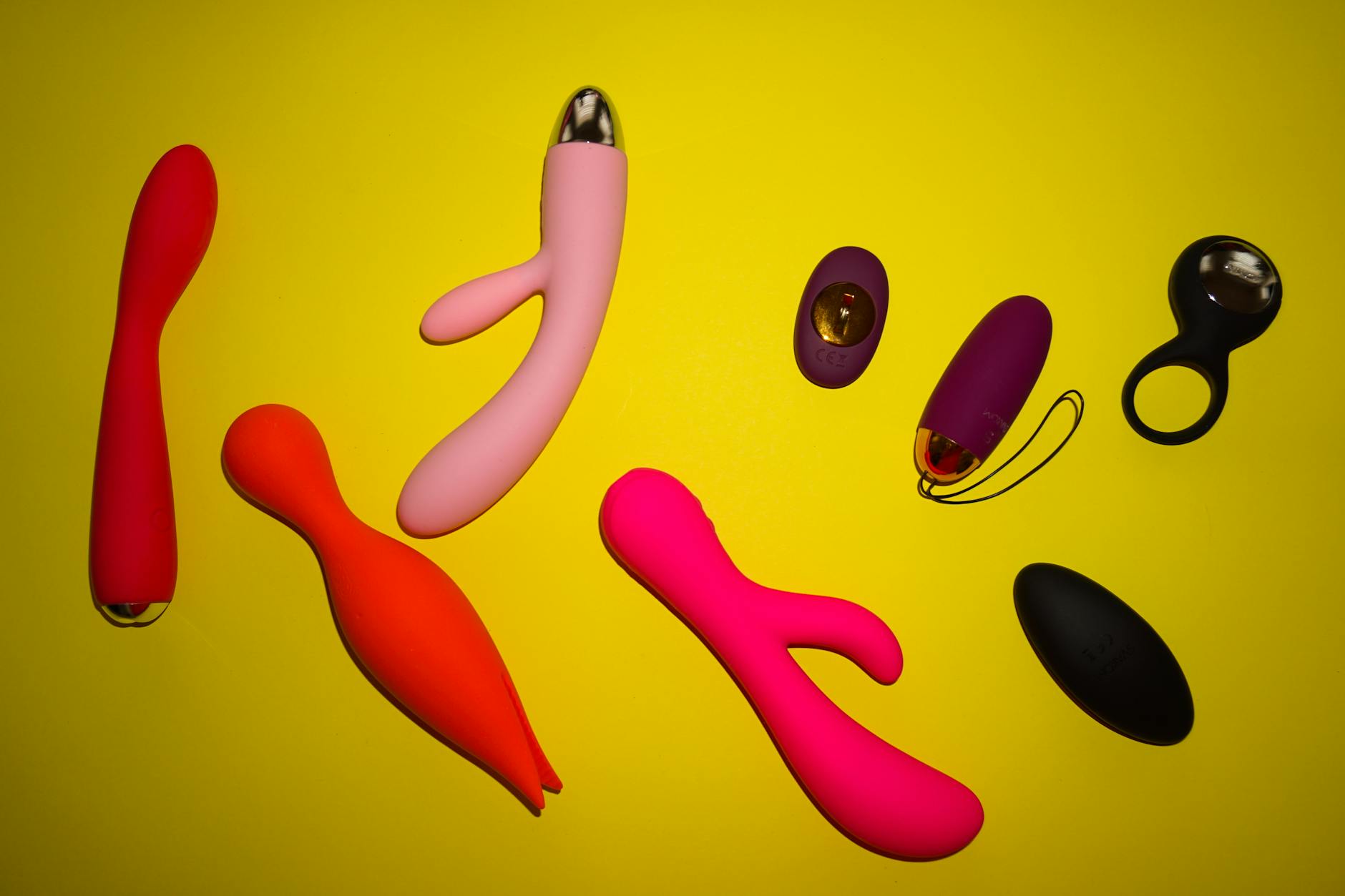
A lemon vibrator—specifically the clitoral suction design—works brilliantly during this phase because it doesn't require the same muscular intensity from your pelvic floor that a traditional vibrator does. Suction stimulates the nerves directly without demanding the same squeeze response. For a postpartum body that's still figuring out how to coordinate those muscles, that distinction matters.
When you're actually ready
Most doctors clear you for penetrative sex at 6 weeks. That doesn't mean you're ready for pleasure. Those are different conversations.
If you've had a vaginal tear or episiotomy, sutures need time to fully heal. If you've had a cesarean, the abdominal incision needs healing (yes, this affects pleasure because your core stability has changed). If you're breastfeeding, your hormones are suppressing estrogen, which means your tissues are thinner and more fragile. Lochia (postpartum bleeding) can last 4-6 weeks. All of this is information your body is sending you, not a sign that something's wrong.
I usually recommend waiting until lochia has stopped, any sutures have dissolved, and you've had at least one full cycle without pain before introducing a lemon vibrator or any external stimulation. That's often 8-12 weeks postpartum, sometimes longer. This isn't punishment. It's respecting your healing timeline.
Why the Lem works differently postpartum
Traditional vibrators rely on your pelvic floor muscles to feel good. They create friction and vibration against sensitive tissue that's already been through trauma. For a postpartum body, that can feel overwhelming or even painful.
A lemon clitoral vibrator uses suction instead. It creates a gentle pulse around the clitoral tissue rather than against it. For postpartum bodies, this matters because it doesn't demand the same muscular coordination. You're not trying to hold tension while also relaxing. Your pelvic floor can stay neutral while sensation builds.
Start on the lowest setting. Pattern one. Ten minutes maximum on your first attempt. Your nervous system has been through something massive. It needs gentle reintroduction to pleasure, not a masterclass.
The mental side is often the harder part
Honestly? The physical barrier to postpartum pleasure is usually smaller than the mental one.
You're exhausted. You've spent weeks having your body handled by medical professionals, your breasts accessed constantly if you're nursing, your sleep interrupted in ways that make you feel like you're losing your mind. The last thing your nervous system wants is more touch, even if that touch is supposed to feel good.
Then there's the identity shift. You're not just tired. You're grieving the person you were before. And you're also trying to bond with a tiny human who needs everything from you. Adding "sexual person" back into that mix can feel selfish or impossible or both.
I talk with my clients about reclaiming pleasure as an act of self-care, not performance. You're not using a lemon vibrator to be a better partner or to prove you're "back to normal." You're using it to remember that your body still produces pleasure. That you're still a whole person, not just a provider.
That framing shift changes everything.
The logistics that actually matter
Timing is your biggest ally right now.
Use a lemon vibrator when your partner is taking the baby for a walk, or when you've got 20 uninterrupted minutes after the baby sleeps. This isn't about secrecy. It's about removing the background anxiety that your baby is going to wake up in 90 seconds and derail everything.
Use lube. Even if you're not breastfeeding, postpartum tissues are thinner. A water-based lube makes the sensation richer and removes the friction element that can feel uncomfortable.
Start solo. Even if you eventually want this to be partnered, your first few experiences with a clitoral vibrator postpartum should be just you. You need to relearn what your body can feel without performing for an audience, even a loving one.
Keep sessions short. Ten to fifteen minutes. Your postpartum nervous system is already running on fumes. Pleasure should feel like a relief, not another obligation.
When your partner wants to participate
If you want to include your partner, have the conversation outside the bedroom first.
Tell them: "My body has changed. I'm still figuring out what feels good. I'd like to explore pleasure together, but I need you to understand that this is me reconnecting with myself, not me proving I'm ready to be sexual the way I was before."
Then show them how the lemon vibrator works. Let them see the different patterns. Explain that suction feels different from vibration, and that you might need to start on lower settings than they expect.
Your partner might worry that using a toy means they're not enough. That's their stuff to work through, not yours. But saying it out loud gives you both permission to be honest about what's actually happening: you're rebuilding intimacy, not proving anything.
Many couples find that using a clitoral vibrator together actually helps. It removes the pressure of "his" pleasure or "her" pleasure and makes it about sensation, exploration, and presence together. That's wildly different from pre-pregnancy sex, and that's exactly the point.
Recovery isn't linear
Here's the reality I need you to hold: postpartum recovery is not a straight line. Some days your pelvic floor will feel strong and sensation will be clear. Other days you'll try and feel nothing but soreness and exhaustion.
Both are normal. Both are temporary. Neither means something is wrong.
If you experience sharp pain, spotting after lovemaking, or sensation that feels wrong rather than just different, check in with your doctor. There's a difference between postpartum normal (mild soreness, uneven sensation, fatigue-related numbness) and postpartum concern (stabbing pain, infection signs, incision separation). Trust your body's signals.
Most people report that by 4-6 months postpartum, sensation stabilizes. By a year, most people say their orgasms feel familiar again, though often slightly different than before. Some people say better. That shift is real, and it's worth the patient work to get there.
The bigger picture
Postpartum pleasure isn't just about orgasms. It's about reclaiming the knowledge that your body is yours. That it can produce sensation and joy, not just milk and exhaustion. That you're allowed to want things for yourself, even when you're the primary caregiver for a tiny human.
Using a lemon clitoral vibrator is a small, practical way to practice that reclamation. It's not the entire path back to intimacy. But it's a clear, honest first step.
If you're struggling with this process—if pleasure feels impossible even months later, or if you and your partner are disconnecting—reach out to a relationship counselor who specializes in postpartum dynamics. This transition is big enough to deserve professional support.
Your pleasure matters. Your body matters. Even now. Especially now.
FAQ: Postpartum pleasure and lemon vibrators
How long after birth should I wait before using any vibrator?
Wait until lochia has completely stopped (usually 4-6 weeks), any sutures or tears have healed, and your doctor has cleared you for sexual activity. Then wait another 1-2 weeks before introducing a vibrator. That puts most people at 8-12 weeks postpartum. Listen to your body, not the calendar. If something feels wrong, you're not ready yet.
Can I use a lemon vibrator if I'm breastfeeding?
Yes, but understand that breastfeeding hormones suppress estrogen, which thins vaginal tissue. A lemon clitoral vibrator is gentler than many options because it uses suction instead of vibration against sensitive areas. Use lube, start on the lowest setting, and keep sessions short. Your hormones will rebalance once you stop nursing, and sensation will likely improve then.
What if I feel nothing when I use a lemon vibrator postpartum?
Numbing is normal postpartum. Your nervous system is recalibrating. Your pelvic floor is rebuilding muscle coordination. You might also be mentally checked out because you're exhausted and touched-out. Try again in a week. If numbness persists for months, talk to your doctor. Sometimes postpartum nerve damage needs professional attention, and that's okay.
Can my partner use a lemon vibrator on me if I'm postpartum?
Yes, but start solo first. You need to know what your own body feels like before adding another person's energy into the equation. Once you've explored it alone and feel comfortable, your partner can learn how to use it with you. Communication is everything. Tell them the patterns you like, the pressure that feels good, when to pause.
What if orgasms feel different or weaker postpartum?
This is common and usually temporary. Your pelvic floor muscles are being rebuilt. Your hormone levels are chaotic. Your nervous system is overwhelmed. Sensation often stabilizes by 4-6 months postpartum, though it may feel different than before. That difference isn't permanent damage. It's a shift. Some people report stronger orgasms once their body settles. Some report slightly different sensations. All of this is normal.
Is it safe to use a lemon vibrator if I had a cesarean section?
Yes, but wait longer before using external stimulation. Your abdominal incision needs time to heal, and this affects your core stability, which affects pleasure. Wait until at least 12 weeks postpartum, until the incision is fully healed, and until you can engage your core without pain. When you do start, go slowly. Your pelvic floor and abdominal muscles are still coordinating with each other again.
Final thought
Postpartum pleasure isn't a luxury. It's a signal that you're returning to yourself. A lemon clitoral vibrator is just a tool. But it's a tool that respects your postpartum body—the tissues that are healing, the nervous system that's recalibrating, the person underneath the role of parent who deserves to feel good.
Start small. Go slow. Be patient with yourself. And if you need support navigating this transition with your partner, don't hesitate to reach out at /contact.