Let's be real about what the pill actually does to your body
Hormonal birth control doesn't just prevent pregnancy. It systematically alters how your nervous system registers pleasure. When you've been on it for years, that becomes your baseline. So when you quit, your body doesn't snap back to some previous version of itself. It changes into something unfamiliar. Most people call this "adjustment." Honestly? It's more like waking up.
The sensation changes are real, measurable, and completely normal. So is the disorientation that comes with them.
How hormonal contraception affects clitoral sensitivity
Hormonal birth control suppresses natural testosterone and estrogen cycles. Both of these hormones influence nerve density in clitoral tissue, blood flow to the area, and how quickly arousal builds. When you're on the pill, patch, or ring, your clitoris is operating under a different chemical environment than it would naturally.
Three specific shifts happen:
Nerve sensitivity decreases. Testosterone contributes to clitoral nerve sensitivity. Suppress testosterone for years, and those nerves become less reactive. You might describe this as numbness or flatness. It's not imagination.
Arousal takes longer. Estrogen helps regulate neurotransmitters involved in desire and arousal. Synthetic hormones don't replicate this function exactly. Many people on hormonal birth control report needing longer warm-up time, more direct stimulation, or both.
Orgasms change shape. Some people find them shallower on the pill. Others report needing stronger, more sustained stimulation. This isn't failure. It's just a different system operating.
What happens the first three months after you stop
Your body doesn't flip a switch. It gradually recalibrates. Here's the actual timeline most people experience.
Weeks 1-2: Hormones are still circulating in your system, so you probably won't notice much. You might feel slightly more emotional or experience bloating, but clitoral sensation stays roughly the same.
Weeks 3-6: Natural hormone production starts ramping up. Some people report the first real shift here. Sensation might feel heightened, almost hypersensitive. This can be surprising, uncomfortable, or genuinely pleasurable depending on your body. If it feels overwhelming, that's important data. We'll come back to that.
Weeks 7-12: By month three, most people have stabilized into their new normal. Arousal typically builds faster. Orgasms often feel more intense or more varied. Clitoral sensitivity settles somewhere between hypersensitive and baseline.
That said: everyone's timeline is different. Some people notice change in week two. Others take six months. Stress, sleep, relationship status, and whether you're tracking ovulation all influence how fast you perceive the shift.
The unexpected part nobody mentions
You might find that sensation feels too intense at first. Your clitoris has been operating in a muted state for years. When real testosterone and estrogen flood back in, the sensitivity can feel almost aggressive. Direct touch might sting or feel raw. What felt pleasurable on the pill might feel painful off it.
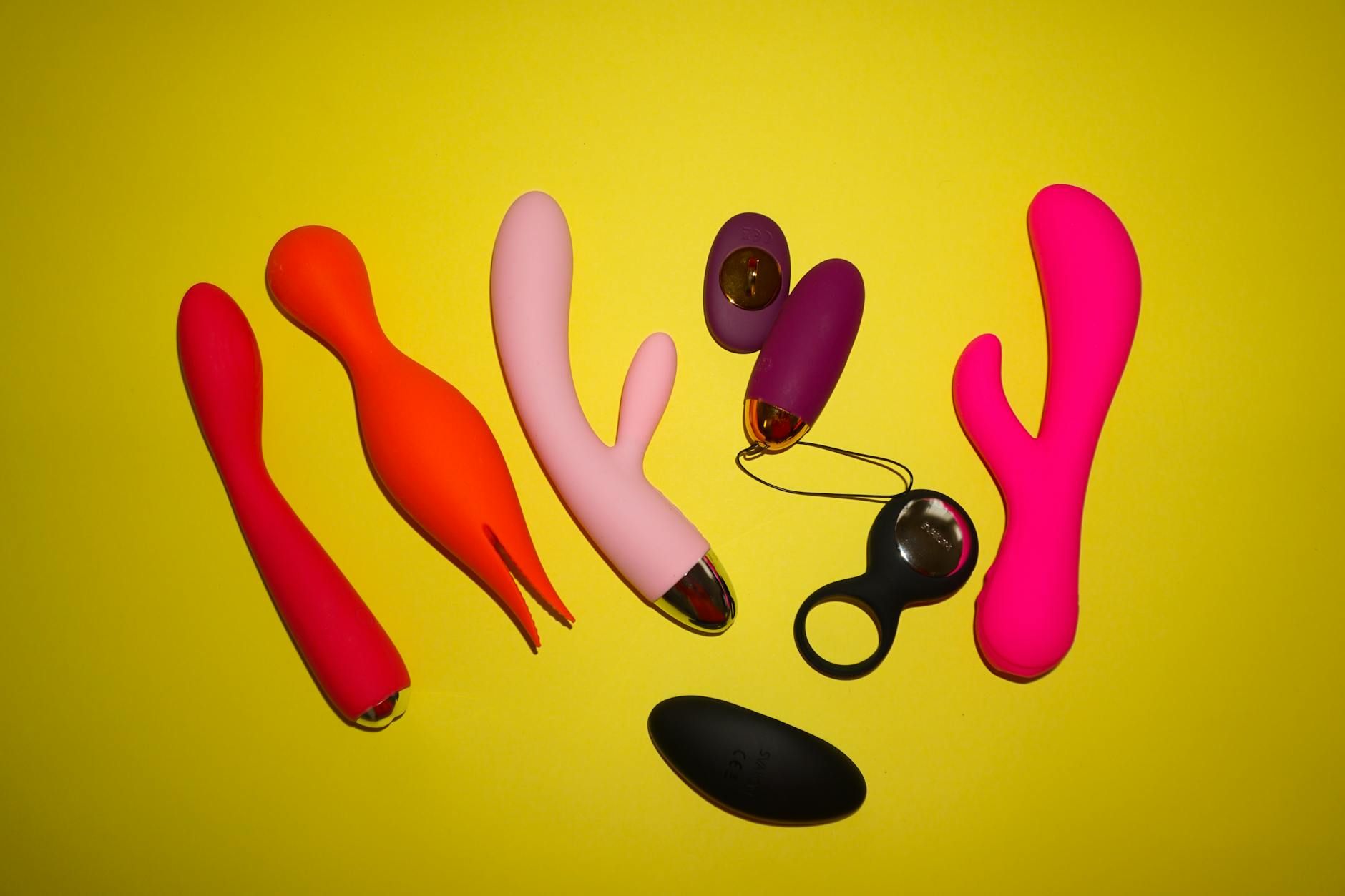
This is temporary. Give your nervous system four to eight weeks to recalibrate. In the meantime, indirect stimulation helps. Air-suction clitoral vibrators like the Lem work beautifully here because they stimulate without direct pressure. You get the benefit of sensation and reconnection without overwhelming newly-sensitized tissue.

Photo by cottonbro studio on Pexels
How to reconnect with your clitoris during the transition
Stop thinking of this as recovery. It's exploration. Your body is new to you, and you need to learn it again.
Start with non-vibrating touch. Spend a week or two with your hands only. Use water-based lubricant. Explore pressure levels, speed, and patterns without expecting anything in particular. This is data gathering, not performance.
Introduce gentle vibration slowly. When you're ready to bring in a toy, start at the lowest setting. A clitoral vibrator with multiple patterns and speeds, like a lemon vibrator, lets you dial in exactly what feels good rather than forcing yourself to adapt to fixed intensity.
Pay attention to patterns that feel different. You might discover you prefer steady vibration over pulsing, or vice versa. You might find that slower feels better than faster. These aren't signs you're broken. They're signs your body is telling you what it actually wants, separate from what the pill told you to expect.
Notice your arousal timeline. How long does it take to feel turned on now? Is it faster, slower, or about the same? Communicate this to your partner if you have one. Understanding your new arousal pattern helps everyone involved.
Desire and libido aren't the same as clitoral sensitivity
Here's where it gets nuanced. Hormonal birth control can suppress both sensation and desire. When you quit, they don't always return at the same speed.
Your clitoris might wake up completely. Your overall desire might still feel muted for another month or two. This happens because desire involves different brain chemistry than local sensation. Dopamine, serotonin, and cortisol all influence desire. Hormonal shifts affect them all differently.
If you quit the pill expecting an immediate libido surge and instead get increased clitoral sensitivity with still-quiet desire, don't panic. Give it time. If three months pass and desire hasn't budged, talk to your doctor. Sometimes the answer is simple. Stress, sleep, or relationship stuff might be more of a factor than hormones.
When to see someone
If clitoral pain appears during the transition, don't wait it out. Vulvodynia and genital pain conditions can emerge or worsen after hormonal changes. A gynecologist can rule out infection or tissue damage in a single visit.
If sensitivity remains completely absent after four months, mention it to your doctor. Some people's bodies take longer to recalibrate. Some experience genuine nerve damage from prolonged hormonal suppression (rare, but it happens). Either way, you deserve a professional opinion.
If arousal-building improves but orgasm becomes harder or impossible, that's worth exploring too. It might be psychological, it might be physical. Either way, it's fixable with the right support.
The role of anticipation and expectation
Honestly though? Much of the struggle during this transition is mental. You've been told for years that your body was broken or needed fixing. The pill reinforced that narrative. When you quit, you're essentially relearning trust in your own body's signals.
That takes time. Your clitoris doesn't need to be perfect. It needs to be yours. And that usually means sitting with some awkwardness while you figure out what pleasure actually feels like when it's not filtered through synthetic hormones.
Moving forward with reconnection
The window after stopping hormonal birth control is actually ideal for exploring what your body genuinely prefers in lemon clitoral vibrators and other tools. You have real data about sensitivity and arousal for the first time in years. Use it. Pay attention to what feels good without judgment. If you want to explore with a partner, communication becomes everything. "My body feels different and I'm learning what works" is a complete sentence.
Your pleasure matters. Clitoral sensitivity shifting isn't a bug. It's your body finally speaking in its own voice again.
People also ask
How long does it take for clitoral sensitivity to return after stopping birth control?
Most people notice noticeable changes within four to twelve weeks. Peak sensitivity usually stabilizes around the three-month mark. However, some people experience shifts as early as week two, while others take six months to feel fully recalibrated. The timeline depends on which birth control you used, how long you were on it, stress levels, sleep, and overall health.
Can hormonal birth control permanently damage clitoral sensitivity?
No, not permanently. Clitoral nerve function rebounds once your natural hormones return. That said, if you spent a decade on hormonal contraception, your nervous system got used to operating under those chemical conditions. Reconnecting with baseline sensation takes time and patience, but it always comes back.
Why does my clitoris feel more sensitive now but my desire is still low?
Sensation and desire are controlled by different biological systems. Clitoral sensitivity responds quickly to hormone shifts. Desire involves dopamine, serotonin, stress hormones, and psychological factors. These take longer to recalibrate. If low desire persists beyond three months, talk to your doctor or a therapist. It might be hormonal, or it might be something else entirely.
Are lemon clitoral vibrators better than other toys during the transition?
Clitoral suction vibrators like the Lem use air-pulse technology rather than direct vibration, which means you can control stimulation intensity more precisely. For newly-sensitized tissue, this offers gentler reconnection than traditional vibrators. But the best toy is whatever feels good to your body right now. Experiment and trust your instincts.
Should I tell my partner my clitoral sensitivity has changed?
Absolutely. Whether you're exploring solo or partnered, communication helps. You might say something like "My body is shifting after stopping the pill and I'm learning what feels good. Can we slow down and explore together?" Most partners appreciate the honesty. It takes pressure off and makes the experience collaborative instead of performance-based.
What if my clitoris still feels numb after six months?
Talk to your doctor. Prolonged numbness can indicate thyroid issues, vitamin deficiencies, nerve damage, or other conditions worth investigating. It could also be psychological, especially if you had complicated experiences with the pill or sexuality more broadly. A therapist who specializes in sexual health can help you sort through that.
The transition off hormonal birth control isn't just physical. It's a reckoning with what your body actually wants when it's not being chemically managed. That's profound and sometimes uncomfortable. But it's also where real pleasure begins. Your clitoris is ready. Give yourself permission to get to know it all over again.