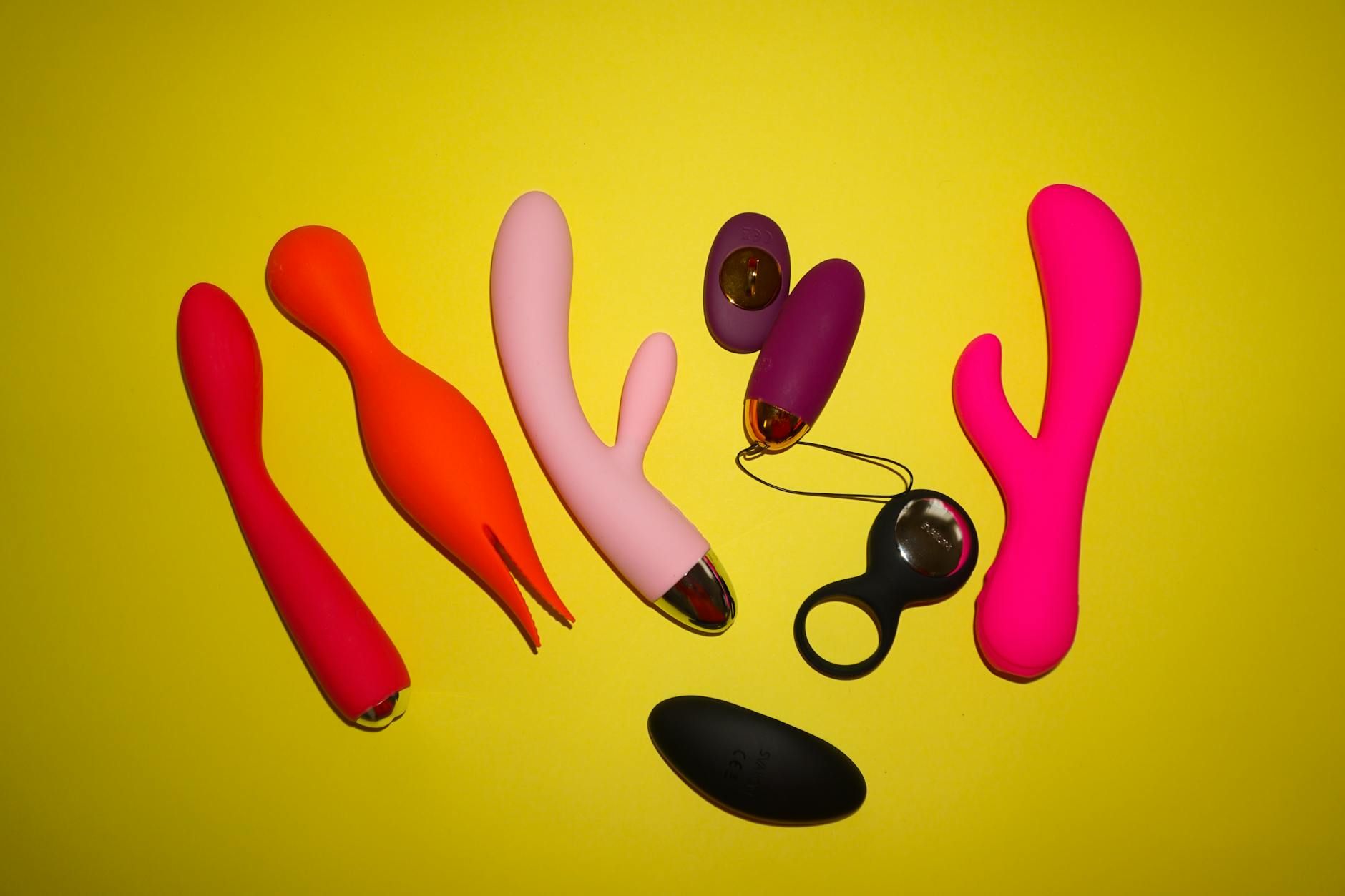
Best Lemon Vibrator for Sensitive Skin: Allergy-Friendly Clitoral Toys
Let's be real. If you have sensitive skin, you've probably spent enough time managing what touches your body. The last thing you want is to find a toy that actually feels good, only to break out in a rash three days later.
The good news? Lemon vibrators and other clitoral toys can absolutely work for reactive skin. You just need to know what materials are safe, which brands actually deliver on their promises, and what to test before committing to pleasure.
Why sensitive skin matters with vibrators
Your vulva has thinner, more permeable skin than most of your body. It's also a mucous membrane, which means it absorbs and reacts to things differently than your arm or face would. Add in the fact that many mainstream toys are made with porous materials that trap bacteria and chemical residues, and you've got a recipe for irritation.
The materials most vibrators are made from fall into three buckets: porous (bad for sensitive skin), semi-porous (hit or miss), and non-porous (your safest bet). Within those categories, there are allergens hiding in plain sight: phthalates, latex, nickel in metal components, and adhesives that leach chemicals over time.
Here's the twist. The toys that are most likely to irritate sensitive skin are often the cheapest and most widely available. Which means buying something expensive doesn't guarantee safety, but buying something because it's affordable almost guarantees problems.
The safest materials for sensitive skin
If you have reactive skin, stick to this hierarchy.
Medical-grade silicone. This is your gold standard. Medical-grade silicone is non-porous, hypoallergenic, and doesn't leach chemicals even with body heat or lubrication. It's also dishwasher-safe and lasts forever. The catch? It costs more upfront. But when a lemon vibrator lasts five years instead of five months, the math works out.
Glass or stainless steel. Completely inert, impossible to react to, and easy to clean. Glass is smooth and cool to the touch. Stainless steel is durable and ideal if you're worried about temperature-sensitive reactions. Neither material is porous. Both are safe for any skin type, including the most reactive.
Avoid completely. TPE (thermoplastic elastomer), PVC, jelly rubber, and anything labeled "cyber skin." These materials are porous, often contain phthalates (chemicals that soften plastic), and degrade over time. They're cheap to make, which is why you see them everywhere. They're also a direct ticket to irritation if you have sensitive skin.
Check the fine print. Some manufacturers claim "phthalate-free" TPE. This is better but not ideal. TPE is still porous. Even phthalate-free versions can harbour bacteria and sensitizing compounds.
Why your favorite lemon vibrator might be causing problems
Irritation from a clitoral vibrator usually shows up as redness, itching, burning, or a rash that appears within hours to a few days of use. But the cause isn't always the material itself.
Off-gassing. New silicone toys sometimes smell plasticky or chemical-y when you first open them. That smell is volatile organic compounds (VOCs) evaporating from the manufacturing process. This usually stops after a few washes and air-dries in the sun, but for sensitive skin, it can trigger reactions immediately.
Lube incompatibility. The toy material isn't the problem. The lube is. Silicone lubes can degrade silicone toys, which creates micro-tears that trap bacteria. Glycerin-based lubes can feed yeast infections. For sensitive skin, water-based lubes are safest, but not all water-based lubes are created equal. Propylene glycol (a common humectant in cheaper lubes) irritates some people's skin. Read the ingredient list.
Residual manufacturing residue. Even medical-grade toys can have factory dust or residue from the molding process. Always wash a new vibrator thoroughly with warm soapy water before use, and let it air-dry completely.
Bacterial colonization. If you've been using the same toy for months without deep cleaning it, bacteria have probably set up camp. Silicone holds bacteria differently than porous materials, but it's not immune. Use a toy cleaner or boil toys in water for five minutes once a week if you use them frequently.
How to test a new lemon vibrator before full use
Don't jump straight into penetration or direct clitoral contact. Here's a safer approach.
Step one. Wash the toy with warm water and fragrance-free soap. Let it air-dry for at least an hour.
Step two. Do a patch test on less sensitive skin first (inner wrist or inner thigh). Apply the toy to the skin without vibration for five minutes. Wait 24 hours. If there's no reaction, move to step three.
Step three. Apply a tiny amount of your chosen lube to the toy and test on the same patch area again. Leave it for 10 minutes. Wait another 24 hours. Still clear? Now you can try it where it matters.
Step four. First full use should be brief (five minutes or less) with lots of your water-based lube. Your vulva might feel slightly tender from novelty alone. That's normal. Burning, stinging, or itching that persists afterward is not.
If you have a history of severe allergies or reactive skin, consider doing a patch test before any new product touches your vulva, even if it's the same brand you've used before. Formulations change. Batches vary.
Material comparison for common clitoral vibrator types
Suction-style vibrators (like the Lem) typically use medical-grade silicone for the stimulating head and are often engineered with hypoallergenic materials throughout. The seal-and-release mechanism is the safest stimulation method for sensitive skin because it distributes pressure evenly and avoids the intense friction that irritates reactive vulvas.
Wand vibrators come in silicone or stainless steel heads. Silicone wands are comfortable and flexible. Steel wands are firmer and easier to keep clean. Both are safe for sensitive skin if the silicone is medical-grade.
Bullet vibrators made from silicone are fine, but many are still manufactured from porous materials. Check the product specs or reach out to the manufacturer directly. If they won't tell you the material, it's probably not medical-grade.
App-controlled or remote vibrators sometimes have plastic shells around the electronics. Make sure the part that touches your body is silicone or steel, not plastic.
What to do if a vibrator irritates your skin
If you've already had a reaction, don't panic. Most vibrator-related irritation clears up within a few days of stopping use.
Rinse the area with cool water (not hot, which worsens irritation). Skip lube for a few days. Wear breathable cotton underwear. If there's significant redness or the irritation lasts more than three days, see a healthcare provider. It's possible the toy itself is fine, but a yeast infection or bacterial imbalance took the opportunity to move in.
Once the irritation has cleared, you have two choices. Switch to a different toy (preferably medical-grade silicone or steel), or try the same toy again with a different lube. Sometimes the material is blameless and a simpler lube fixes everything.
FAQ
What's the difference between medical-grade and regular silicone in clitoral vibrators?
Medical-grade silicone is manufactured to pharmaceutical standards, which means stricter quality control, removal of volatile compounds, and testing for biocompatibility. Regular silicone used in some toys is less refined and often contains plasticizers or residual manufacturing chemicals. For sensitive skin, medical-grade is worth the price difference. Check product specifications or ask the manufacturer directly.
Can I use a silicone vibrator if I have a latex allergy?
Yes. Silicone is entirely latex-free. Glass and stainless steel toys are also safe. Just make sure that any packaging, caps, or accessories aren't latex. Some toy sets include latex storage bags. Get those out of your life if you have a latex allergy.
Will boiling my lemon vibrator make it safer for sensitive skin?
Boiling kills bacteria, which is helpful for overall hygiene. But it doesn't remove chemical residues or off-gassing compounds from manufacturing. Boiling can actually accelerate off-gassing in some silicone toys. For regular cleaning, warm soapy water or a toy cleaner designed for silicone is sufficient. Save boiling for weekly deep cleaning if you use the toy frequently.
Is it safe to use a vibrator if my skin is currently irritated?
No. If your vulva is red, inflamed, or actively itchy from anything (including a yeast infection), give it a break. Wait until the irritation has completely resolved. Then start with a fresh, clean toy and do the patch test again. Vibrating already-irritated tissue makes inflammation worse and can delay healing.
Are expensive vibrators always better for sensitive skin?
Not necessarily. Price correlates with durability, design quality, and material sourcing, but a $50 medical-grade silicone toy from a reputable brand is safer for sensitive skin than a $150 toy made from TPE. Focus on material safety first. Brand reputation and reviews second. Price third.
What's the best lube to use with a lemon vibrator if I have sensitive skin?
Water-based lubes without glycerin, propylene glycol, or parabens are safest. Look for ingredient lists that include water, cellulose (thickener), and maybe sodium citrate (preservative). Aloe vera-based lubes are gentle. Hyaluronic acid lubes are slick and moisturizing. Test any new lube on a patch of less sensitive skin first, the same way you'd test the toy itself.
Moving forward with confidence
Having sensitive skin doesn't mean pleasure is off the table. It means you need to be intentional about the tools you choose and how you introduce them to your body. Medical-grade silicone lemon vibrators, glass toys, and stainless steel options exist specifically because sensitive-skin folks deserve access to quality pleasure without the irritation.
Take your time with testing. Read ingredient lists. Ask manufacturers questions. Your vulva will thank you, and you'll find a tool that actually works for your body instead of against it.
Ready to explore? Start with the buying guide for a curated look at safe, high-quality options, or reach out if you have specific sensitivities to discuss before choosing.