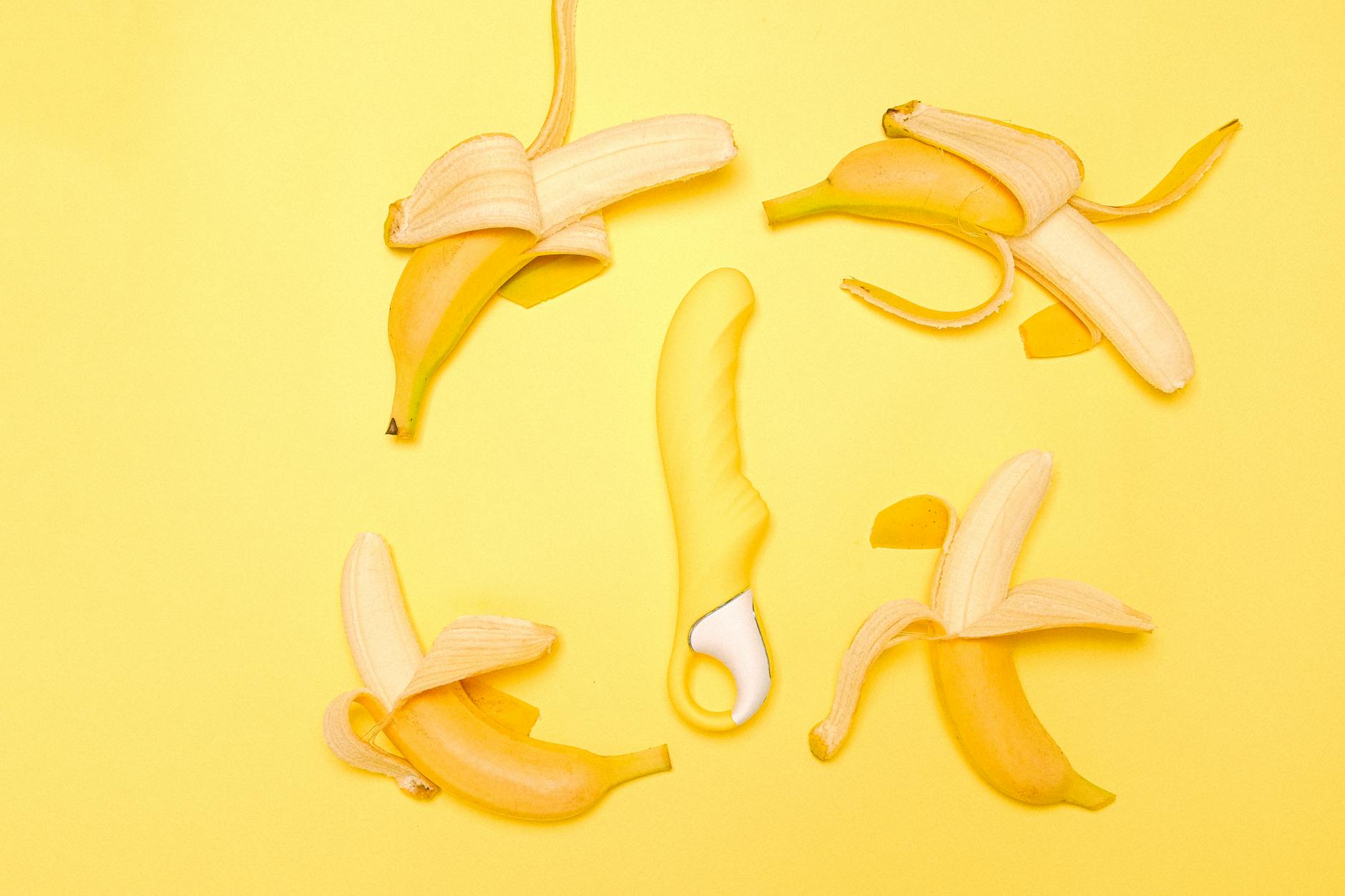
Your clitoris is more sensitive now. That's not a glitch.
Perimenopause rewires your clitoral sensitivity in ways nobody warns you about. One month it feels normal. The next, direct stimulation feels raw or too intense. Then it swings back to needing more pressure than usual. If you're experiencing this, you're not broken. Your hormones are just taking your nervous system on a very confusing tour.
The good news: a well-chosen lemon vibrator or lemon clitoral vibrator can actually work with these fluctuations instead of against them. You just need to understand what's happening in your body first.
Why perimenopause changes clitoral sensation
Estrogen doesn't just vanish overnight. During perimenopause, it swings wildly from high to low over weeks or months. Each swing affects blood flow to your clitoris, nerve sensitivity, and tissue thickness. Higher estrogen days? You might crave deeper, broader stimulation. Lower estrogen days? Even light touch can feel overwhelming.
Your clitoral nerve density doesn't change. What shifts is the inflammatory environment around those nerves. Lower estrogen increases neuroinflammation, which can make nerves more reactive. Add stress, sleep deprivation, or hormonal contraceptives, and that reactivity amplifies.
Here's the thing: most vibrators are designed for a single type of sensation. They buzz at one frequency or provide one intensity level. Your clitoris during perimenopause needs flexibility.
How lemon vibrators handle changing sensitivity better
Unlike traditional vibrators with buzz-only stimulation, a quality lemon sucker or lemon clitoral vibrator uses air-pulse technology. This creates suction and release cycles that feel gentler on raw nerve endings while still building intense sensation. The mechanism is fundamentally different from vibration.
Why this matters: when your clitoris is hypersensitive, direct vibration can feel like a jackhammer on a nerve. Suction mimics the stimulation patterns your body would naturally experience during arousal. It's less invasive, more rhythmic, and you can control the intensity by changing the strength of the seal.
If you've tried a lemon vibrator before and it felt okay but not transformative, the issue might have been intensity settings or technique, not the device itself.
What to look for in a lemon vibrator during perimenopause
Pattern variety over raw power. The best lemon clitoral vibrator for sensitive tissue has at least 8-10 different patterns or intensity levels. This lets you adjust throughout your cycle without switching devices. One pattern might feel perfect on day 14 of your cycle and unbearable on day 21.
Graduated intensity ramp. Some devices start at full blast. Others let you begin at level 1 and build gradually. For perimenopause sensitivity, the second option is non-negotiable. You should never feel pinned down by intensity on the lowest setting.
Seal control and flexibility. The rim of the lemon vibrator that creates the seal should be soft, not rigid. Rigid rims force maximum suction; flexible rims let you dial in exactly how much suction you want. You might discover that 60% suction with a slow pattern works better than 100% suction with any pattern.
Quiet operation. Noise isn't just about privacy. It's about your nervous system. If your clitoris is already overstimulated, the sound of a loud device can trigger tension before the physical stimulus even registers. Quieter devices allow your body to relax into sensation.
Techniques to use with your lemon vibrator during sensitivity fluctuations
Pattern rotation is your secret weapon. Start on the gentlest pattern (usually waves or pulses) at the lowest intensity. Spend 3-5 minutes there while your clitoris wakes up. Then shift to the next pattern up. This gradual escalation prevents the shock-and-awe that can happen if you go from off to full blast.
Partial sealing is another game-changer. You don't have to cover your entire clitoris. Many people find that positioning the lemon vibrator so it covers just the clitoral hood (the skin above the glans) provides plenty of sensation without the rawness of direct contact. Experiment with placement.
Take breaks mid-session. If you're 10 minutes in and your clitoris starts to feel numb or tingly in a bad way, step back for 2-3 minutes. Rehydrate. Change patterns. Your nervous system has a threshold, and perimenopause can lower it temporarily.
When hormonal fluctuation makes things painful
If every lemon vibrator or lemon sexual toy feels uncomfortable even at the lowest settings, that might signal vulvovaginal atrophy or genitourinary syndrome of menopause (GSM), which worsens during perimenopause. This is treatable. A gynecologist can prescribe topical estrogen, which restores tissue health in 2-4 weeks. Once you're on it, your clitoral sensitivity often normalizes dramatically.
Don't assume the vibrator is wrong if the pain is consistent. The issue is usually upstream.
How to ease back in if vibrators have felt uncomfortable
Start with the lowest intensity pattern on your lemon clitoral vibrator. Apply generous water-based lubricant. The lube isn't about friction. It's about creating a barrier that lets the suction work without direct pressure on sensitive tissue.
Limit your first session to 5-10 minutes. Your clitoris might surprise you with sensitivity even at ultra-low levels during perimenopause. Short sessions let you build a tolerance pattern without triggering pain or numbness.
If you own an older vibrator, consider your body type and what design actually fits you. Sometimes perimenopause sensitivity is a sign that you need a different tool altogether, not that vibrators are off the table.
The psychological layer (this matters more than you think)
Perimenopause brings real grief alongside the physical changes. Your body is shifting. Pleasure pathways you've relied on for decades feel unreliable. That emotional component often gets labeled as "low desire" when it's actually anticipatory anxiety about what will or won't work.
Choosing a tool like a lemon vibrator that's explicitly designed to adapt to sensitivity changes isn't just practical. It's permission to say: my body is different right now, and that's information, not a failure.
When you can trust your device to adjust with you, a lot of the mental load lifts. You're not fighting your body. You're working with it.
People also ask
Can you use a lemon vibrator if your clitoris feels numb during perimenopause?
Clitoral numbness during perimenopause usually stems from either low blood flow (hormonal) or pelvic floor tension (anxiety or muscular). A lemon clitoral vibrator can help with both. The suction mechanism increases blood flow to the area, and the gentle rhythm can help the pelvic floor relax. Start at the very lowest intensity and try different patterns. If numbness persists across multiple patterns and sessions, mention it to your doctor. Sometimes topical hormone therapy or pelvic floor physical therapy is what actually unlocks sensation.
How often can you use a lemon sucker if you have sensitive tissue?
There's no hard rule. Listen to your body. Some people find that daily use at low intensities actually desensitizes them over time. Others benefit from it. The key is variation. If you use the same pattern at the same intensity every day, your nerve receptors adapt and stop responding as acutely. If you switch patterns, intensities, and techniques, daily use is often fine. Pay attention to whether you're feeling more or less responsive over a week or two.
What's the difference between a lemon vibrator and a traditional vibrator for sensitive clitorises?
Traditional vibrators rely on buzzz vibration, which is a continuous, rapid back-and-forth movement that stimulates nerves through frequency. Lemon vibrators and lemon clitoral vibrators use suction and release, which mimics natural arousal patterns. For people with perimenopause sensitivity, suction-based tools often feel more natural and less abrasive. They also tend to allow more nuanced control over intensity because you can adjust the seal. Try both if you can. Some people prefer buzz. Others swear by suction.
Is it normal for sensitivity to fluctuate throughout your perimenopause journey?
Completely normal. Some months you'll feel like your old self. Other months, your clitoris will feel like it's never encountered a vibrator before. This isn't random. It's tracking your estrogen levels. The fluctuation typically becomes more extreme as you move deeper into perimenopause, then stabilizes once you reach menopause. Track your patterns alongside your cycle if possible. You might notice your sensitive weeks align with your lowest estrogen phase.
Should you use lube with a lemon clitoral vibrator if you're already wet?
Yes. Even if you're naturally lubricated, additional lube reduces friction and lets the suction mechanism work more smoothly. Natural lubrication can be inconsistent during perimenopause anyway. Having lube on hand gives you control. Water-based is safest for silicone toys. Some people find that silicone-based lube feels richer, but it can degrade silicone vibrators over time, so stick with water-based.
What intensity level should you start at with a lemon vibrator during perimenopause?
Start at level 1 or the gentlest pattern available. Spend at least 5 minutes there. Many people skip this step and jump to level 3 or 4, then wonder why their clitoris feels raw afterward. Your body needs time to wake up, especially if estrogen is low that week. Let yourself build gradually. You can always go higher. You can't un-stimulate tissue that's already overwhelmed.
The bottom line
Perimenopause sensitivity isn't a barrier to pleasure. It's a signal that your body needs a different approach. A lemon vibrator designed with flexibility, soft seals, graduated intensity, and multiple patterns gives you the tools to adapt. Your clitoris hasn't abandoned you. It's asking you to pay attention and adjust.
If you're starting from scratch or rebuilding after months of avoiding vibrators because they felt uncomfortable, give yourself grace. Your nervous system has been through a lot. A quality tool that listens to your fluctuations can help you reconnect with sensation on your own terms.
If you have questions about which lemon clitoral vibrator might work best for your specific situation, reach out. We're here to help you find pleasure that actually works for your body, not the body you wish you had.